






A New Era of Overnight Travel
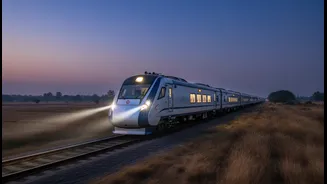
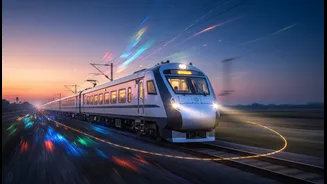
The Vande Bharat Express, which has already changed daytime intercity travel with its speed and modern amenities, is now venturing into overnight journeys. The sleeper version, designed for routes between 800 and 1,200 kilometres, offers a compelling
alternative to existing options like Rajdhani or Duronto expresses, and even budget airlines. The first services, launched in early 2026, have already connected major hubs, including the inaugural route between Howrah and Guwahati. These trains are not just an upgrade; they represent a fundamental shift in how Indians can approach long-distance travel, making once-distant cities accessible within a comfortable overnight schedule. With plans to manufacture hundreds of these trainsets, Indian Railways is betting big on this new format.
Speed and Comfort Redefined
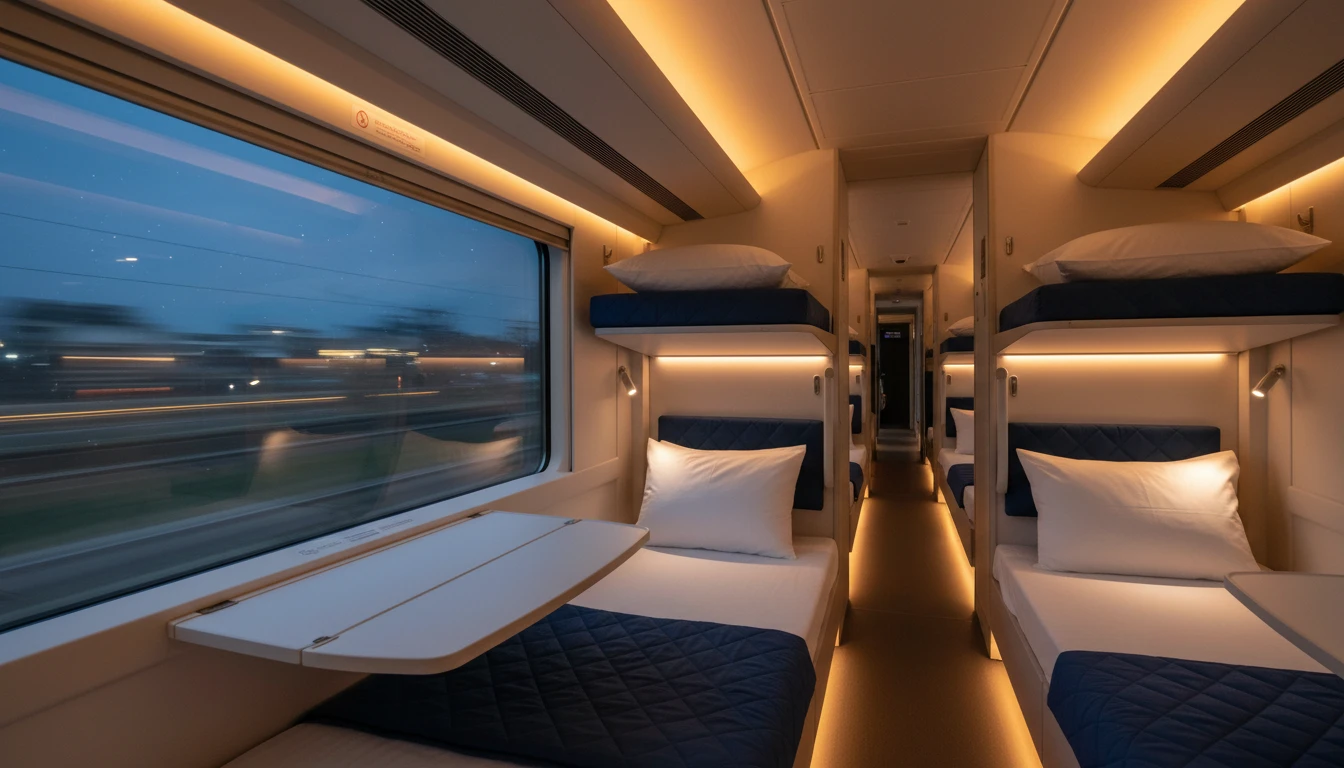
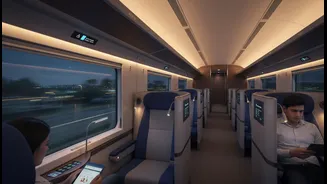
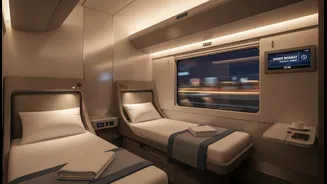
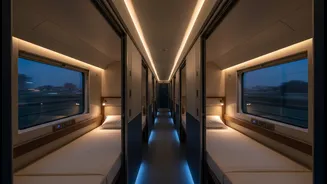
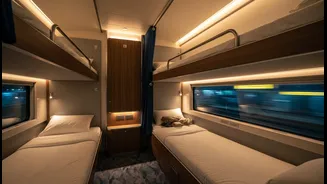
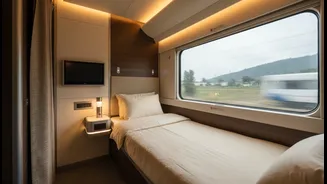
What truly sets the Vande Bharat sleeper apart is its combination of speed and passenger experience. Unlike traditional locomotive-hauled trains, these are self-propelled trainsets, allowing for rapid acceleration and deceleration—reaching 100 km/h in just over 50 seconds. With an operational speed of up to 160 kmph, these trains can significantly cut down journey times. Inside, the coaches are a world away from older sleeper classes. They feature ergonomically designed berths, ambient lighting, sensor-based water taps, bio-vacuum toilets, and GPS-based passenger information systems. The advanced suspension system ensures a smoother, quieter ride, reducing the fatigue associated with overnight train travel and creating an experience more akin to an airplane cabin than a conventional train.
Redrawing the Weekend Getaway Map
The biggest impact of this expansion will be on weekend tourism. Destinations that were previously too time-consuming to reach for a two-day trip are suddenly viable. A journey that once took 12-14 hours can be reduced by several hours, allowing travellers to leave on a Friday night and arrive fresh at their destination on Saturday morning. The recently launched service between Varanasi and Chheharta (near Amritsar) is a prime example, connecting pilgrimage, tourism, and business hubs in eastern Uttar Pradesh and Punjab. Imagine leaving Mumbai after work and waking up in Goa, or departing from Delhi and arriving in the foothills near Vaishno Devi with a full day ahead. This enhanced connectivity is expected to significantly boost footfall in tourist hotspots and emerging destinations alike.
The Economic Ripple Effect
The transformation isn't just for travellers; it's a potential boon for local economies. Increased accessibility brings more tourists, which directly translates to higher revenue for hotels, restaurants, local transport, and small businesses in tourist towns. The chair-car Vande Bharat trains have already been shown to boost tourism and commerce along their routes. The sleeper version amplifies this effect by extending the range of travel. With fares positioned to be only slightly higher than Rajdhani trains, they offer a premium experience without being prohibitively expensive, appealing to a broad segment of middle-class families and young professionals. This influx of weekend tourists can create jobs and encourage investment in hospitality infrastructure in regions that were previously underserved.
The Road Ahead and Its Challenges
While the initial rollout has been met with enthusiasm—tickets for the first services sold out almost instantly—a nationwide network is still a work in progress. Indian Railways has ambitious plans for manufacturing, but scaling up production involves multiple partners and complex supply chains. Delays in some projects, such as a large order for 120 trains from an Indo-Russian joint venture, have been reported, with prototypes now expected by the end of 2026. However, Indian Railways and other manufacturers like BEML are pushing forward. Upcoming approved routes like Mumbai-Bengaluru are highly anticipated, with trainsets already being positioned for service. The phased induction of these trains will depend on manufacturing capacity and the readiness of track infrastructure to handle higher speeds.