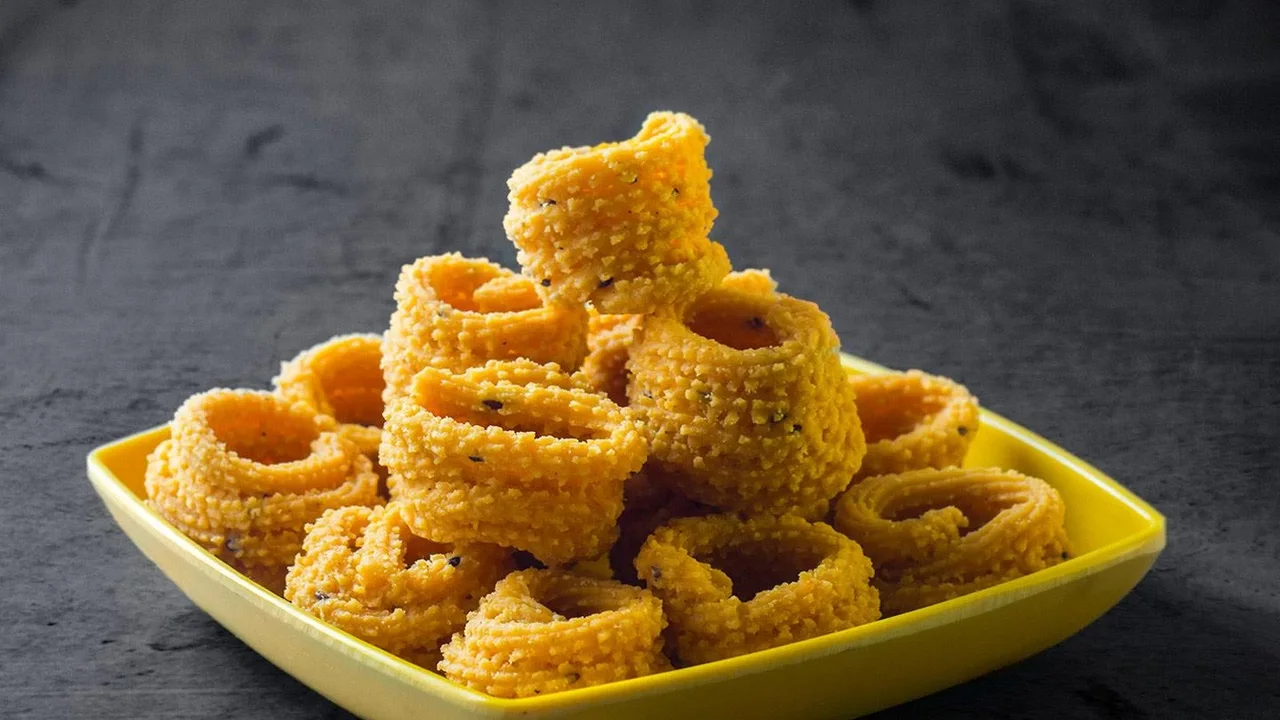






It’s a classic Indian road trip ritual: pulling over for a plate of hot samosas or crispy pakoras. But have you ever noticed that the rest of the drive feels sluggish and heavy? There’s a scientific reason for this post-snack slump.
The Heavy Digestive Burden
Fried foods are, by
nature, high in fat. When you consume a meal heavy in fats, your digestive system has to work overtime. The body diverts a significant amount of blood flow and energy to the stomach and intestines to break down these complex molecules. This process is known as postprandial somnolence, or a 'food coma'. The result is that less oxygenated blood and energy are available for your brain and muscles, leading to that familiar feeling of lethargy and reduced mental sharpness — a dangerous combination when you need to be alert behind the wheel.
The Blood Sugar Rollercoaster
Most popular roadside snacks like samosas, vadas, and bhajis are not just fried; they're also made from refined carbohydrates like maida (refined flour) and potatoes. These simple carbs are digested very quickly, causing a rapid spike in your blood sugar levels. Your body responds by releasing a large amount of insulin to manage this sugar rush. This insulin surge can often be too effective, causing your blood sugar to crash soon after, a state known as reactive hypoglycemia. This sharp drop in available energy is a primary cause of fatigue, irritability, and brain fog, making it difficult to concentrate on the road.
The Tryptophan and Serotonin Effect
High-carbohydrate meals also have a fascinating effect on your brain chemistry. Eating carbs makes it easier for an amino acid called tryptophan to enter the brain. Once there, tryptophan is converted into serotonin, a neurotransmitter that regulates mood and sleep cycles. This increase in serotonin can induce feelings of calmness and sleepiness. While this is helpful before bedtime, it's the last thing you want when navigating highway traffic. This hormonal shift, combined with the blood sugar crash, creates a powerful recipe for drowsiness.
The Dehydration Danger
Fried snacks are almost always heavily salted to enhance their flavour. This high sodium intake can lead to dehydration, as your body draws water from its cells to balance the salt in your bloodstream. Even mild dehydration is a significant, often overlooked, cause of fatigue, headaches, and reduced cognitive function. Studies have shown that driving while dehydrated can impair your abilities as much as driving over the legal alcohol limit, increasing your error rate and slowing your reaction time. This makes that salty snack a hidden risk on a long journey.
Smarter Snacks for a Safer Drive
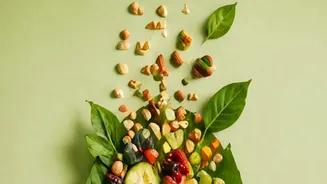
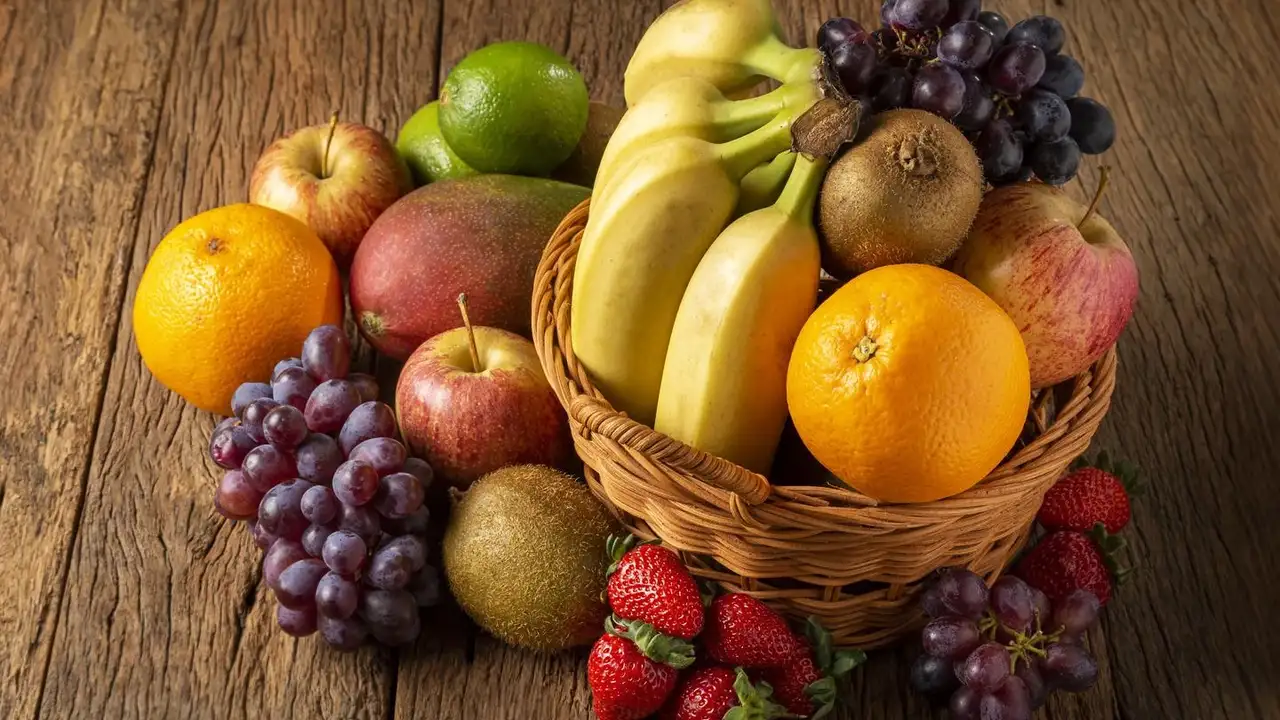
So, what should you reach for instead? The key is to choose snacks that provide sustained energy without the crash. Excellent options include fresh fruits like apples and bananas, which offer natural sugars balanced with fibre. Nuts and seeds such as almonds, walnuts, and pumpkin seeds provide a great mix of healthy fats, protein, and fibre to keep you full and alert. Other good choices include roasted makhana (fox nuts), whole-grain crackers, or a simple paneer sandwich. These options will fuel your body and mind, keeping you sharp and focused for the road ahead.