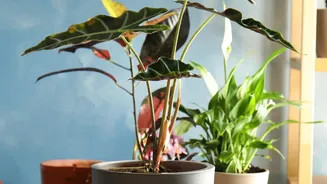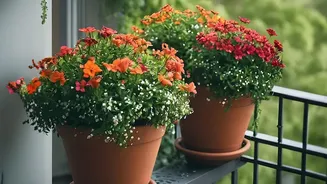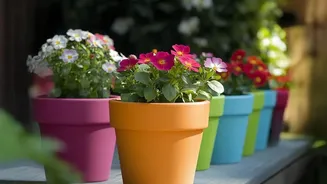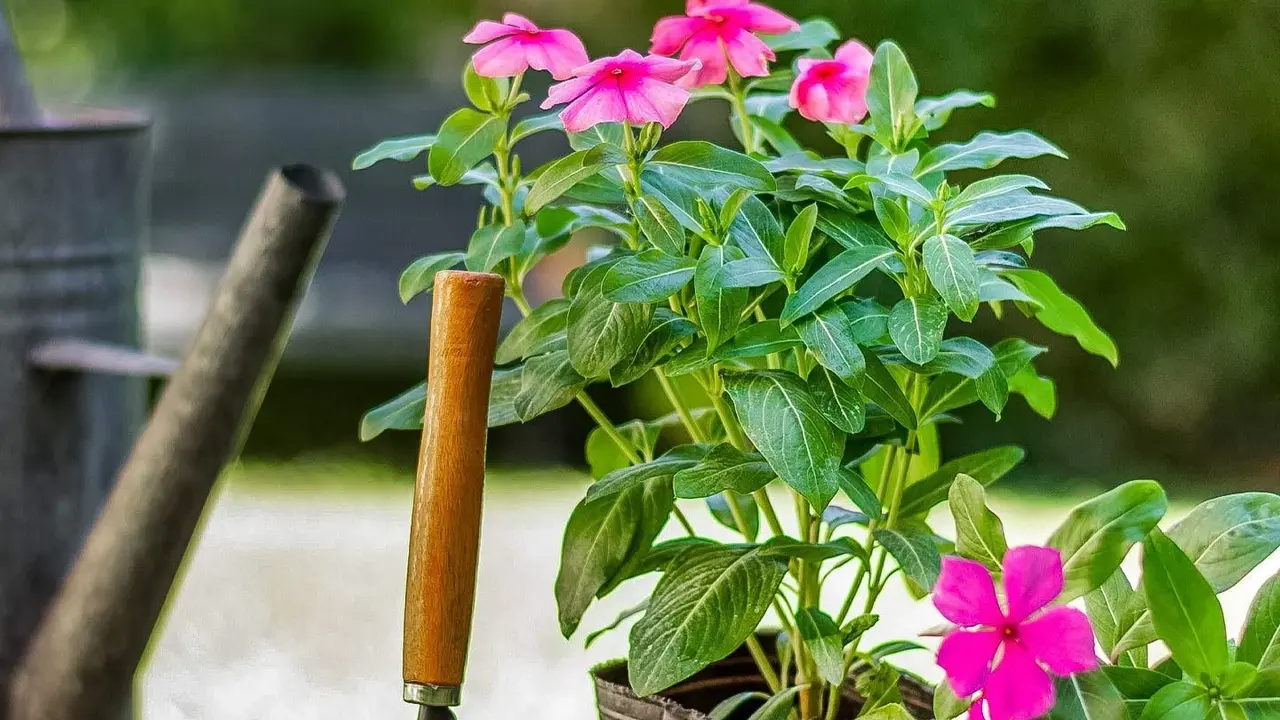





The Foundation: Pots and Soil
Before you plant, the right foundation is key. Your herbs need room to breathe and grow, which means choosing the right container and soil. Opt for pots at least 6-8 inches deep with plenty of drainage holes at the bottom. Terracotta pots are excellent
as they allow soil to breathe. When it comes to soil, never use heavy garden soil, which compacts easily and drowns roots. Instead, use a light, fluffy potting mix. You can buy a pre-made mix or create your own by blending equal parts garden soil, compost or vermicompost, and cocopeat. Adding a handful of perlite can further improve drainage, which is the single most important factor for container herbs. This blend ensures your plants get nutrients while allowing excess water to escape, preventing the dreaded root rot.
Tulsi: The Queen of Herbs
Tulsi, or Holy Basil, is a staple in many Indian homes, but it's a tropical plant that despises the cold. Winter care is all about protection. If temperatures drop below 10°C, it's time to bring your Tulsi pot indoors. Find the sunniest, warmest windowsill in your home, preferably one facing south or east. The biggest mistake with winter Tulsi care is overwatering. In the cold, the plant's growth slows dramatically, and it needs far less water. Check the soil with your finger; only water when the top inch or two feels completely dry. Watering just once a week might be enough. Blackened leaves are often a sign of cold damage or overwatering, not a lack of water. Avoid heavy fertilising during this dormant period; a light layer of compost at the beginning of winter is sufficient.
Mint: The Ever-Fresh Invader
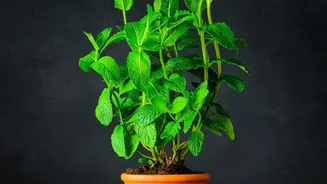
Mint, or Pudina, is one of the most rewarding herbs for beginners because it grows vigorously. In fact, its tendency to spread via runners makes it perfect for containers, where it stays neatly contained. Mint isn't too fussy but prefers bright, indirect sunlight for 4-6 hours a day. Unlike Tulsi, it enjoys consistently moist soil, but 'moist' doesn't mean 'soggy'. Water it whenever the top inch of soil feels dry. The fastest way to start a mint plant is from a cutting from a healthy, existing plant. Simply place a stem in a glass of water, and you'll see roots appear in a week or two. Once rooted, you can transplant it into your pot. Regular harvesting is the key to a bushy mint plant; the more you snip, the more it will grow.
Coriander: Harvest Fresh Dhania Weekly
Coriander, or Dhania, is a cool-season herb, making it an ideal candidate for a winter garden. Growing it from seed is simple and fast, with leaves often ready to harvest in about 30-40 days. To improve germination, start by gently crushing the whole coriander seeds so they split in half. Soaking these split seeds in water overnight also helps. When sowing, don't plant them too deep. Sprinkle the seeds over the soil surface and cover them with a thin layer of cocopeat. Water gently and keep the pot in a spot that receives 4-5 hours of morning sun. Coriander has a long taproot and doesn't like being moved, so sow the seeds directly in their final pot. To harvest, snip the outer leaves with scissors, leaving the inner ones to continue growing. This method allows for multiple harvests from a single pot.
Common Winter Challenges
Growing herbs indoors during winter comes with a few universal challenges. The first is limited sunlight. With shorter days, you must place your pots in the brightest spot you can find. Rotate the pots every few days so all sides of the plant get some light. The second, and most common, problem is overwatering. Cold, wet soil is a death sentence for most herbs. Always check the soil before watering; when in doubt, it's better to wait another day. Finally, while pests are less common indoors, keep an eye out. Dry indoor air can sometimes attract spider mites. You can increase humidity by grouping plants together or placing them on a tray of pebbles and water.