




Meet the SCOBY: A Living Community
First things first, SCOBY is an acronym that stands for Symbiotic Culture Of Bacteria and Yeast. While many people think of the gelatinous, pancake-like disc that floats on top of the tea, the SCOBY is technically the entire community of microorganisms
living throughout the liquid. That disc, more accurately called a pellicle, is a biofilm of cellulose created by the bacteria, which serves as a home for the yeast and bacteria to live and work together. This living culture is a partnership. It’s a bustling ecosystem where different types of yeast and bacteria coexist and rely on each other to perform the complex task of fermentation. The main players are typically acetic acid bacteria (like Acetobacter and Gluconobacter) and various yeasts (such as Saccharomyces).
The Fermentation Dance
So how does this community turn sweet tea into kombucha? It’s a fascinating two-step process. First, you add the SCOBY and some starter tea (already fermented kombucha) to a fresh batch of sweetened black or green tea. The yeast gets to work immediately, feasting on the sugar. Through this process, the yeast breaks the sucrose down into glucose and fructose, converting them into small amounts of ethanol (alcohol) and carbon dioxide, which is what will eventually give the drink its fizz. This is where the bacteria tag in. The acetic acid bacteria consume the ethanol created by the yeast and convert it into healthy organic acids, most notably acetic acid. This is what gives kombucha its signature sour, vinegary tang and also lowers the brew's pH, making it acidic.
What's in Your Finished Brew?
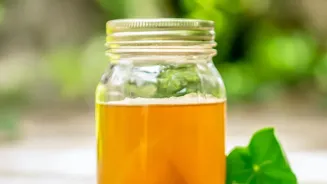
After about one to two weeks of fermentation, that simple sweet tea has been transformed into a complex beverage. The final product is a symphony of new compounds created by the SCOBY. The most celebrated of these are probiotics—the beneficial live bacteria and yeasts that can support a healthy gut. The brew is also rich in various organic acids, like acetic, gluconic, and lactic acid. Furthermore, kombucha contains antioxidants derived from the tea it was made with, as well as B vitamins produced during fermentation. While the process starts with a significant amount of sugar, most of it is consumed by the SCOBY, leaving a much lower sugar content in the final drink, along with a typically very low level of alcohol (usually under 0.5% in commercial brews).
So, Is It a Health Elixir?
This is the million-dollar question. The health claims surrounding kombucha are vast, ranging from improved digestion to a stronger immune system. The science is still emerging, but many benefits are linked to its components. The presence of live probiotics can help balance your gut microbiome, which is crucial for digestion and overall wellness. The antioxidants from green or black tea are well-known for fighting cell damage. Some studies suggest kombucha can support liver health and may have antimicrobial properties. However, it's important to note that many studies are not large-scale human trials, and the exact composition of kombucha can vary widely. While it can be a healthy addition to a balanced diet, it's not a magic cure-all.
Brewing at Home: Control and Caution
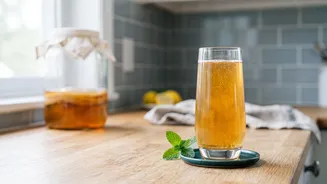
One of the great joys of kombucha is making it at home, which gives you complete control over the sugar content, flavourings, and fermentation time. However, safety is paramount. The primary risk in home brewing isn't exotic bacteria like botulism, which is extremely unlikely in kombucha's acidic, oxygen-rich environment, but rather mould from contamination. It's crucial to use sterilized equipment, clean hands, and a healthy SCOBY. The fermentation vessel should be glass, as the acidic nature of the brew can cause chemicals to leach from metal or plastic containers. By following proper hygiene, you can safely create a delicious and healthy beverage right in your own kitchen.