







Master the Art of Layering
The single most effective strategy for multi-climate packing is layering. Instead of packing a bulky, heavy jacket, think in terms of a three-part system that you can adapt. Start with a base layer, which is the shirt closest to your skin. A moisture-wicking
fabric is ideal here. Your mid-layer provides insulation; this could be a lightweight fleece or a thin merino wool sweater. Finally, your outer layer, or shell, should be a lightweight, windproof, and waterproof jacket that can be packed down small. This system allows you to wear just the base layer in humid heat, add the mid-layer for a cool evening, and combine all three for cold, wet mountain conditions. This approach is far more space-efficient than packing separate outfits for each climate.
Choose Your Fabrics Wisely
The materials your clothes are made from will make or break your packing strategy. For hot, humid weather, prioritise lightweight, breathable fabrics like linen and certain cotton blends that allow for airflow. For your cold-weather pieces, focus on materials that offer maximum warmth for minimum bulk. Merino wool is a travel superstar; it’s breathable in the heat, insulating when it's cold, naturally odour-resistant, and lightweight. Cashmere is another excellent, light-yet-warm option. One fabric to avoid, especially for base or mid-layers in the cold, is cotton. It absorbs moisture and takes a long time to dry, which can leave you feeling cold and damp.
Embrace Multi-Functional Gear
To pack light, every item should earn its place in your bag by serving multiple purposes. Convertible pants that zip off into shorts are a classic example, giving you options for both hiking and city strolling. A large, lightweight scarf or a pashmina can be a sarong on the beach, a head covering for sunny days or visiting religious sites, and an extra layer of warmth for your neck or shoulders on a chilly flight or evening. A well-chosen dress in a wrinkle-resistant fabric can be worn casually with sneakers for sightseeing or dressed up for dinner. Think about how each piece can be mixed, matched, and adapted before it goes into your suitcase.
Rethink Your Footwear
Shoes are often the bulkiest and heaviest items in a suitcase. The key is to limit yourself to three versatile pairs. First, a comfortable pair of sandals that can handle a day of walking but also work for the beach. Second, a pair of stylish but comfortable closed-toe shoes, like leather sneakers or flats, that you can wear for travel, city exploration, and even a casual dinner. Finally, for the mountain portion of your trip, a single pair of lightweight, waterproof walking or hiking shoes is essential. Wear your bulkiest pair—likely the hiking shoes—on the plane to save a significant amount of space and weight in your luggage.
Accessorise for Warmth and Style
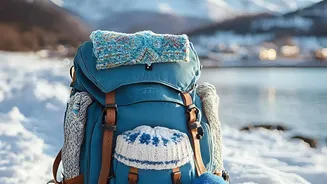
Small accessories can make a huge difference in adapting to a new climate without taking up much room. For the cold, a warm beanie or cap, a pair of gloves, and warm wool socks are non-negotiable and easily packable. These items trap heat at your extremities and can dramatically increase your comfort in plunging temperatures. For the heat, a packable sun hat and sunglasses are essential. These small additions allow your core clothing items to remain versatile while providing the climate-specific protection you need.
Use Smart Packing Techniques
How you pack is almost as important as what you pack. Using packing cubes can help you compartmentalise your clothing, perhaps using one colour for warm-weather gear and another for cold. This keeps your bag organised and prevents you from having to unpack everything to find one item. Rolling your clothes instead of folding them not only saves space but can also help minimise wrinkles. For your bulkiest items, like a fleece or packable jacket, consider using a compression sack to squeeze out excess air and reduce its volume significantly.