




The Great Indian Protein Gap
For all the richness of our culinary traditions, a significant portion of the Indian population is falling short on protein. Studies have repeatedly shown a widespread protein deficiency, with some surveys indicating that nearly 73% of Indians consume
an inadequate amount of this vital nutrient. This isn't just a rural issue; it cuts across urban and rural divides and affects all ages. The problem is compounded by a lack of awareness, with many people unable to identify protein-rich foods or unaware of their daily requirements. Symptoms like persistent fatigue, frequent illness, hair fall, and slow recovery from injuries are often not linked to this dietary gap. This oversight has significant health consequences, impacting everything from muscle strength and immunity to metabolic health.
When Variety Isn't Enough
Indian diets are often built around a foundation of carbohydrates. Meals frequently feature a large portion of rice or roti, with smaller servings of dal, sabzi, or curd on the side. While delicious and filling, this structure means that carbohydrates can contribute over 60% of our total calories, a figure that is among the highest in the world. This reliance on cereals and the rise of convenient, refined carbohydrate products often crowd out protein. Many believe that a varied vegetarian diet automatically provides enough protein, but that isn't always the case. Plant-based proteins, while excellent, sometimes have lower digestibility and may need to be combined correctly to provide all essential amino acids. The result can be a diet that is calorie-dense but nutrient-poor, contributing to a paradox of being overfed yet undernourished.
Why Your Body Is Asking for It
Protein is far more than just fuel for bodybuilders; it's a fundamental building block for every cell in your body. It’s essential for repairing tissues, building lean muscle, producing crucial enzymes and hormones, and supporting a robust immune system. Adequate protein intake helps you feel fuller for longer, which can aid in weight management by reducing cravings and overall calorie consumption. It plays a critical role in regulating blood sugar levels and boosting your metabolism. For children and pregnant women, it's vital for growth and development. In adults and the elderly, sufficient protein is necessary to prevent age-related muscle loss, known as sarcopenia, which can lead to frailty.
Simple Ways to Power Up Your Plate
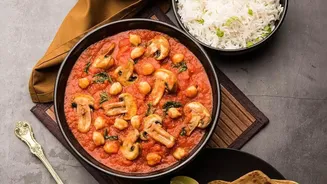
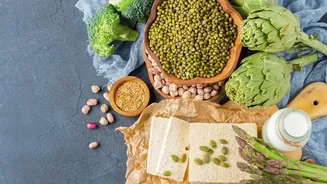
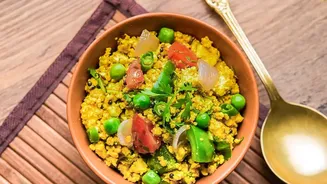
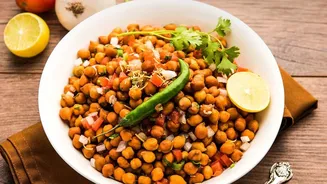
Integrating more protein into your diet doesn't require abandoning your favorite meals; it just requires a few smart adjustments. The goal is to make protein a central part of the plate, not an afterthought. For vegetarians, this means increasing the portion size of dals, legumes like rajma and chana, paneer, and curd. Think of dal as a main dish, not just a watery side. Combining different pulses or adding soya granules can boost the protein content of a dish without altering its taste. Simple swaps like choosing a besan chilla over a plain paratha for breakfast, or snacking on a handful of nuts or sprouts instead of biscuits, can make a significant difference. For non-vegetarians, incorporating eggs, fish, and lean chicken into meals provides high-quality protein. The key is to ensure every meal—from breakfast to dinner—has a dedicated protein source.