







Mastering the Monsoon Walk
Daily walks are non-negotiable, even when it’s pouring. The key is to adapt. Try to time walks for when the rain is lightest. Investing in a good-quality pet raincoat can be a game-changer, keeping your dog's core dry and reducing the post-walk cleanup
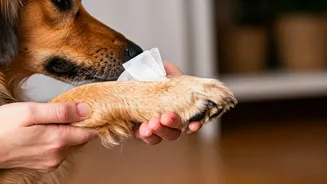
effort. Pet boots can also protect paws from dirty water and sharp objects hidden in puddles. After every single walk, no matter how short, it is crucial to wash and dry your pet’s paws. Pay special attention to the areas between their toes, as trapped moisture can lead to painful fungal and bacterial infections like pododermatitis. A quick rinse and a thorough drying with a microfiber towel should become a standard part of your routine.
Winning the War on Dampness and Dirt
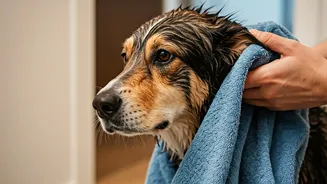
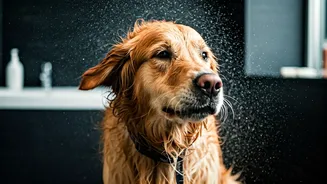
Humidity is the biggest enemy during the monsoon. A perpetually damp coat is a breeding ground for skin infections and that infamous 'wet dog' smell. Make it a habit to thoroughly dry your pet every time they get wet, using an absorbent towel or a hairdryer on a low, cool setting. Regular brushing is also more important than ever. It helps to remove debris, prevent matting, and improve air circulation to the skin. Keep your pet's bedding clean and dry, washing it more frequently, especially in humid cities like Mumbai or Chennai. Using waterless shampoos can be a convenient way to keep your pet fresh between baths, which should be less frequent to avoid stripping natural skin oils.
Guarding Against Seasonal Health Risks
The rainy season sees a spike in specific health problems. Pests like ticks and fleas thrive in the warm, humid weather, so it is critical to be diligent with your vet-recommended prevention plan. Another major threat is Leptospirosis, a serious bacterial infection spread through the urine of infected animals, which contaminates stagnant water and puddles. Always carry fresh drinking water for your pet on walks and prevent them from drinking from puddles, which can also cause stomach issues. Ear infections are also common, especially for floppy-eared breeds, due to trapped moisture. Clean their ears regularly with a solution recommended by your vet.
Keeping Cabin Fever at Bay
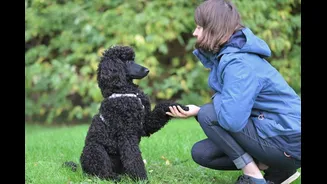
Shorter walks and more time indoors can lead to boredom and destructive behaviour. The solution is indoor enrichment that engages their mind. Mental stimulation can be just as tiring as physical exercise. Introduce puzzle feeders, snuffle mats, or play scent games like hiding treats around the house. These activities satisfy your dog's natural foraging instincts. You can even create a simple indoor obstacle course using pillows, chairs, and blankets. Short training sessions to practice old commands or teach new tricks are another excellent way to burn mental energy and strengthen your bond. For anxious pets scared of thunder, create a safe, cozy den and play calming music to mask the noise.
Diet and Hydration Adjustments
With potentially reduced physical activity, your pet might not need as many calories. You may need to adjust their food portions slightly to prevent weight gain. Ensuring they drink clean water is paramount. Contaminated water is a primary source of gastrointestinal problems during the monsoon. It’s safest to provide boiled or filtered water. Keep their food stored in an airtight container to prevent it from absorbing moisture and spoiling. If you notice a significant drop in your pet's appetite, it's always best to consult your veterinarian rather than self-diagnosing.