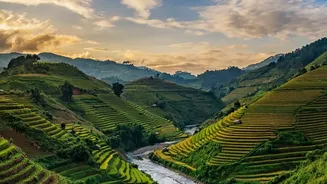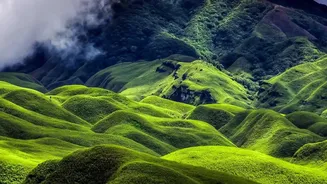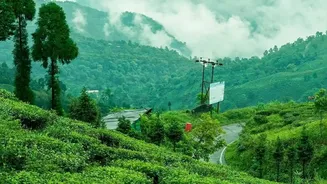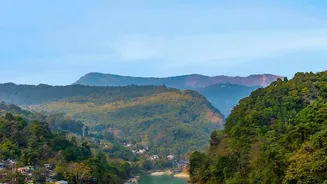

Meghalaya: The Abode of Clouds Roars to Life
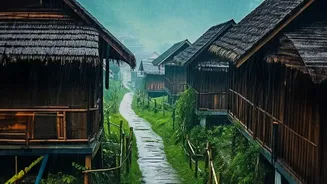
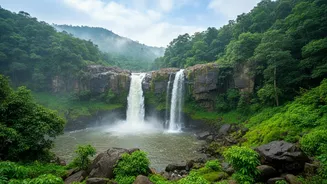
Meghalaya during the monsoon isn't just wet; it's an experience. This is when the title 'Abode of Clouds' feels most literal, with mist wrapping around hills and valleys. It's the season when waterfalls like Nohkalikai and the Seven Sisters Falls, which
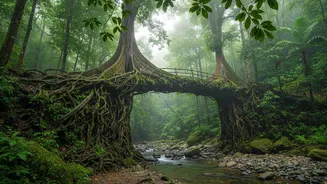
are gentle streams in other seasons, turn into thundering torrents of water. The famous living root bridges, particularly the Double-Decker bridge in Nongriat, are at their most enchanting, surrounded by a super-saturated green landscape. For eco-travellers, the appeal lies in seeing nature at its most powerful. Community-run homestays in villages like Mawlynnong, known as Asia's cleanest village, offer an immersive and low-impact way to experience Khasi culture and the region's incredible biodiversity.
Sikkim: Serenity in the Mist-Covered Mountains
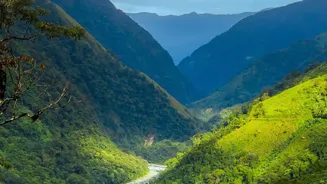
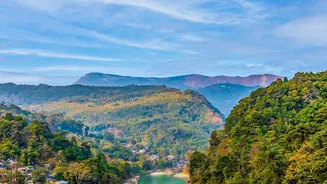
While some parts of Sikkim can be challenging to access during heavy rains, the state offers a unique sense of tranquility in the monsoon. The weather is pleasantly cool, and the landscape is a canvas of emerald green. This season is ideal for those seeking solitude and a more spiritual journey. Monasteries like Rumtek and Pemayangtse, shrouded in mist, offer a deeply peaceful atmosphere with far fewer tourists. For nature lovers, the Teesta River swells into a powerful, shimmering force, and alpine valleys bloom with countless wildflowers for those willing to brave the rain on guided treks. Opting to travel in this off-peak season not only means better deals on stays but also a more intimate connection with the local way of life.
Arunachal Pradesh: A Mystical and Raw Frontier
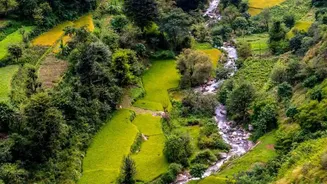
Travelling to Arunachal Pradesh in the monsoon is for the truly adventurous eco-traveller, but the rewards are immense. The rain transforms places like Ziro Valley into a sea of vibrant green paddy fields, creating a serene and picturesque landscape. The constant rain and mist lend a mystical quality to ancient sites like Tawang Monastery. While travel requires flexibility due to potential landslides, the experience is one of deep immersion in nature. Waterfalls such as Nuranang Falls are at their most spectacular during this time. Eco-tourism here is about respecting the delicate environment and the indigenous cultures, often through stays in local homestays that provide authentic insights into the lives of tribes like the Apatani.
Assam: Green Tea Gardens and Swollen Rivers
While Kaziranga National Park is mostly closed during the monsoon, the rest of Assam bursts into life. The state’s iconic tea gardens in areas like Dibrugarh become intensely green, offering stunning vistas against overcast skies. This is a fantastic time for slow travel, focusing on cultural experiences. The river island of Majuli, a hub of Neo-Vaishnavite culture, is surrounded by the powerful Brahmaputra, and witnessing life adapt to the swollen river is a unique experience. The rain also revitalises wildlife sanctuaries like Pobitora, known for its dense rhino population, making the ecosystem even more vibrant for birdwatching and observing nature.
The Conscious Traveller’s Guide to a Monsoon Trip
The growing interest in the Northeast during monsoon is tied to a more conscious form of travel. Recent data shows a significant rise in hotel bookings for the region during this season, pointing to a trend of seeking nature-based, offbeat experiences. Eco-travel here means more than just visiting a place; it's about contributing positively. This involves choosing community-run homestays over large hotels, hiring local guides, and respecting sacred groves and indigenous traditions. It also means being prepared: pack waterproof gear, be flexible with your itinerary as roads can be unpredictable, and minimise your plastic footprint. By embracing slow travel, visitors can experience the region’s incredible monsoon beauty while supporting the communities that preserve it.