
The Age of the Over-Styled Shelf
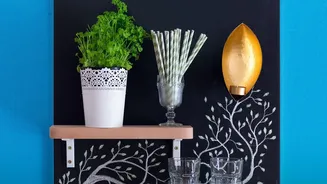
You know the look: colour-coordinated books turned spine-in, artfully placed objects, and layers of knick-knacks filling every available inch. This trend, a cousin of maximalism and "cluttercore," turned our shelves into stages for our possessions. It
was driven by the visual demands of platforms like Instagram and Pinterest, where a full, busy composition often performs best. While beautiful in a photo, living with this aesthetic can be a different story. The pressure to maintain a perfectly styled, yet artfully messy, display can feel performative and, ironically, create a sense of visual noise that's anything but relaxing. The goal often became accumulation, with shelves acting as a showcase for everything we owned rather than a thoughtful collection.
Enter 'Bookshelf Wealth'
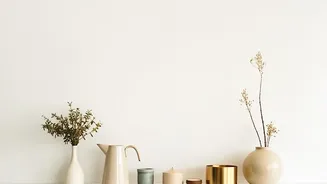
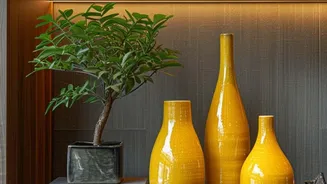
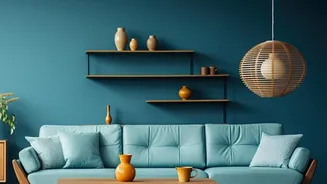
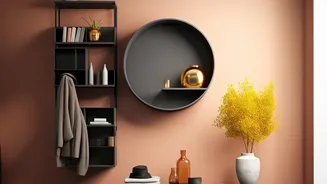
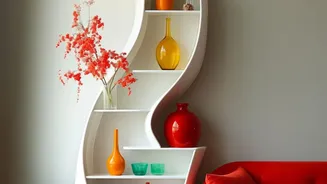
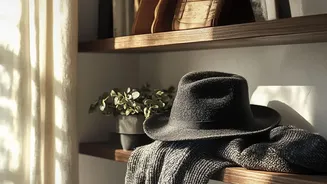
The backlash to the cluttered look has arrived in the form of a trend dubbed "bookshelf wealth." This approach isn't about being rich, nor is it about stark, empty minimalism. Instead, it prioritizes a lived-in, authentic feel where shelves tell a personal story. The focus is on displaying books you've actually read and objects you truly love, collected over time. This style celebrates authenticity and personal journeys, creating a comforting space that money can't buy. Crucially, this trend understands that empty space—or negative space—is a design element in itself. It gives the eye a place to rest, allowing the meaningful objects that remain to truly shine and breathe. The result is a look that is curated but not crowded, personal but not chaotic.
Why We're Craving Visual Calm
This shift isn't happening in a vacuum. It's connected to a broader cultural desire for peace, mindfulness, and authenticity in our increasingly chaotic world. Studies in environmental psychology have shown that physical clutter can directly impact our mental state, increasing stress and making it harder to focus. A cluttered environment can overload our senses and elevate cortisol, the stress hormone. By consciously creating space in our homes, we create space in our minds. The move towards more intentional styling is a reaction against the visual noise and the pressure to consume. It aligns with concepts like "quiet luxury," where the emphasis is on quality, meaning, and understated elegance rather than overt display. In essence, we're tired of living in spaces that feel like a broadcast; we want a home that feels like a sanctuary.
How to Embrace the Empty Space
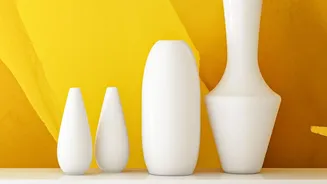
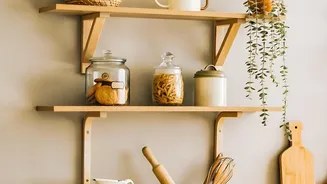
Adopting this new approach doesn't mean getting rid of everything. It's about intentional editing. Start by taking everything off your shelves to get a fresh perspective. Place your most important items back first, focusing on books and objects that hold personal meaning. Mix vertical stacks of books with horizontal ones to create rhythm and different heights. Group smaller items in odd numbers, like threes or fives, which tends to look more natural. Vary the height, shape, and texture of your objects to create visual interest. Most importantly, don't be afraid of the gaps. Step back and appreciate how the empty space balances the heavier items and makes the entire composition feel more balanced and calm. Think of it not as emptiness, but as breathing room.