
Fresh Dust from a New Frontier
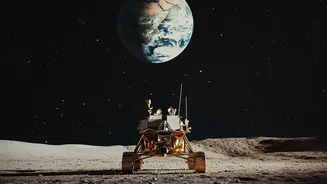
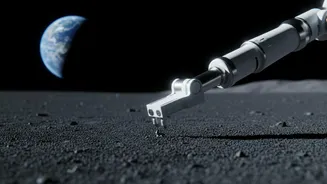
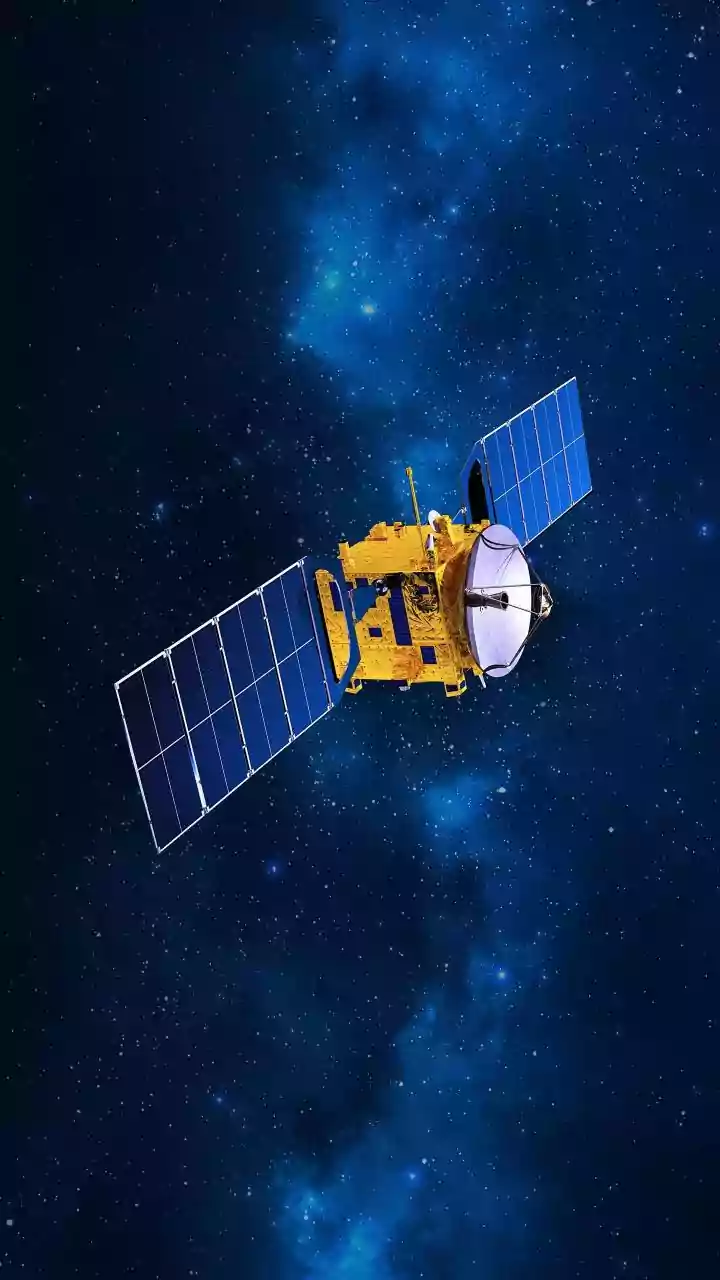
Humanity's first-ever samples returned from the far side of the Moon by China's Chang'e-6 mission in 2024 are yielding a treasure trove of data. Scientists are meticulously analysing the nearly two kilograms of rock and dust collected from the vast South
Pole-Aitken basin, a region fundamentally different from where the Apollo missions landed over 50 years ago. These initial studies are confirming long-held theories and revealing surprising new details about the Moon's hidden hemisphere. Analysis has confirmed that volcanic activity on the far side occurred much more recently than some models predicted, helping to redraw the Moon's geological timeline. The composition of these samples is providing critical evidence to support the 'lunar magma ocean' hypothesis, which suggests the early Moon was covered in molten rock.
Not Your Grandfather's Moon Dust
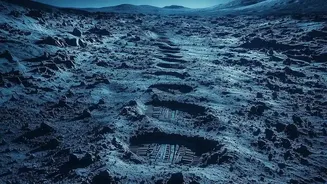
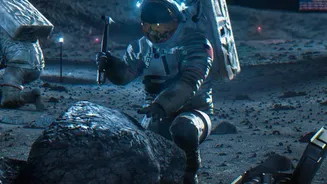
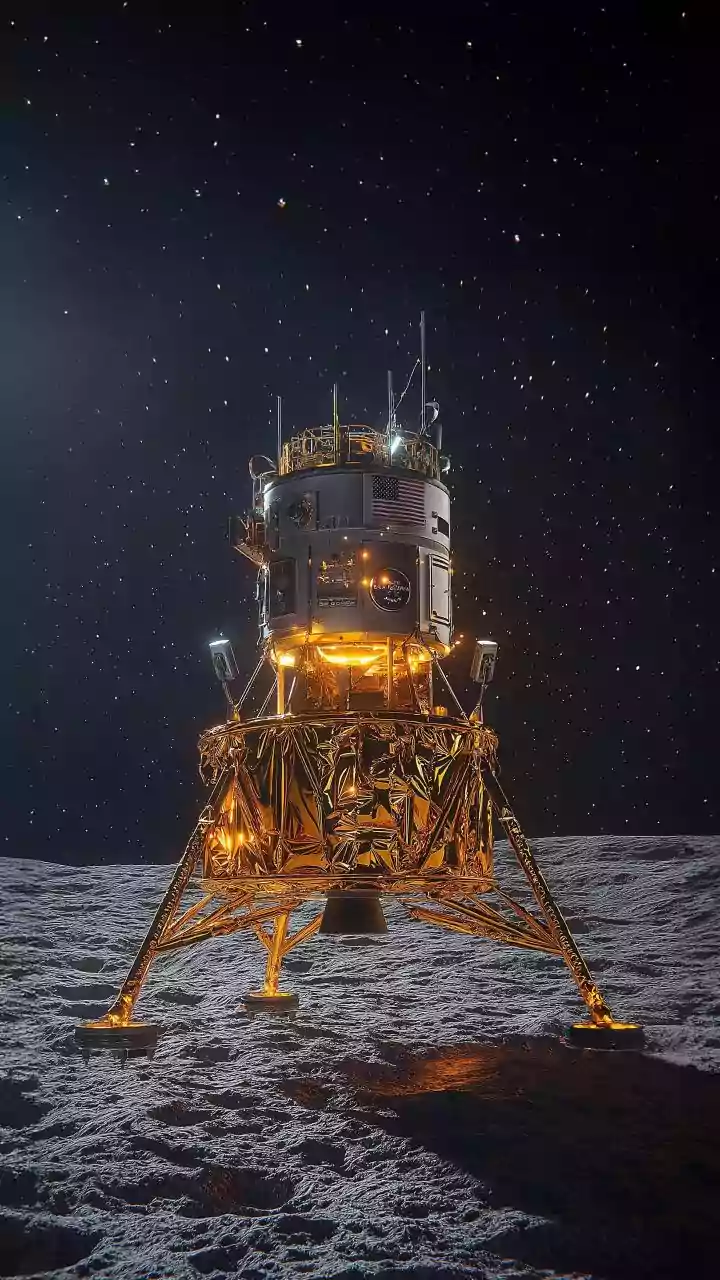
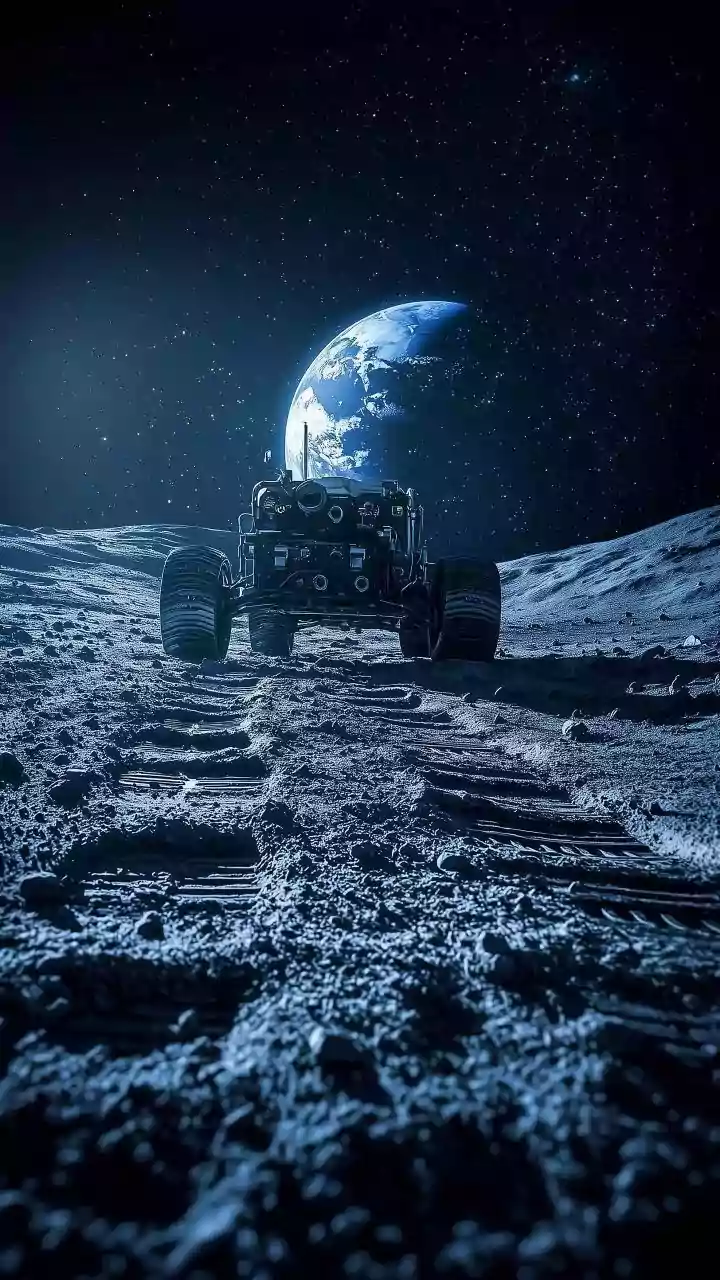
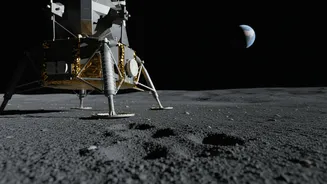
A key takeaway from the new data is that far-side soil is physically and chemically distinct from the near-side samples collected by the Apollo astronauts. For instance, the far-side soil is much finer, looser, and more 'sticky' or cohesive. Researchers believe this is because the far side is not shielded by Earth's magnetosphere, exposing it to more intense solar wind and micrometeoroid impacts over billions of years. This constant bombardment pulverises the rock into finer, more angular particles that clump together. These physical properties are not just academic curiosities; they have major practical implications for designing future landers, rovers, and construction equipment that must operate in this unique environment.
The Blueprint for a Lunar Base
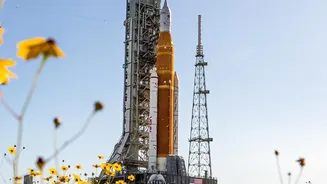
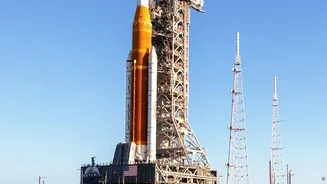
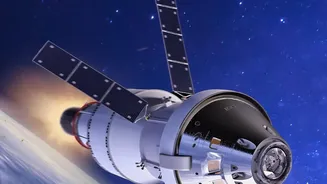
This detailed soil analysis is crucial for what's known as In-Situ Resource Utilization (ISRU), which essentially means living off the land. Future long-term missions, like those planned under NASA's Artemis program, depend on using local lunar resources to reduce the immense cost of hauling materials from Earth. The new data informs how we might extract vital resources. This includes water ice, believed to be abundant in permanently shadowed craters, which can be converted into drinking water, breathable air, and rocket propellant. It also includes valuable minerals and elements like Helium-3, a rare isotope on Earth that could one day fuel clean fusion energy. Understanding the soil's composition helps engineers design better extraction and processing technologies.
From Soil to Structures
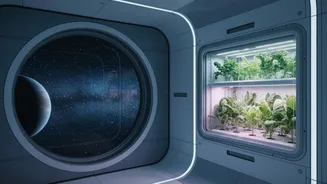
Beyond fuel and water, the lunar soil itself is the primary candidate for construction material. Companies are already developing technologies like 3D printing to melt the regolith and turn it into bricks, landing pads, and habitats. However, the success of this depends on the soil's specific properties. The new analysis of far-side soil, with its unique texture and composition, will help refine these construction techniques. Knowing that the soil is finer and more cohesive in certain areas allows mission planners to select ideal sites for building infrastructure, ensuring the stability and durability of the first permanent human outpost on another world.