




The Global Shift to Plant-Forward Eating
The move towards plant-based eating is a global phenomenon, and it's rapidly finding fertile ground in India. Driven by a blend of health awareness, environmental concerns, and ethical considerations, diners worldwide are reducing their meat consumption.
In India, where vegetarianism has deep cultural roots, this trend is taking on a modern identity. It's less about traditional vegetarian fare and more about a 'plant-forward' approach that prioritizes wellness, flavour, and new ingredients. Market forecasts show significant growth, with the Indian plant-based food market expected to expand considerably between 2026 and 2034. This shift is particularly strong among urban millennials and Gen Z, who are more experimental and influenced by global wellness movements.
Asia on a Plate, Minus the Meat
This plant-based wave is meeting another powerful trend: India's growing obsession with Pan-Asian cuisine. The cultural influence of K-dramas and anime has created a huge appetite for Korean and Japanese food, from ramen and gochujang to katsu and kimchi. Cafés are responding by moving beyond the standard paneer tikka and mushroom masala. Menus now feature plant-based versions of Asian classics. Think crispy tofu in a spicy Korean sauce, jackfruit filling for a flavourful wrap, or a steaming bowl of vegetarian ramen. Recent new menus in cities like Mumbai and Bengaluru showcase dishes like Smoked Chilli Tofu, Avocado Nigiri, and vegetarian Katsu Curry, demonstrating how chefs are creatively adapting these cuisines.
Designed for the 'Gram
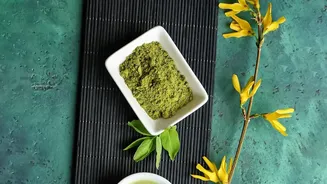
In the age of social media, we eat with our eyes first, and these new plant-based Asian dishes are incredibly photogenic. The vibrant colours of a Korean bibimbap bowl, the artful construction of a vegetarian sushi roll, and the comforting aesthetic of a matcha latte are made for Instagram feeds. Cafés understand that a visually appealing dish is its own best marketing tool. This focus on aesthetics aligns perfectly with modern café culture, which is as much about the overall experience and vibe as it is about the food. For many younger diners, a trip to a café is an opportunity to socialize, relax, and create content, making Instagrammable dishes a key part of the attraction.
New Textures, Bolder Flavours
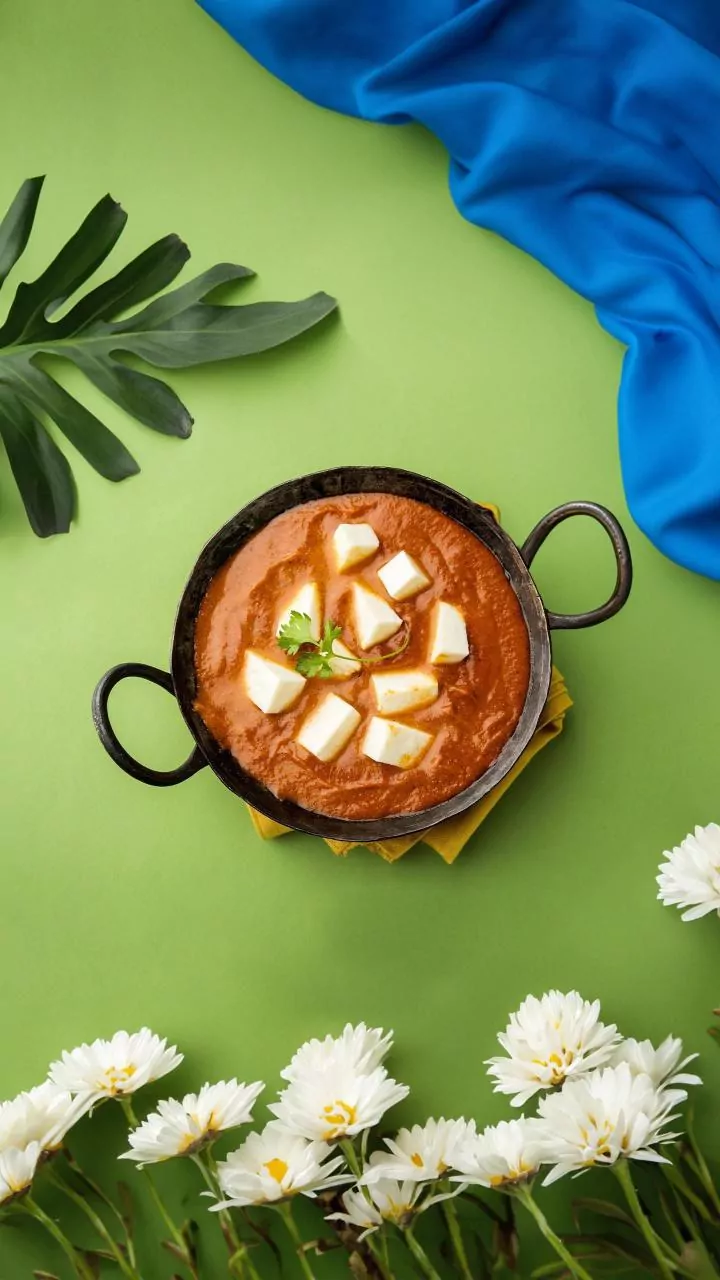
Chefs are rising to the creative challenge of delivering the complex flavours of Asian cuisine without meat. This has led to an exploration of innovative ingredients and techniques. Tofu, once a niche product, is now a star, appearing in everything from scrambles (bhurji) to rich curries like Tofu Tikka Masala. Ingredients like tempeh, edamame, and various mushrooms are being used to provide satisfying textures. The secret to the bold flavours lies in umami-rich sauces and condiments. Miso, gochujang (Korean chilli paste), soy sauce, and fermented beans are being used to create depth and savouriness that satisfies the Indian palate's craving for robust tastes. This culinary innovation is proving that plant-based food doesn't have to be a compromise on flavour.
The Evolving Urban Indian Palate
This trend speaks to a broader shift in urban India. Diners are more adventurous and globally connected than ever before. Exposure through travel and media has cultivated a curiosity for international flavours, and restaurants are responding. While authentic Indian food will always be the foundation, the modern café-goer is looking for variety and new experiences. Restaurants are finding success by balancing authentic Asian flavours with adaptations for local tastes, creating fusion dishes that are both exciting and familiar. The rise of these plant-based Asian dishes shows that the Indian café is evolving from a simple coffee shop into a dynamic culinary space that reflects the tastes of a new generation.