




The festive season brings joy, lights, and togetherness, but in many Indian cities, it also ushers in a period of poor air quality. This doesn't mean you have to cancel your plans. Here’s how you can make smarter decisions for your health.
Understanding the Festive Air Challenge
As the weather
cools post-monsoon, a combination of factors can lead to a sharp decline in air quality. Calm, cool nights can trap pollutants close to the ground in what is known as a temperature inversion. This is often compounded by increased emissions from traffic during festival shopping, construction dust, and smoke from agricultural burning in surrounding regions. The result is a thick, hazy smog that can pose health risks, particularly for children, the elderly, and those with respiratory conditions. Planning evening outings, whether for pandal hopping or festive dinners, requires a bit more than just checking for rain.
Your Digital Toolkit: Essential Apps and Websites
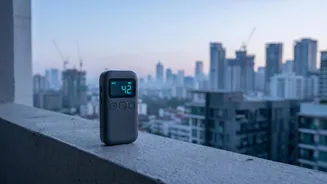
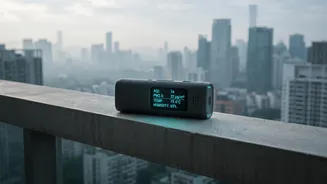
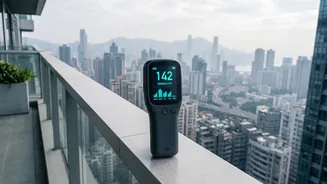
The first step to making informed decisions is having the right tools. Fortunately, several reliable apps and websites provide real-time air quality data. The official government app, 'Sameer', provides hourly updates from the Central Pollution Control Board (CPCB). Another government initiative, 'SAFAR-Air', offers forecasts and health advisories for major cities like Delhi and Mumbai. For more granular, hyperlocal data and global context, 'IQAir AirVisual' is a popular choice, offering data from a vast network of monitors. Other useful options include AQI.in, which has strong local coverage, and weather apps like AccuWeather that now integrate air quality readings.
Decoding the Data: What AQI and PM2.5 Mean
When you open these apps, you'll see a number called the Air Quality Index or AQI. It's a single value from 0 to 500 that simplifies complex pollution data. India's AQI system uses six colour-coded categories, ranging from 'Good' (Green) to 'Severe' (Dark Red). Here’s a simple breakdown: - 0-50 (Good): Minimal impact; safe for all activities. - 51-100 (Satisfactory): May cause minor breathing discomfort to sensitive people. - 101-200 (Moderate): People with lung or heart disease, children, and older adults should reduce prolonged outdoor exertion. - 201-400 (Poor to Very Poor): Can cause respiratory illness on prolonged exposure. Everyone should limit outdoor activity. - 401+ (Severe): Affects even healthy people and seriously impacts those with existing diseases. Avoid all outdoor physical activity. Pay special attention to the PM2.5 reading. These are fine, inhalable particles so tiny they can enter the bloodstream and pose the most significant health risk.
Factoring in the Weather Forecast
Pollution doesn't exist in a vacuum; it’s heavily influenced by the weather. A strong breeze can be your best friend, dispersing pollutants and clearing the air. Conversely, calm, stagnant conditions, especially during a high-pressure system, can trap pollution and make the air quality worse. Cold winter nights often create temperature inversions that act like a lid, holding pollutants near the ground. When planning your evening, look at the hourly weather forecast alongside the AQI. Check for wind speed and direction. A breezy evening is always a better bet than a still one. Rain can also help by washing pollutants out of the air.
Armed with this data, you can now plan strategically. Check the hourly AQI forecast for the specific time you plan to be out. If the evening forecast shows 'Poor' or 'Very Poor' air quality, consider shifting your plans. Perhaps an indoor dinner is a better choice than a street food crawl. If you're visiting an outdoor venue, aim for times when the air quality is relatively better, which on some days might be the afternoon rather than late evening. For essential outings, try to combine errands to minimise your total time outdoors. If driving, keep your car windows closed and use the air recirculation mode to limit exposure.
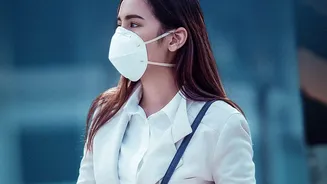
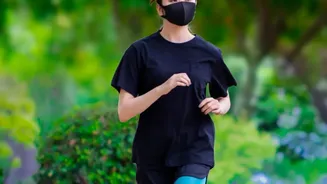
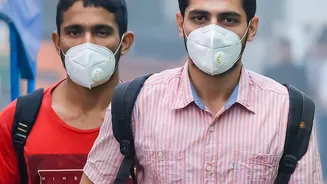
Beyond monitoring, a few simple habits can make a big difference. On days with high pollution, wearing a well-fitted N95 or N99 mask can significantly reduce your intake of harmful PM2.5 particles; cloth and surgical masks offer little protection. If you must be outdoors, choose routes away from heavy traffic congestion. Staying well-hydrated and eating a diet rich in antioxidants, like fruits and green vegetables, can help support your body's immune system. Finally, consider investing in a good air purifier with a HEPA filter for your home to create a clean air sanctuary where your body can recover.