



Know the Alerts Before You Go
The first step to a safe monsoon trip is staying informed. The India Meteorological Department (IMD) has issued heavy to extremely heavy rainfall warnings for several states this week. Regions including the Northeast, parts of eastern India, and the southern
peninsula are on high alert. Assam, Meghalaya, Sub-Himalayan West Bengal, and Sikkim are expected to see particularly intense spells. Southern states like Kerala and Karnataka are also bracing for heavy showers. Before you even pack your bags, check the latest district-level advisories on the IMD's official website or app. These specific alerts are more crucial than general state-level forecasts and can warn of localised flooding or landslides. Remember, an orange or red alert means you should seriously reconsider your travel plans to that area.
Choose Your Destination Wisely
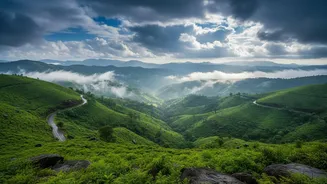
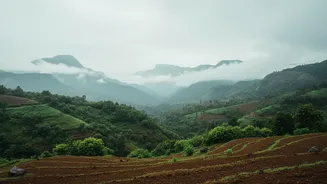
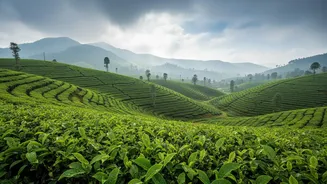
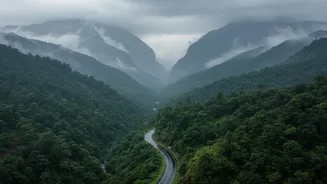
Not all destinations are equal during the monsoon. While the rains bring lush greenery, they also increase risks in certain areas. Hilly and mountainous regions in states like Uttarakhand, Himachal Pradesh, and parts of the Northeast are prone to landslides and roadblocks. It might be wise to postpone that Himalayan trek. Instead, consider destinations with better infrastructure to handle rainfall or those that are less affected. Beaches can also be risky, as high tides and strong currents often lead to closures. If your heart is set on a specific region, research its specific conditions thoroughly and have a flexible itinerary. A shorter trip to a destination closer to home can also minimize travel time and potential disruptions.
Your Digital and Physical Toolkit
Modern technology is a traveler's best friend during the monsoon. Download reliable weather apps for real-time updates. Use mapping services that show live traffic and road closures. Keep digital copies of your ID, tickets, and hotel bookings in the cloud. Just as important is your physical toolkit. Pack a waterproof backpack or at least a durable rain cover. Opt for synthetic, quick-drying clothes instead of cotton or jeans, and always carry an extra pair. A sturdy, windproof umbrella and a reliable raincoat are non-negotiable. Also essential are waterproof footwear like sandals or floaters, a power bank for your devices, and a basic first-aid kit with mosquito repellent.
Safety on the Road
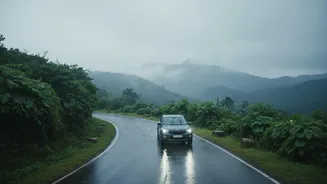
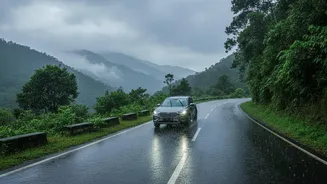
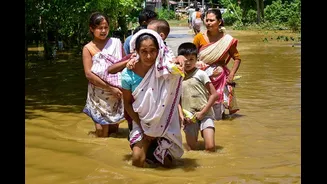
If you are driving, extra caution is paramount. Reduce your speed significantly, as wet roads increase stopping distances and the risk of hydroplaning. As a rule, double your following distance from the vehicle in front to at least four or five seconds. Never use cruise control in the rain, as you need to be in complete control of your vehicle's speed. One of the most important rules is to never drive through standing or flowing water on the road; it is often much deeper than it appears and can stall your vehicle or sweep it away. Ensure your car is serviced, with special attention to tyres, brakes, and windscreen wipers before you start your journey. And always use your low-beam headlights to improve visibility for yourself and others.
Health and Itinerary Flexibility
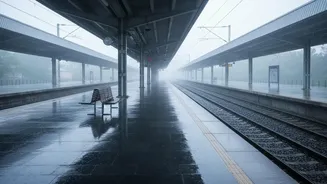
Monsoon travel isn't just about staying dry; it's about staying healthy. The risk of water-borne diseases increases during this season, so stick to bottled or purified water and be cautious about street food. Mosquitoes are also more prevalent, so use repellent, especially in the evenings. Finally, the most important travel accessory is a flexible mindset. Delays are common during the monsoon, whether due to a delayed flight or a blocked road. Build buffer time into your schedule. If you get stuck, don't let it ruin your trip. Use the downtime to relax, read a book, or enjoy the view from your hotel room with a hot cup of chai. The key is to be prepared for changes and prioritize safety over sticking to a rigid plan.