








The Morning Fibre Advantage
Fibre, the indigestible part of plant-based foods, is a powerhouse nutrient for your first meal of the day. Unlike simple carbohydrates that cause a rapid spike and crash in blood sugar, fibre slows down digestion. This leads to a steady release of energy,
keeping you feeling full, focused, and energised until lunch. A high-fibre start also kickstarts your digestive system, promoting regularity and preventing constipation. Furthermore, soluble fibre, found in foods like oats and beans, plays a crucial role in managing blood sugar and can help lower cholesterol levels, contributing to long-term heart health.
Are You Getting Enough?
According to the Indian Council of Medical Research (ICMR), an adult's daily diet should contain about 30-40 grams of dietary fibre. However, studies show that many urban Indians consume only about 15 grams per day, falling significantly short. This gap is linked to a higher intake of processed foods and refined grains like maida and white rice. A low-fibre diet can contribute to issues like poor digestion, weight gain, fluctuating blood sugar levels, and an increased risk of chronic diseases. Making a conscious effort to include more fibre, especially in the morning, can be a transformative step for your overall health.
Beyond the Oatmeal Bowl
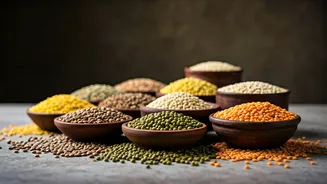
While oats are an excellent source of fibre, the Indian culinary landscape is rich with other fantastic options. Millets like ragi (finger millet), jowar (sorghum), and bajra (pearl millet) are fibre-rich grains that can be used to make dosa, upma, or rotis. Pulses and legumes are also stellar choices. A besan or moong dal chilla (savoury pancake) not only provides fibre but also a healthy dose of protein. Swapping white rice idlis for those made with brown rice or adding sprouted moong to your poha are other simple yet effective upgrades. Don't forget to load up on vegetables in dishes like upma or sambar to further increase your fibre intake.
Simple Swaps for a Fibre-Rich Start
Increasing your morning fibre doesn't require a complete diet overhaul. Small, consistent changes can make a big difference. Consider these easy swaps: replace white bread with whole-wheat or multigrain bread for your toast. Instead of sugary cereals, opt for a bowl of dalia (broken wheat) or millet porridge topped with fruits and nuts. Adding a tablespoon of ground flaxseeds or chia seeds to your smoothie, yoghurt, or even chilla batter is an effortless way to boost fibre content. When making parathas, try stuffing them with grated vegetables like lauki (bottle gourd) or cauliflower instead of just potatoes.
A Gentle Approach is Key
If your current diet is low in fibre, it's important to increase your intake gradually over a few weeks. A sudden jump can lead to temporary digestive discomfort like bloating or gas. As you add more fibre, be sure to drink plenty of water throughout the day. Fibre works best when it absorbs water, which helps soften stool and ensures it moves smoothly through your digestive system. Spreading your fibre intake throughout the day, rather than concentrating it all in one meal, can also help your body adjust more comfortably.