







Why Monsoons Demand a New Grocery Game Plan
The rainy season creates the perfect environment for mould, bacteria, and pests to thrive. High humidity, which can range from 70% to 90% in India during this time, accelerates food spoilage. Items that stay fresh for weeks in drier weather can turn bad
in days. Cooked rice, dairy products, and even dry goods like flour and spices are highly susceptible. Improper storage during the monsoon is a significant contributor to foodborne illnesses and kitchen waste. This is why the old habit of stocking up the pantry for a month needs a rethink. The risk of contamination and decay is simply too high, making a new approach essential for both health and budget.
Embracing the 'Shorter Storage' Philosophy
The most effective way to fight monsoon spoilage is to shorten the time food spends in your pantry. A 'shorter storage' plan means shifting from large, infrequent grocery hauls to smaller, more targeted trips. The goal is to buy only what you need for a few days to a week. This strategy is particularly important for perishables. Instead of buying atta or spices in large packs, opt for smaller quantities that can be used up quickly before they absorb moisture. This approach not only ensures fresher ingredients but also drastically reduces the chances of discovering mouldy bread, clumpy sugar, or infested grains. It requires a bit more planning but pays off by preserving the flavour, safety, and quality of your food.
Your Checklist for Fresh Produce
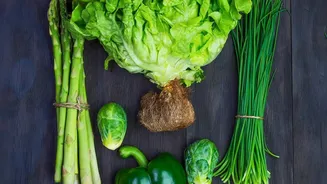
Not all vegetables and fruits handle humidity well. Leafy greens, for instance, are prone to rotting quickly. If you do buy them, wrap them in paper towels to absorb excess moisture before refrigerating. It's wiser to focus on seasonal monsoon vegetables that are naturally hardier. Gourds like lauki (bottle gourd), karela (bitter gourd), and parwal (pointed gourd) are excellent choices. Fruits such as jamun, plums, pears, and litchis are at their peak and packed with immunity-boosting nutrients. When shopping, avoid buying pre-cut vegetables and fruits, as the exposed surfaces are magnets for bacteria. Always wash produce thoroughly just before cooking, not before storing, to prevent accelerating decay with excess moisture.
Airtight is Everything for Pantry Staples
For dry goods, the enemy is ambient moisture. Transfer all staples like rice, dals, flours, sugar, and salt into completely dry, airtight containers immediately after purchase. Leaving them in their original paper or plastic bags is an open invitation for humidity to seep in, causing clumping and spoilage. High-quality glass or steel containers with tight-sealing lids are your best defence. For an extra layer of protection with grains and pulses, add a few dried bay leaves or neem leaves to the container to help deter pests. Remember to always use a dry spoon when scooping ingredients, as even a small amount of water can compromise an entire jar.
Foods to Buy in Limited Quantities
Certain foods are especially vulnerable during the monsoon and should be purchased in very small amounts. Bread and other bakery products can grow mould quickly and are best bought for immediate consumption. Dairy products like milk, paneer, and yoghurt spoil rapidly and should be refrigerated promptly and used within a day or two. The same rule applies to meat and seafood, which are highly perishable and require immediate and thorough cooking. Avoid stocking up on fried snacks or namkeen, as they lose their crunch and turn soggy almost overnight in the humid air unless sealed in an airtight jar immediately after opening.
Smart Habits for Monsoon Shopping
Beyond what you buy is how you manage it. Before you even head to the store, do a quick audit of your pantry and fridge to see what needs to be used up first. Plan your meals for the next few days around these items to minimise waste. At the market, carefully inspect packaging for any signs of moisture damage. When you get home, make it a priority to store everything properly right away. Keep your kitchen well-ventilated to reduce overall humidity and regularly clean your refrigerator, as condensation can create a breeding ground for mould. These simple habits, combined with a shorter storage mindset, will ensure your kitchen remains a source of fresh, healthy meals all season long.