



What is Food Fortification?
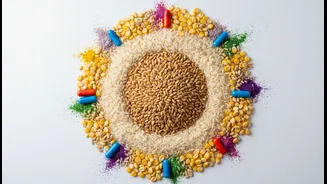
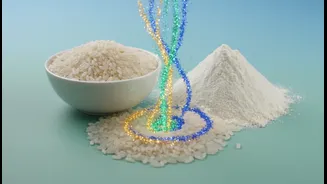
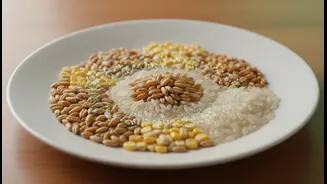
Food fortification is the process of adding small, safe amounts of essential micronutrients—like iron, folic acid, vitamin D, and iodine—to staple foods that are widely consumed by the population. The goal is to improve the nutritional quality of the food supply
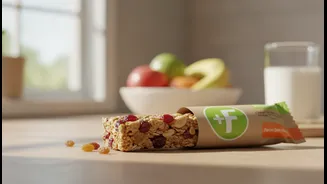
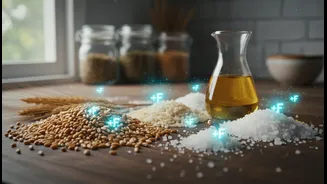
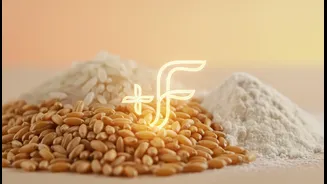
and address deficiencies without requiring people to change their eating habits. In India, you might see this in staples like rice, wheat flour, salt, milk, and edible oil, often identifiable by a '+F' logo. This strategy has been used globally for decades to tackle 'hidden hunger,' a term for micronutrient deficiencies that can have serious health consequences.
India’s Ambitious Fortification Push
India faces a significant burden of malnutrition, with high rates of conditions like anemia and vitamin deficiencies. To address this, the government, guided by the Food Safety and Standards Authority of India (FSSAI), has scaled up food fortification, particularly through its vast social safety nets. A major initiative involves distributing iron-fortified rice through the Public Distribution System (PDS), Mid-Day Meal scheme, and ICDS (Anganwadi) centres. The plan, announced in 2021, aimed to cover all government rice distribution schemes by 2024, making it one of the largest fortification programs in the world. The logic is simple: use the existing, extensive food distribution network to deliver crucial nutrients to hundreds of millions of people.
The Case for Fortification
Proponents argue that fortification is a scientifically proven, cost-effective, and scalable way to combat widespread micronutrient deficiencies. When a large portion of the population consumes staples like rice and wheat daily, adding nutrients at the source can have a broad public health impact. It's seen as a form of 'nutritional insurance' that protects against deficiencies, especially for vulnerable groups like women and children. Studies have shown its potential; a pilot in Odisha, for example, saw a 20% reduction in anemia rates among schoolchildren who received fortified rice. The cost is also relatively low, often adding just 1-2% to the final price of the food, making it an economically viable intervention.
A Growing Chorus of Concerns
Despite its promise, the push for mandatory fortification has drawn criticism from a section of scientists and activists. A key concern is that it is not a 'magic bullet'. Critics argue that not all anemia is caused by iron deficiency, so iron-fortified rice may have limited impact while overlooking other nutritional and health issues. There are also concerns about potential health risks. For individuals with conditions like thalassemia or sickle cell anemia, excess iron can be toxic. Others worry about the risk of 'hypervitaminosis'—an overdose from consuming too many fortified products, especially fat-soluble vitamins like A and D which are stored in the body. Some experts also point out that the focus on fortification could divert attention and resources away from promoting dietary diversity, which is the most natural and sustainable way to get a full spectrum of nutrients.
Finding the Right Balance
The debate highlights a central tension: fortification is a powerful tool, but it's not a substitute for a balanced and diverse diet. Health advocates emphasize that a diet rich in fruits, vegetables, millets, and animal products is the ultimate solution to malnutrition. Relying too heavily on a few fortified staples could inadvertently discourage dietary diversity. Furthermore, recent operational challenges have surfaced. In early 2026, the government paused procurement for its rice fortification scheme, reportedly due to studies showing that micronutrients could lose stability during long-term storage, limiting their effectiveness. This pause underscores the complexity of implementing such a large-scale program and the need for continuous evaluation. The focus is shifting towards viewing fortification as one important component within a broader, multi-pronged strategy for nutritional security.