




A Feast for the Eyes
A quiet revolution is reshaping the world of Indian sweets. Gone are the days of sweets simply being piled high on trays; today, mithai is getting a gourmet makeover that is as much about visual appeal as it is about taste. [2] Think of barfis infused
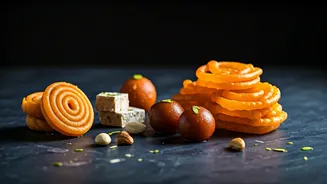
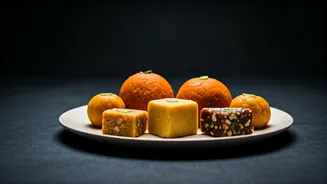
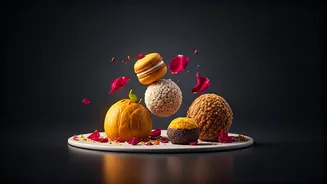
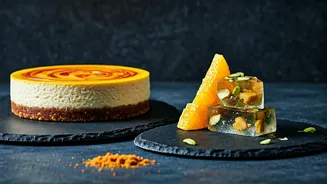
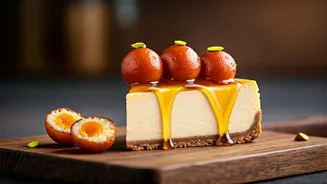
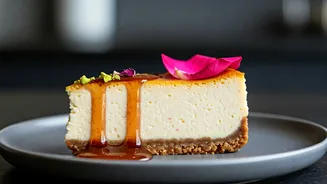
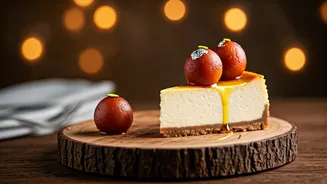
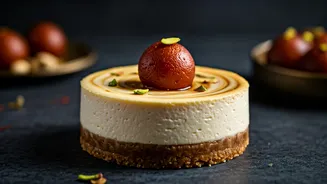
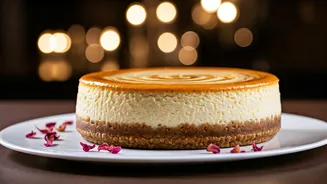
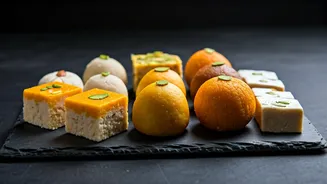
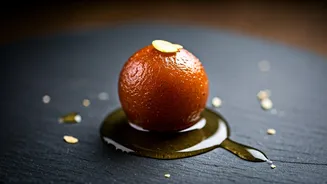
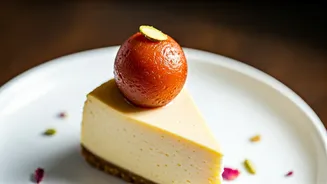
with lavender, laddoos shaped like truffles, and classic sweets presented with the finesse of French pastries. [8] Artisanal brands are meticulously crafting each piece to be a miniature work of art, using techniques and presentation styles that elevate them into luxury products. [2, 9] This new aesthetic is thoughtful and refined, transforming traditional celebratory bites into Instagrammable-creations that capture the attention of a new, digitally-savvy audience. [6, 8]
The Power of a Memory
This trend is powered by one of the most potent marketing tools: nostalgia. [17] For many, the taste and smell of traditional mithai are deeply connected to family, festivals, and happy memories. [8] By tapping into these powerful emotions, modern confectioners are doing more than just selling a product; they are selling a feeling. [17, 18] In a fast-paced world, consumers are increasingly drawn to products that remind them of simpler, cherished times. [17, 22] This new wave of mithai offers a perfect blend of comfort and novelty—the familiar taste of home presented in a fresh, exciting form that feels both authentic and sophisticated. [7, 21] This emotional connection fosters stronger brand loyalty and makes the indulgence feel more meaningful. [17]
The Artisans Blending Old and New
Across India, a host of innovative brands are leading this sweet transformation. Brands like Bombay Sweet Shop have become famous for reimagining classics with creative flair, such as their Kaju Marzipan Bon Bons which offer a chocolatey take on the classic kaju katli. [9, 10] Others, like Nihira, are pushing boundaries with unconventional options like Mojito Laddoos. [8] Gur Chini caters to the health-conscious by using natural sweeteners like stevia and dates, while Arq is known for its unexpected flavour profiles like besan truffle and caramel pedha. [8, 12] These brands are not trying to replace the beloved neighbourhood halwai, but are instead adding a new, gourmet dimension to the world of Indian sweets, proving that tradition and innovation can coexist beautifully. [7, 9]
More Than a Sweet Tooth: The Business Angle
This evolution is a savvy business strategy driven by changing consumer tastes. [8] The modern consumer is often health-conscious, aesthetically driven, and looking for unique flavour fusions. [8] This has given rise to mithai made with premium and organic ingredients, from high-end nuts like hazelnuts to superfoods like quinoa and chia seeds. [2, 4] Packaging has also seen a major upgrade, moving from simple cardboard boxes to elegant, custom-designed gift packages that enhance the luxury experience. [3, 5, 15] This premiumisation allows brands to command higher prices, turning mithai from a seasonal commodity into a year-round luxury indulgence. [16] The focus on visual appeal also makes these products highly shareable on social media, generating organic marketing and buzz. [6]