





Your Essential Starter Kit
Starting your indoor herb garden is simpler than you think. The first step is to gather the right supplies. You will need a few small to medium-sized containers, each with drainage holes at the bottom to prevent water from logging at the roots, which
is a common reason for plants failing. Terracotta pots are an excellent choice as they are porous and allow roots to breathe. Next, choose a good quality potting mix. Avoid using heavy garden soil, which compacts easily and can suffocate the roots. A light, well-draining potting mix, often containing cocopeat, perlite, and compost, is ideal for container herbs. Finally, identify the sunniest spot in your home. A south-facing windowsill that receives at least four to six hours of sunlight is perfect for these sun-loving herbs. If sunlight is limited, you can rotate the pots every few days to ensure even growth.
Caring for Sacred Tulsi
Tulsi, or Holy Basil, is a staple in many Indian homes and a rewarding plant to grow indoors. It thrives in warmth and light, needing about four to six hours of direct sunlight daily to produce fragrant leaves. Insufficient light can lead to a 'leggy' plant with weak flavour. When it comes to watering, Tulsi is sensitive to having 'wet feet'. The golden rule is to water only when the top inch of soil feels dry to the touch. Overwatering is a common mistake and can quickly lead to root rot. To encourage a bushier, fuller plant, regularly pinch off the flowering heads (manjari) as they appear. This directs the plant's energy into producing more leaves rather than seeds. During cold winter days, ensure your Tulsi pot isn't touching a cold windowpane, as it's sensitive to drafts and frost.
Growing Versatile Mint
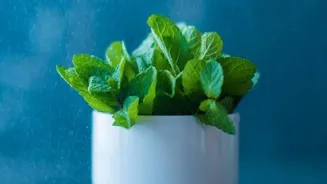
Mint, or pudina, is one of the easiest and most forgiving herbs to grow, making it perfect for beginners. You can easily start a new plant from a few thick stems purchased from the market. Simply place the stems in a glass of water, and within a week or so, you should see small white roots forming. Once the roots are an inch long, you can plant them in a pot. Mint is not as demanding about sunlight as Tulsi and can do well with a few hours of morning sun followed by afternoon shade. It prefers soil that is consistently moist but not waterlogged. The most important thing to remember about mint is its aggressive nature; it spreads quickly through underground runners. For this reason, it is crucial to grow it in its own container to prevent it from taking over your other plants.
Mastering Fresh Coriander
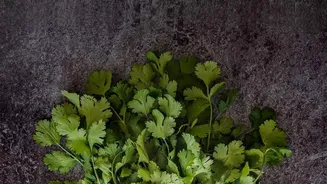
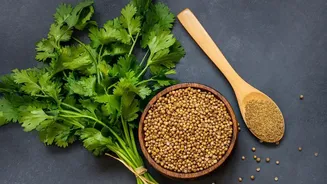
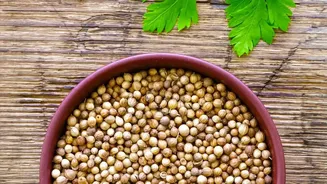
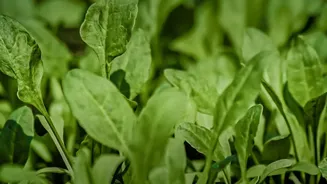
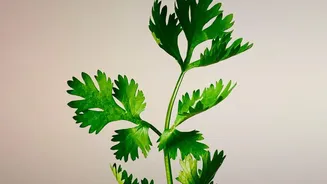
Fresh coriander, or dhaniya, is essential to Indian cuisine, but it can be tricky to grow, especially in hot weather. The good news is that coriander actually prefers cooler temperatures, which makes a winter windowsill an ideal location. Unlike Tulsi and mint, it's best to grow coriander directly from seeds rather than transplanting seedlings, as its roots dislike being disturbed. Many people use whole coriander seeds from the kitchen, but splitting them gently into two halves before sowing can improve germination rates. Sow the seeds about half an inch deep in your pot. Coriander has a tendency to 'bolt' (flower quickly) in hot conditions, which stops leaf production. To ensure a continuous supply of leaves, consider sowing a new batch of seeds every few weeks. Harvest the outer leaves as needed, which will encourage the plant to keep producing more foliage.
Daily Care and Harvesting
Once your windowsill garden is set up, a little regular care will keep it thriving. Check your plants every couple of days to see if they need water, rather than sticking to a rigid schedule. The 'finger test' — checking if the top inch of soil is dry — is the most reliable method. When you do water, do so thoroughly until it runs out of the drainage holes, but be sure to empty any excess water from the saucer underneath. To promote lush, bushy growth, harvest your herbs regularly by pinching or snipping off the top leaves. This encourages the plant to branch out instead of growing tall and thin. For Tulsi and mint, this means you'll get a fuller plant, and for coriander, it can help delay bolting. A monthly feed with a light, organic liquid fertilizer can provide the necessary nutrients, but avoid over-fertilizing, as it can diminish the flavour of the herbs.