



The Psychology of Urban Overload
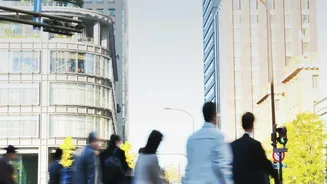
One of the most compelling explanations for the perceived coldness of big cities is a concept called 'urban overload hypothesis'. First proposed by social psychologist Stanley Milgram in the 1970s, the theory suggests that people in dense, high-stimulus
environments are constantly bombarded with sights, sounds, and social encounters. To cope, they subconsciously learn to tune things out. They create a psychological buffer by avoiding eye contact, keeping conversations brief, and generally filtering out non-essential interactions. This isn't because they are inherently unfriendly; it's an adaptive mechanism to prevent becoming mentally overwhelmed. In a megacity, a person might pass thousands of people on their daily commute. Engaging with even a fraction of them would be exhausting. So, the hurried pace and averted glances aren't a personal slight, but a survival strategy for navigating a chaotic environment.
A More Manageable Pace of Life
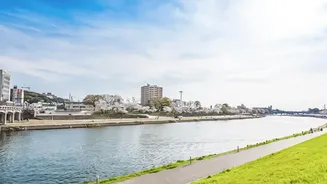
Mid-sized cities, often defined as having populations between 100,000 and 500,000, simply operate on a different frequency. Life tends to be slower, commutes are shorter, and daily life is less of a frantic rush. This slower pace leaves residents with more mental and emotional bandwidth. They aren't as constantly besieged by stimuli, which allows for more spontaneous and genuine social interactions. Think about the simple act of asking for directions. In a less-rushed setting, someone is more likely to have the time and mental space to not only help but perhaps even share a local tip. This difference in pace fosters an environment where casual kindness isn't a disruption, but a natural part of the day.
The Power of Community and Reputation
Anonymity is a defining feature of a megacity. You can live there for years and never know your neighbours. In a mid-sized city, that anonymity is greatly reduced. People are more likely to encounter each other repeatedly at the grocery store, local parks, or community events. This creates what sociologists call 'weak ties', a network of casual acquaintances that strengthens the overall sense of community. Reputation matters more when you're likely to see the same faces again. There is a greater incentive to be polite and helpful because your actions are more visible and memorable within a smaller social ecosystem. This tight-knit fabric often extends to local businesses, which are more likely to be owned by community members, fostering a culture of mutual support and recognition that a visitor can often feel.
Less Transient, More Invested
Large metropolitan areas often have highly transient populations, with people moving in and out for jobs or education. This can make it difficult to form deep, lasting connections, as there's a sense that relationships might be temporary. In contrast, mid-sized cities often have a more stable population, with residents who are more invested in their community for the long term. This stability contributes to a stronger sense of belonging and collective ownership. People are more likely to volunteer, participate in local events, and take pride in their city’s reputation for being a good place to live. For a visitor, this translates into interacting with people who are genuinely happy to share their hometown and welcome others into it.
The Goldilocks Zone of Amenities
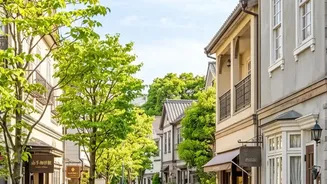
While megacities offer an endless array of options, it can be overwhelming. Mid-sized cities often hit a 'just right' balance. They are large enough to support a vibrant cultural scene, diverse restaurants, and unique shops, but small enough that these amenities feel accessible and not over-saturated. This allows for a higher quality of life without the extreme costs and competition found in major hubs. People who live in these cities often feel they have the best of both worlds: the opportunities of urban life without the significant drawbacks. This general satisfaction and lower stress level can contribute significantly to a more positive and open disposition, which is the very essence of hospitality.