





The Hidden Dangers of Chemical Sprays
Commercial pesticides are designed to be toxic to the pests they target. The problem is that these chemicals don't just disappear. They can leave residues on the leaves and stems of your herbs. Even if a product is used by commercial farmers, the specific
formulations sold for home garden use are often not approved for edible plants. Spraying an unapproved product on your basil or mint means the risk to your health is unknown, as no safe consumption level has been established. Some pesticides are systemic, meaning the plant absorbs them through its roots and distributes them throughout its tissues, making them impossible to wash off. Beyond direct health concerns, which can range from skin irritation to more chronic issues with long-term exposure, these chemicals can overpower the natural essential oils that give herbs their wonderful fragrance and flavour, defeating the purpose of growing them in the first place.
Prevention: Your First Line of Defence
The best way to deal with pests is to create a garden environment where they don't thrive to begin with. Healthy plants are naturally more resilient. Start with good quality soil rich in organic matter. Ensure your herbs have proper spacing for good air circulation, which helps prevent fungal diseases like mildew. Water your plants at the base to keep the leaves dry, and do so in the morning so any splashes can evaporate. A strong, healthy herb is less likely to attract a major infestation. Also, consider the power of companion planting. Strategically placing certain plants together can deter pests. For example, the strong scent of marigolds, chives, or onions can help keep pests like aphids away from more delicate herbs. Attracting beneficial insects like ladybugs and lacewings, which prey on common pests, can also create a natural balance in your garden.
Safe & Natural Pest Control Solutions
When pests do appear, there are numerous effective and organic options that won't compromise the safety or quality of your herbs. Neem oil is a popular choice derived from the seeds of the neem tree. It acts as a repellent and also disrupts the life cycle of many insects like aphids, whiteflies, and spider mites, but it is considered non-toxic to birds and mammals. Horticultural oils and insecticidal soaps work on contact to smother soft-bodied insects. These are generally safe for edible plants, though it's always wise to test them on a small part of the plant first. Another physical deterrent is diatomaceous earth, a fine powder made from fossilized algae. Sprinkling it around the base of your plants creates a barrier that is abrasive to crawling insects like slugs and snails, effectively stopping them in their tracks.
Easy DIY Sprays from Your Kitchen
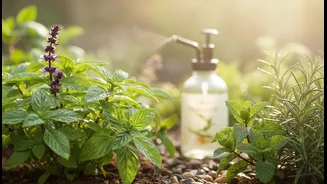
You can create powerful, safe pest deterrents using common household ingredients. One of the simplest is a basic insecticidal soap. Mix a couple of tablespoons of a pure liquid soap (like castile soap, avoiding detergents with bleach) with a gallon of water. Some recipes also add vegetable oil, which helps the mixture stick to leaves and pests. A garlic-based spray is another excellent choice for repelling a wide range of insects, particularly aphids. The strong sulfur compounds in garlic are a natural deterrent. You can create a potent mix by steeping chopped garlic cloves in mineral oil overnight, then straining the oil and mixing a small amount with water and a bit of soap. These homemade sprays should be applied every one to two weeks, and always reapplied after rain for continued effectiveness.