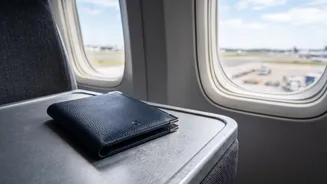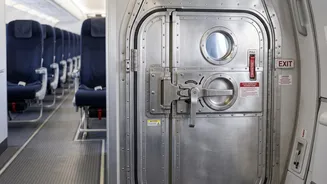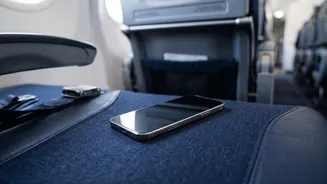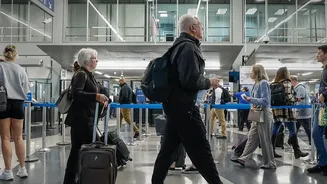







It’s a moment of pure panic: you’ve just deplaned and realise your phone, wallet, or headphones are still in the seat pocket. Your first instinct is to turn back, but it's not that simple. Here's why you usually can't just go back on board.
The Race Against the Clock
The primary
reason you can't re-board is time. Aircraft operate on incredibly tight schedules. The moment a plane arrives at the gate, a process called 'turnaround' begins. This involves cleaning, refuelling, catering replenishment, and maintenance checks, all happening simultaneously to prepare for the next flight, which might already be boarding. This entire sequence is a highly coordinated dance designed for speed and efficiency, often completed in as little as 30 to 60 minutes. Allowing a passenger back on would disrupt this flow, creating delays that can have a cascading effect across the airport's schedule for the rest of the day.
Security is Non-Negotiable
Once you step off an aircraft and into the terminal, you have left a secured zone. Allowing passengers to re-enter is a significant security concern for airlines. After passengers deplane, crew members and cleaning staff conduct a security sweep to ensure nothing suspicious has been left behind. Letting people back on complicates this process, making it difficult to maintain the sterile integrity of the cabin before the next set of passengers boards. Airlines must keep a precise count of who is on board at all times; letting someone re-enter after being checked out confuses the official passenger manifest and breaks established security protocols.
The Journey of a Lost Item
When the cleaning crew finds an item, their job is to collect it and hand it over to the airline's ground staff or the designated lost and found department. It is then logged into a database. However, the jurisdiction can be confusing. An item left on the plane is the airline's responsibility, while an item lost in the terminal (like at security or the gate) is handled by the airport's central lost and found. If the plane has a quick turnaround, your item might even travel to the next destination before being logged, adding another layer of complexity to its recovery.
So, What Should You Do?
Act fast. If you realise you've left something behind while still on the jet bridge or at the gate, notify a gate agent or flight attendant immediately. They are your best chance for a quick recovery, as they can contact the crew still on board. If you've already left the gate area, go to the airline's baggage service desk in the arrivals hall. If you've left the airport, your next step is to file a lost item report online through the airline's official website. Be as detailed as possible in your description: include your flight number, seat number, and unique features of the item like brand, colour, or serial numbers to increase the chances of a match.
The Fate of Unclaimed Belongings
Airlines and airports do their best to reunite owners with their lost property. However, they can't store items indefinitely. Most airports and airlines hold onto items for a period of 30 to 90 days. For items left at security checkpoints, the TSA also holds them for at least 30 days before they are disposed of or turned over to state agencies. After the holding period expires, unclaimed belongings are often donated to charity, destroyed, or sold at auction. Some items even end up at large resale stores that specialize in unclaimed property.