




The Power of Portion Awareness
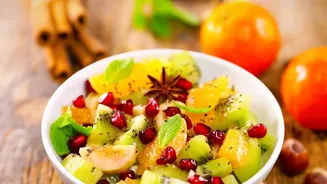
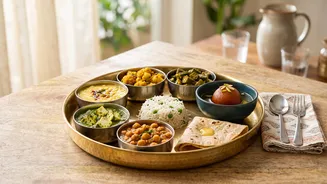
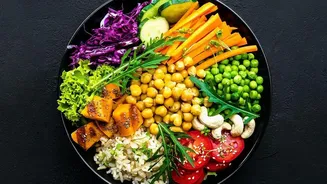
Managing festive eating doesn't mean you need to carry measuring cups to a party. Instead, it’s about making smarter choices with the space on your plate. A simple and effective strategy is the plate method. Aim to fill half your plate with vegetables
and fruits first. These foods are high in fibre and nutrients, which help you feel full and satisfied. The remaining half can be divided between lean proteins—like grilled chicken or fish—and starches, such as potatoes or whole-grain options. This approach ensures you get a balanced meal. Another tactic is to use a smaller plate, which can trick your brain into feeling satisfied with less food. Rather than avoiding your favourite rich dishes, simply take a smaller serving. This allows you to enjoy the taste without overindulging. It's about quality over quantity, letting you savour special treats in moderation.
Embrace Variety, Intelligently
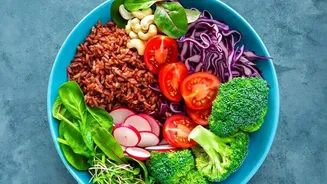
Festive spreads are a celebration of variety, and your plate should reflect that—mindfully. Eating a wide range of foods provides a broader spectrum of essential nutrients, which is crucial for overall health. When faced with a buffet, do a quick survey of all the options before you start filling your plate. This helps you make conscious decisions about what you truly want to eat, rather than piling on the first few things you see. Prioritise your absolute favourite festive dishes. By choosing to eat what you genuinely love, you’ll find more satisfaction in smaller amounts. This strategy is about making your calories count for maximum enjoyment. Incorporating a variety of colours on your plate, especially from different vegetables and salads, not only makes your meal visually appealing but also ensures you get a mix of vitamins and antioxidants. A diverse diet is also beneficial for gut health, promoting a healthy microbiome.
Decoding Your Body's Fullness Cues
One of the most powerful tools for managing eating is learning to listen to your body. Intuitive eating is an approach that focuses on your body's natural hunger and fullness signals rather than external rules. It takes about 20 minutes for your brain to receive the signal from your stomach that you are full. By eating slowly, you give your body the time it needs to register this feeling. Simple tricks include putting your fork down between bites, sipping water, and engaging in conversation during the meal. Before reaching for a second helping, pause for a few minutes. Ask yourself if you are still physically hungry or just eating because the food is there. Fullness is not just a stuffed feeling; it's a sense of comfortable satisfaction. Paying attention to these cues can prevent the sluggishness that often follows a large meal and helps you develop a healthier relationship with food.
Strategic Snacking and Hydration
Arriving at a celebration ravenously hungry can derail your best intentions, often leading to overeating. A common mistake is skipping meals to 'save' calories for a big feast, but this often backfires. Having a small, protein-rich snack—like a handful of nuts or a piece of fruit—before you go can curb extreme hunger and help you make more mindful choices. Staying hydrated is another simple yet effective strategy. Sometimes our brains can mistake thirst for hunger. Drinking a glass of water before a meal can help you feel fuller. It’s also wise to be mindful of liquid calories from sugary drinks and cocktails, which can add up quickly. Alternating alcoholic beverages with water can help you stay hydrated and moderate your intake.