



The Final Frontier of Research
For decades, the primary goal of space exploration was getting there. Now, for the Indian Space Research Organisation (ISRO), the focus is increasingly on what we can do once we are there. A key part of this new vision is microgravity research—the study
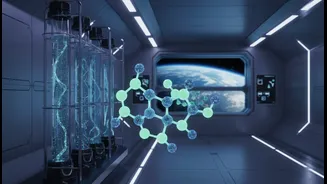
of phenomena in a near-weightless environment. In the absence of gravity, which masks or distorts many fundamental processes, scientists can observe the true behaviour of cells, crystals, fluids, and flames. This unique environment offers a pristine laboratory for discoveries that could have profound implications back on Earth, from developing new medicines to creating advanced materials. ISRO Chairman S. Somanath has emphasised that this field holds immense potential for breakthroughs in medicine and technology.
ISRO’s Two-Phase Space Laboratory
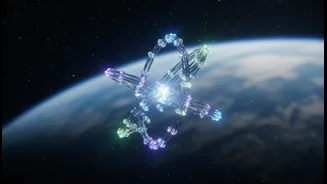
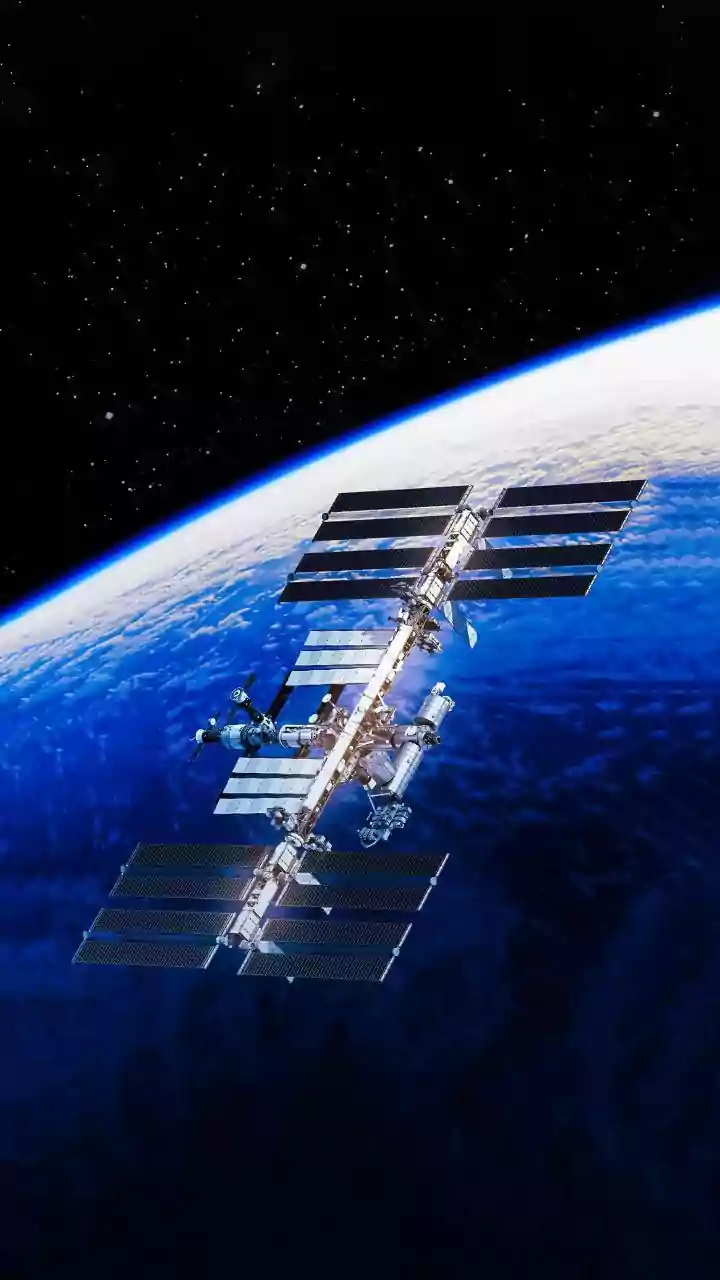
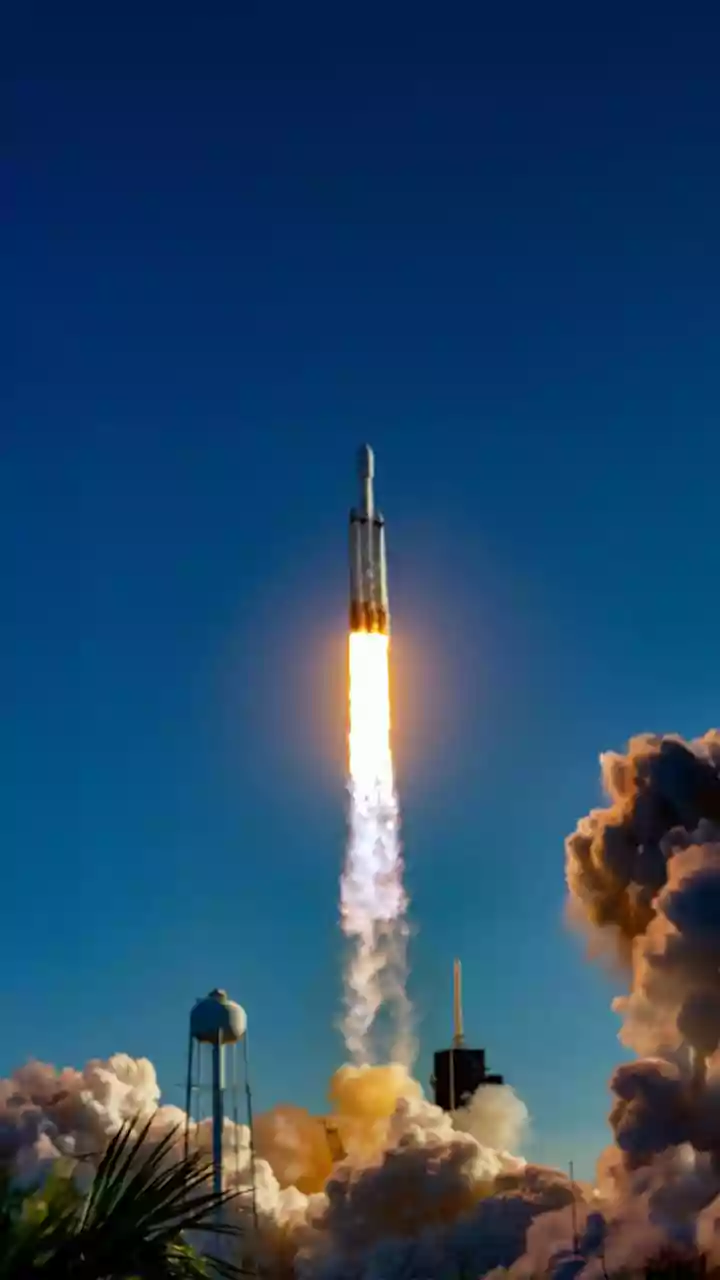
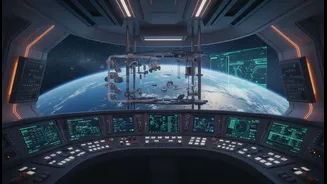
India's roadmap for harnessing microgravity is ambitious and unfolds in two major phases. The first involves the upcoming Gaganyaan missions. While primarily focused on demonstrating human spaceflight capability, these crewed flights will also serve as initial platforms for short-duration experiments. Astronauts will conduct a handful of biological and physical science experiments in the 400 km high orbit. However, the ultimate goal is the Bharatiya Antariksh Station (BAS), India's own modular space station planned for completion by 2035. This orbiting outpost is envisioned as a dedicated national laboratory for sustained, long-duration research in microgravity, giving Indian scientists a permanent address in space.
Unlocking Earthly Solutions in Space
The applications of microgravity research are vast. In medicine, space offers a unique vantage point to study human health. The way the human body responds to microgravity—with effects like muscle atrophy and bone density loss—mimics accelerated aging and certain diseases on Earth, providing novel models for study. Furthermore, ISRO is collaborating with the Department of Biotechnology to understand these effects for astronaut safety and terrestrial healthcare advances. The pharmaceutical industry sees huge potential in growing high-quality protein crystals in space for drug development, which can lead to more effective treatments for diseases like cancer. ISRO is already in discussions with pharmaceutical companies and healthcare organisations to explore these collaborations, which could support vaccine development and new diagnostic tools.
Advanced Materials and Future Technologies
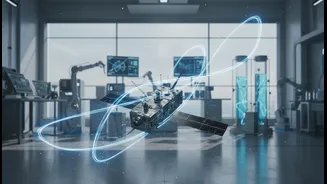
Beyond biology, microgravity is a game-changer for materials science. On Earth, gravity causes convection and sedimentation, which can introduce imperfections when mixing materials like metal alloys. In space, diffusion is the dominant process, allowing for the creation of more perfect, uniform, and unique materials that are impossible to produce on the ground. These next-generation materials could have applications in everything from defence and communications to green technologies. The Bharatiya Antariksh Station will serve as a crucial testbed for these innovations and for developing technologies needed for deeper space missions, including India's planned crewed lunar landing by 2040.
Building a National Space Ecosystem
To realise this vision, ISRO is actively fostering a domestic ecosystem. Through initiatives like the 'Announcement of Opportunity for Indian Microgravity Experiments' (IMEx-2026), the space agency is inviting proposals from academic institutions, research labs, and even startups. This strategy aims to build a pipeline of cutting-edge research that can eventually fly on ISRO platforms. ISRO Chairman S. Somanath has also pointed out the need for local manufacturing of high-tech medical equipment, suggesting that the same self-reliance model that powers India's space sector could spur innovation in healthcare technology. By establishing its own space station, India reduces its reliance on foreign platforms like the International Space Station (which is set to retire around 2030) and positions itself as a major player in the future space economy.