




Why Visit Mandu in the Monsoon?
While beautiful year-round, Mandu transforms into what locals call the 'City of Joy' during the rainy season. The scorching summer heat gives way to pleasant temperatures, and the entire plateau is covered in a carpet of green. The ancient stones of forts
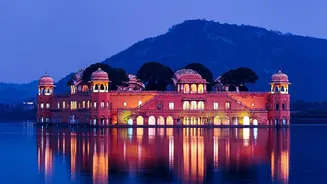
and palaces, washed clean by the rain, seem to whisper tales of their glorious past. The lakes and reservoirs fill to the brim, creating stunning reflections and making structures like the Jahaz Mahal appear to float. It's a time when history, romance, and nature converge, offering a truly immersive experience far from the madding crowds. The monsoon season, from July to September, is considered one of the best times to visit.
Getting There From Indore Affordably
Mandu is approximately 100 kilometres from Indore, making it a perfect weekend destination. The most budget-friendly way to travel is by bus. State-run and private buses ply regularly from Indore's Sarwate Bus Stand, with a one-way ticket costing around ₹100. The journey takes about two to three hours, winding through the scenic countryside of the Malwa region. For a slightly more comfortable ride, you can opt for a shared taxi. If you're travelling in a group, hiring a small taxi for a round trip can also be economical, with fares for a full day often starting around ₹2,500. It's best to start early from Indore to make the most of your day.
The Unmissable Monsoon Palaces
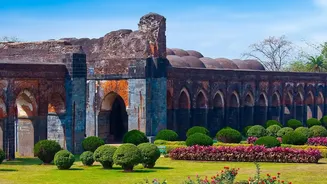
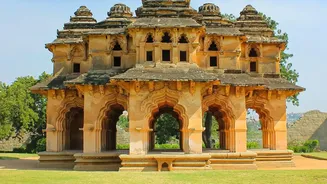
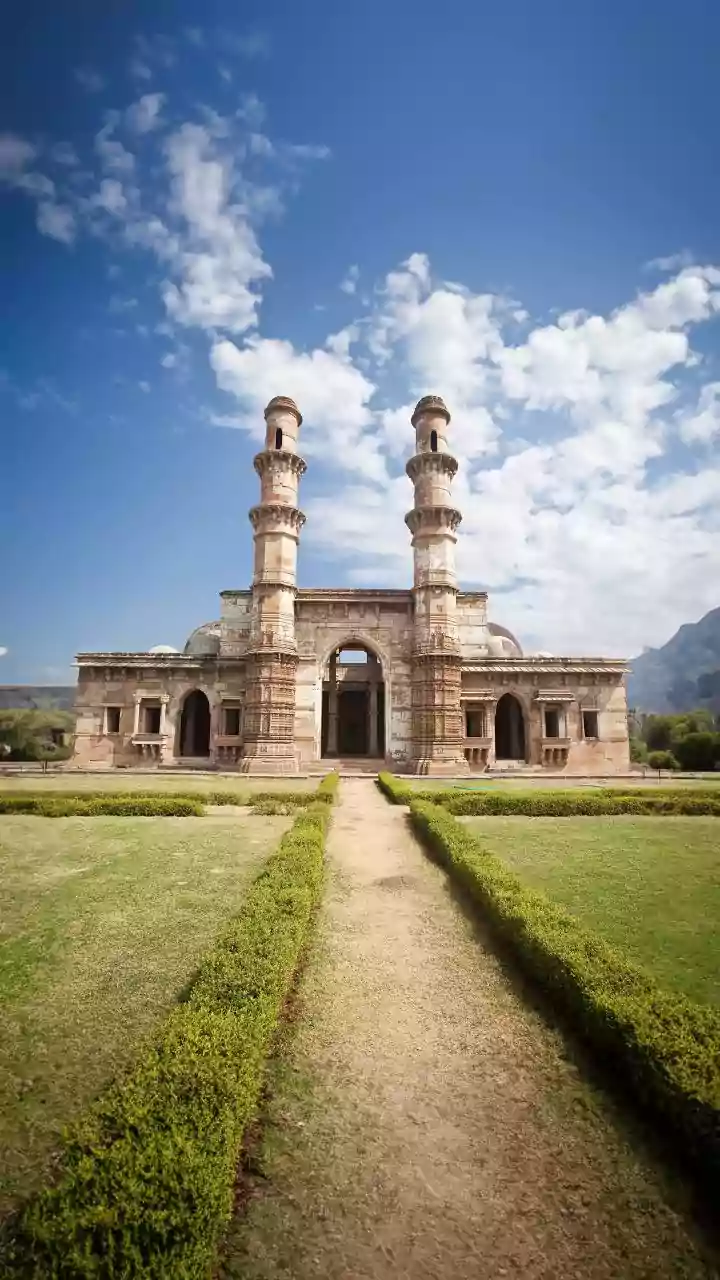
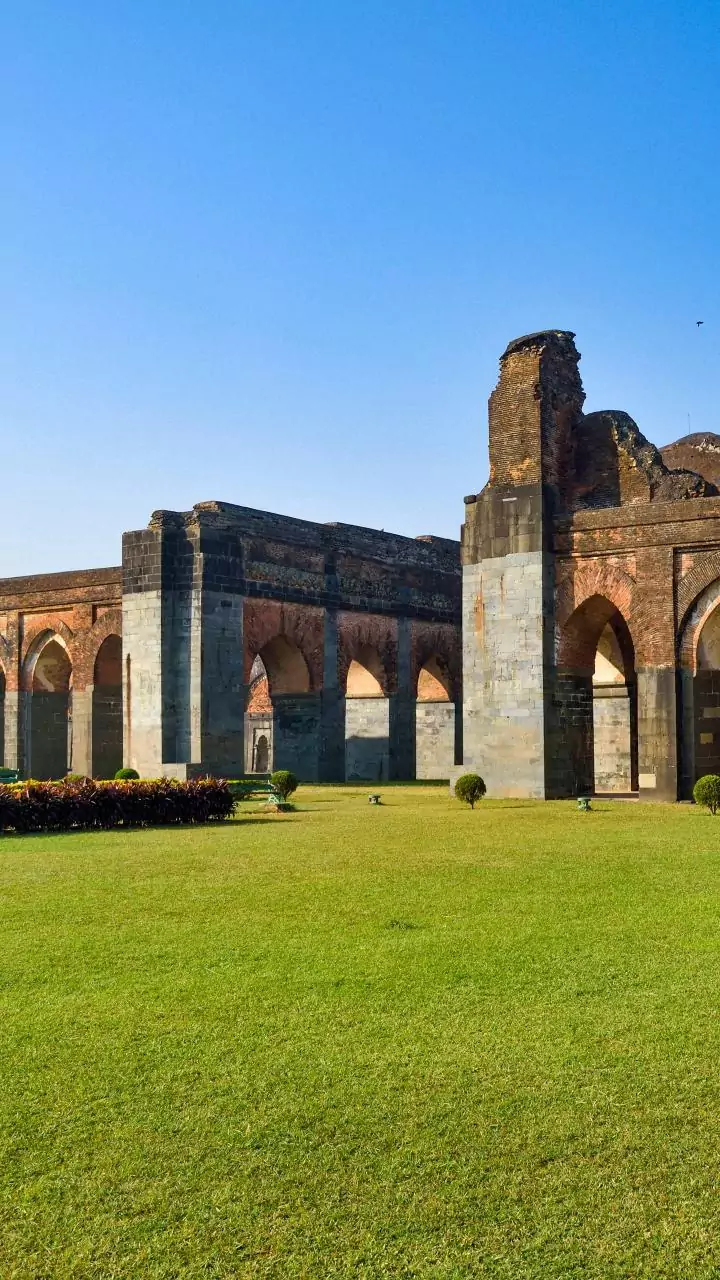
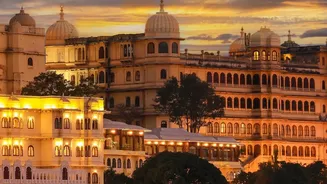
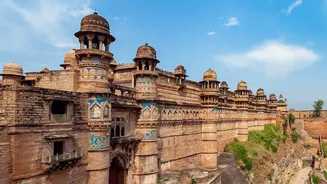
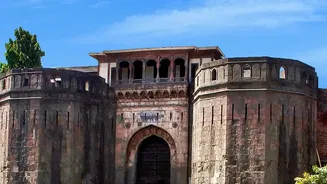
Mandu’s architecture is a stunning blend of Afghan, Mughal, and Hindu styles. The crown jewel is the Jahaz Mahal, or Ship Palace. Built in the 15th century, this long, narrow palace is flanked by two artificial lakes, the Munj and Kapur Talao, creating the illusion of a ship anchored in the water. Nearby is the Hindola Mahal, or Swing Palace, so named for its distinctive sloping side walls that create a sense of motion. But the heart of Mandu’s romance lies in Rani Roopmati's Pavilion. Perched on a southern cliff, this elegant structure was built for the queen of Sultan Baz Bahadur, offering breathtaking views of the Narmada river valley below. The Sultan’s own palace, Baz Bahadur's Palace, is located nearby and features spacious courtyards and halls.
The Enduring Legend of Roopmati and Baz Bahadur
You cannot visit Mandu without hearing the tragic love story that permeates its air. Sultan Baz Bahadur, the last independent ruler of Mandu, was an accomplished musician who fell in love with a beautiful and talented shepherdess named Roopmati. She agreed to come to his capital on the condition that she could live in a palace from where she could see her beloved Narmada River. The Sultan fulfilled her wish by building the Rewa Kund, a reservoir to supply water to her pavilion. Their love story was cut short when the Mughal emperor Akbar's general, Adham Khan, attacked Mandu. Baz Bahadur was defeated and fled, and to avoid capture, Rani Roopmati poisoned herself, forever cementing their tale in folklore.
Smart Spending on Your Trip
Mandu is exceptionally kind to the budget-conscious traveller. Entrance fees for most monuments are nominal for Indian citizens, often under ₹25. For accommodation, there are several budget-friendly options, including guesthouses and hotels run by Madhya Pradesh Tourism, like Malwa Resort, which offer comfortable stays without a hefty price tag. You can find rooms starting from as low as ₹800-₹1200 per night. When it comes to food, skip the fancy restaurants and dive into local Malwa cuisine at small eateries. You can have a filling and delicious meal of local specialities like dal bafla or poha and jalebi for a very small sum.