


The Kaapi That Shaped a Culture
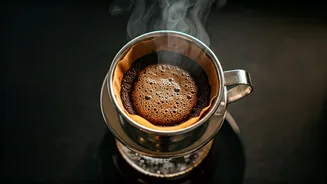
For many across South India, it’s a drink woven into the fabric of daily life and hospitality. Known as 'kaapi', filter coffee is more than just a beverage; it's a ritual. Its story reportedly begins in the 17th century with the Sufi saint Baba Budan,
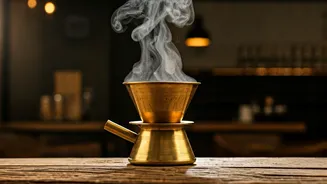
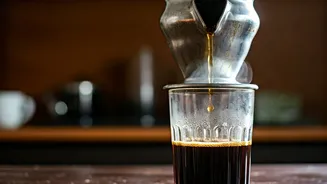
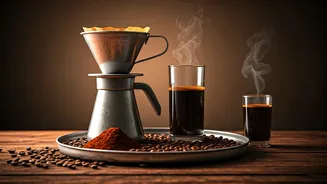
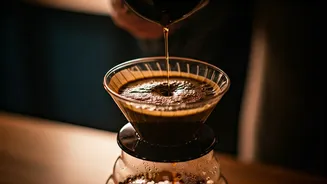
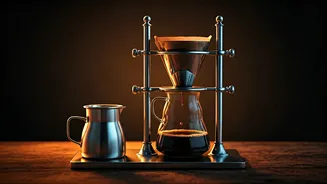
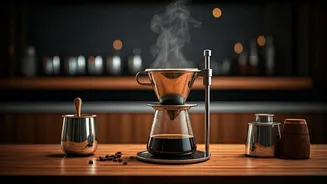
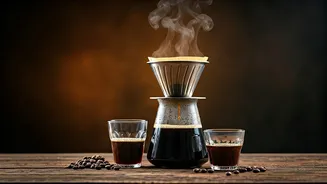
who is said to have planted seven coffee beans from Yemen in the hills of Chikmagalur, Karnataka, giving birth to India's coffee plantations. The brew we know today evolved over centuries, culminating in a unique method: a decoction brewed in a traditional metal filter, often blended with chicory for a distinctive, full-bodied flavour, mixed with hot, frothed milk, and served in a steel tumbler and 'dabara' (saucer). For decades, this was the undisputed king of coffee in Indian households, long before international café chains arrived.
The Instant Revolution
The 20th century brought change. The arrival of instant coffee, led by brands like Nescafé in the 1960s, introduced speed and convenience into the coffee-making process. Marketing jingles and the promise of a modern, easy-to-make cup appealed to a nation on the move. Traditional filter coffee, with its patient, slow-drip process, was suddenly competing with speed. While it remained a beloved staple in its heartland, the rise of instant coffee and, later, the wave of global café chains pushed filter kaapi into the background in the national imagination, framing it as a more traditional, home-bound drink.
A Modern-Day Renaissance
Today, the tide is turning in what some call a 'seismic shift' back to slow coffee. A new generation of Indians, primarily Millennials and Gen Z, is driving a powerful revival. Fuelled by a desire for authenticity, heritage, and premium experiences, these younger consumers are looking beyond generic lattes and rediscovering the soul of Indian coffee. This isn't just about nostalgia; it’s a cultural reawakening. The Indian coffee market is projected to see significant growth, with specialty coffee accounting for a remarkable portion of this expansion. People are craving a connection to their roots, and filter coffee offers a delicious link to the past.
New Avatars, Classic Soul
This comeback is not a simple repeat of the past; it’s a sophisticated rebranding. Filter coffee is now a premium product. Conversations around it have adopted the language of specialty coffee, focusing on single-origin beans, roasting profiles, and terroir. A wave of new-age entrepreneurs and home-grown brands are at the forefront, offering artisanal blends in slick, modern packaging. Chains like 'The Filter Coffee' are expanding rapidly across cities, some even using innovative, fully digital ordering systems. Simultaneously, the 'home barista' culture is booming, with consumers investing in traditional filters and high-quality powders to recreate the authentic experience at home. This revival has even seen the celebrated 80:20 coffee-chicory blend championed not as a cost-saving measure, but as an essential element for an authentic, full-bodied cup.