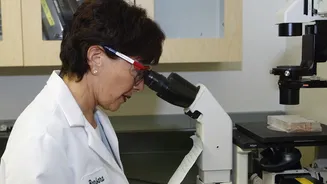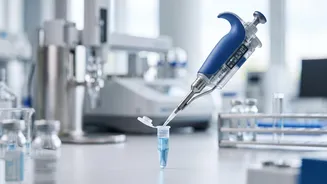








The future of cancer treatment may be deeply personal. An experimental technology from Indian biotech firm PopVax is pioneering a new frontier: vaccines designed not to prevent disease, but to treat it by targeting a cancer's unique genetic fingerprint.
What Are Personalized Cancer Vaccines?
Unlike preventative vaccines for diseases like measles or polio, therapeutic cancer vaccines are treatments for people who already have cancer. The goal is to train a patient's own immune system to recognize and attack cancer cells. The 'personalized' aspect takes this a step further. Every cancer has a unique set of genetic mutations, which create abnormal proteins on the surface of tumor cells called 'neoantigens'. These neoantigens are like a distinct flag that identifies the cell as cancerous. A personalized vaccine analyzes a patient's specific tumor, identifies these unique flags, and then teaches the immune system to hunt them down, leaving healthy cells alone.
How Does PopVax Fit In?
PopVax is a Hyderabad-based biotechnology company that has developed a cutting-edge platform to create these personalized treatments. On October 30, 2026, the company launched its 'RNA Foundry', a facility designed to produce personalized mRNA cancer vaccines. Using the same mRNA technology that powered some COVID-19 vaccines, PopVax aims to create treatments tailored to individual patients. The company has already gained international recognition, receiving support from organizations like the Gates Foundation and the US Biomedical Advanced Research and Development Authority (BARDA) for its vaccine development platforms.
The AI-Powered Design Process
Creating a vaccine for each patient is a complex, multi-step process. First, a sample of the patient's tumor is taken and its DNA is sequenced to find the specific mutations. This is where PopVax's advanced technology comes into play. The company uses artificial intelligence and machine learning models to analyze the tumor data and predict which neoantigens will trigger the strongest immune response. Once the best targets are selected, the company manufactures a custom mRNA vaccine that contains the instructions for the patient's body to produce those specific neoantigens. This essentially gives the immune system a 'wanted poster' for the cancer cells.
From Lab to Patient
The entire process, from receiving tumor data to shipping a finished vaccine, is projected to take around eight to ten weeks. The vaccines are manufactured in high-tech cleanrooms at the Hyderabad facility. One significant advantage of PopVax's platform is its stability. The vaccine formulation is designed to be stored in a regular refrigerator (2–8°C) for at least nine months, which overcomes the ultra–cold storage challenges faced by early mRNA vaccines and simplifies distribution. The company plans to produce over 100 patient–specific vaccines in the next year.
What's Next for This Technology?
It is crucial to understand that this technology is still experimental. While PopVax's underlying mRNA platform is already being tested in a Phase I clinical trial in Australia for a COVID–19 vaccine, the personalized cancer vaccines themselves have not yet been administered to patients. The field of personalized cancer vaccines is still in its early stages globally, with most research focused on Phase I trials to establish safety and feasibility. However, recent positive results from other personalized mRNA vaccine trials, such as one for melanoma, have generated significant excitement in the oncology community. These developments signal a major shift toward highly individualized treatments that could one day become a cornerstone of cancer care.