






NASA is adjusting its ambitious plan to return astronauts to the Moon, specifically reworking key milestones for the lunar landers. This isn't just a schedule tweak; it's a strategic shift designed to ensure a safe and successful lunar landing.
What's New with the Artemis Plan?
In a significant
restructuring, NASA has changed the objective of the Artemis III mission. Originally slated to be the first crewed lunar landing since Apollo 17, Artemis III is now a critical demonstration mission planned for 2027. Astronauts will fly into low-Earth orbit aboard the Orion spacecraft to test the rendezvous and docking capabilities with test versions of the lunar landers being developed by SpaceX and Blue Origin. This change allows NASA to test these complex systems closer to home before attempting a landing nearly 400,000 kilometers away. The first lunar landing is now targeted for the Artemis IV mission in 2028.
Why Rework the Milestones?
The primary driver behind this strategic pivot is risk reduction. Landing on the Moon is incredibly complex, and the commercial landers being developed are cutting-edge, unproven technologies. Instead of attempting to use these systems for the first time in lunar orbit, NASA is inserting a crucial dress rehearsal in Earth orbit. This approach, reminiscent of the incremental steps taken during the Apollo program, allows engineers to gather vital data and work out any issues in a more controlled environment. The changes also aim to accelerate readiness by giving the commercial providers—SpaceX and Blue Origin—more defined goals and opportunities to test their hardware, from crew cabins to life support systems. Additionally, the new plan introduces more frequent launches, which helps maintain the skills and 'muscle memory' of the launch and mission teams.
The Two Competing Landers
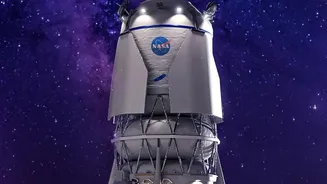
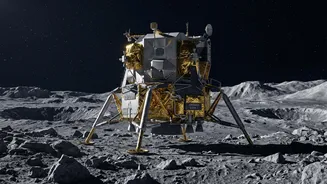
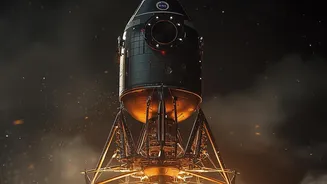
NASA has taken a dual-source approach for its Human Landing System (HLS), funding two distinct designs from commercial partners. The first is a version of SpaceX's massive, 52-meter-tall Starship. Its ambitious design requires multiple in-orbit refueling flights before it can journey to the Moon, a complex process that has never been done on this scale. The second contract was awarded to a team led by Jeff Bezos' Blue Origin for its 'Blue Moon' lander. This lander is a more traditional, lower-slung vehicle reminiscent of the Apollo Lunar Module, designed to ensure a stable footing on the lunar surface. Both companies have added new development milestones to give NASA better insight into their progress and enhance astronaut safety.
The Impact on a 2028 Moon Return
While repurposing Artemis III might seem like a delay, NASA frames it as the fastest and safest path to a 2028 landing. By de_risking the lander technology in 2027, the agency hopes to proceed with the Artemis IV landing attempt in early 2028 with much higher confidence. However, the timeline remains aggressive. Both SpaceX and Blue Origin face significant technical hurdles. Blue Origin is recovering from a rocket explosion in May that damaged its launchpad, while SpaceX must perfect its orbital refueling technique, a key element of its Starship architecture. Some reports note that supply chain issues for critical avionics have already caused a 90_day slip for Artemis III. Ultimately, NASA has not yet assigned a specific lander to the Artemis IV landing; the choice will depend on which company proves its system is ready first.
A Strategy of Flexibility
This programmatic shift underscores a new era for NASA, one defined by managing complex partnerships with the commercial space industry. Rather than a rigid, unchangeable plan, the agency is building in flexibility to adapt to development realities. The new milestones include added hardware readiness reviews and human_in_the_loop testing for Blue Origin, and demonstrations of SpaceX's crew cabin. The revised strategy also changes the rendezvous plans. Instead of meeting in a distant lunar orbit, the concepts of operation for both landers have been streamlined for greater efficiency. These adjustments reflect a hard_earned lesson in modern spaceflight : ambitious goals require adaptable plans, especially when pushing the boundaries of technology to return humans to the Moon.