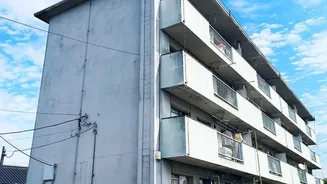







The 'Visible Leaks' Philosophy
The phrase 'keep leaks visible' isn't about letting water drip; it's a mindset for proactive property management. Instead of waiting for a tenant to call about a disastrous ceiling stain, this approach means you are constantly looking for potential weaknesses
before they become emergencies. In India, landlords are generally responsible for major structural repairs, including plumbing systems and waterproofing. Reacting to problems is expensive and strains tenant relations. A proactive stance, however, turns you from a firefighter into a strategic manager of your asset. It involves regular, scheduled checks of common failure points, from hidden pipes to degrading window seals. This philosophy acknowledges that small issues, if ignored, will inevitably grow. By keeping these potential 'leaks' on your radar, you stay in control of your property’s health and your finances.
Building Your Seasonal Maintenance Calendar
India's diverse climate, especially the monsoon, dictates a seasonal approach to maintenance. A well-planned calendar helps you address risks before they cause damage. Divide your year into actionable periods. Pre-Monsoon (April-May): This is the most critical time for preventative action. Inspect roofs for damaged tiles and clear all gutters and drains of debris to ensure proper water flow. Check the sealant around all windows and doors for cracks. This is also the time for professional waterproofing of terraces, balconies, and exterior walls, which is a common defence against the heavy rains to come. Post-Monsoon (October-November): After months of rain, inspect for any damage. Check for damp patches on interior walls and ceilings, which could indicate a breach in your waterproofing. Address any peeling paint or signs of mould growth immediately. This is also a good time for a deep clean of the property and to check for any pest issues that may have arisen during the wet months. Winter & Summer Checks: During drier months, focus on internal systems. In summer, service all air conditioning units before peak usage to ensure efficiency. In winter, inspect geysers and internal plumbing. Throughout the year, regularly test smoke detectors and electrical systems to ensure they are safe and functional.
Common Leak Culprits and What to Spot
Leaks often start small and can be hard to detect. In Indian apartments, common sources include faulty bathroom waterproofing on upper floors, cracks in concealed pipes, and gaps around windows. Be vigilant about the tell-tale signs. Look for bubbling or peeling paint, a persistent musty odour, or white, powdery deposits on walls, known as efflorescence. These are early warnings of moisture intrusion. Regularly check under sinks in kitchens and bathrooms for any dampness or slow drips. Inspect the grout and caulk around shower areas and bathtubs, as deterioration here allows water to seep into walls. Also, pay attention to sudden drops in water pressure or an unexplained increase in the water bill, as these can signal a hidden leak within the plumbing system. A quick visual inspection during routine property visits can help you catch these issues early, saving thousands in potential damage repair costs.
Make Your Tenants Your Partners
Your tenants are your eyes and ears on the ground. Fostering a good relationship where they feel comfortable reporting minor issues is crucial. Under the Model Tenancy Act, tenants have a duty to inform the landlord promptly of any damage. Make this process easy and non-confrontational. At the start of the tenancy, explain that you prefer to know about small problems—like a dripping tap or a window that doesn't seal properly—before they become big ones. Provide a clear, written process for reporting maintenance issues, whether it’s via a simple text message or email. This creates a record for both parties. When a tenant reports an issue, respond promptly, even if it's just to acknowledge their message and provide a timeline for the fix. This not only helps you adhere to your responsibilities as a landlord but also builds trust and encourages them to continue being vigilant, making them a valuable partner in protecting your investment.