


When the air turns crisp, your garden doesn't have to look bare. The cool winter season in India is perfect for growing a variety of stunning flowers that thrive in lower temperatures, transforming your balcony, terrace, or garden into a riot of colour.
Petunias: The Cascading Colour
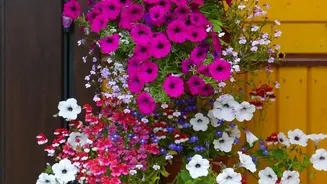
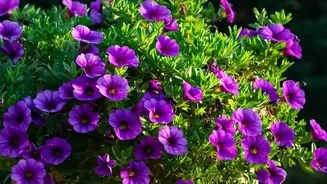
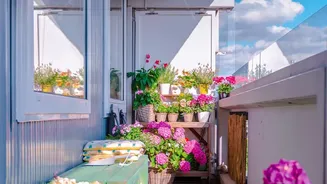
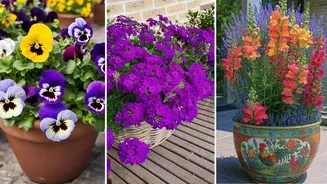
Petunias are a winter favourite across India for a reason. Available in a dazzling array of colours from pinks and purples to whites and stripes, their trumpet-shaped flowers are perfect for pots, window boxes, and especially hanging baskets where they can cascade beautifully. They behave as winter annuals in the Indian plains, growing fast in the cool months and blooming prolifically from December through March. For the best results, provide them with at least five to six hours of direct sunlight daily. They need well-draining soil; a mix of garden soil, compost, and cocopeat works well. Water only when the top inch of soil feels dry, as overwatering can cause root rot. Regularly removing faded flowers, a practice known as deadheading, will encourage the plant to produce even more blooms.
Snapdragons: The Vertical Accent
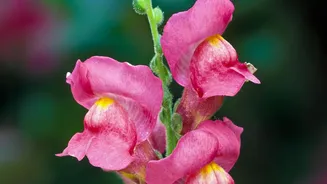
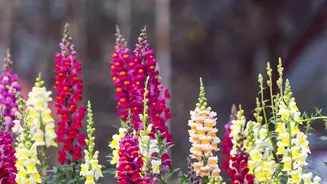
Snapdragons, or Antirrhinums, add vertical drama and a touch of whimsy to any garden with their tall, elegant spikes of flowers. Famous for their unique dragon-shaped blooms that 'snap' open when squeezed, they come in almost every colour imaginable. These are cool-season annuals that are perfect for India's winter climate and can even handle a light frost. Depending on the variety, they can range from dwarf types perfect for pots to tall versions that make excellent cut flowers. Plant them in a spot that gets full sun for six to eight hours. They prefer well-draining soil and consistent moisture, but hate being waterlogged. In North India, the best time to sow seeds is from September to October for blooms that last from December to April.
Marigolds: The Hardy Favourite
Marigolds are arguably one of the most reliable and cheerful flowers for an Indian garden. Their bright pom-poms of yellow and orange bring instant warmth and are incredibly low-maintenance. Thriving in full sun, they are not fussy about soil as long as it drains well. Marigolds are a great choice for beginners and grow well in both garden beds and containers. They have a long blooming season and also act as a natural pest repellent, making them a useful companion plant for vegetables. To keep them flowering profusely, just pinch off the spent blooms. They require moderate watering and are quite resilient, making them a dependable choice for a colourful winter display.
Pansies: The Cheerful Faces
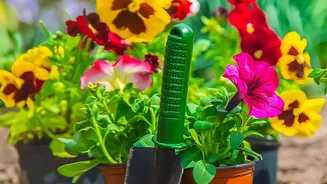
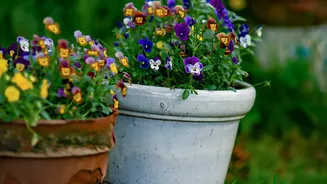
With their distinctive, face-like markings, pansies are among the most charming cool-season flowers. They come in a variety of velvety colours like blue, purple, and yellow. Pansies love cool weather and are ideal for pots, borders, and window boxes where their cheerful blooms can be appreciated up close. They perform best with four to six hours of sunlight; in warmer regions, some afternoon shade is beneficial. The key to keeping pansies happy is to provide rich, moist soil and to remove faded flowers regularly, which encourages a continuous supply of new buds throughout the winter season.
Calendula: The Sunny Pot Marigold
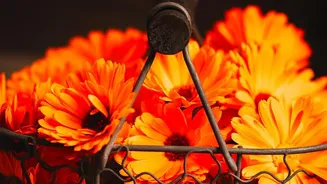
Often called pot marigold, Calendula is another easy-to-grow winter flower that brings a sunny splash of orange and yellow to the garden. It is a hardy plant that thrives in full sun and well-drained soil, often blooming with minimal effort. Calendula is not just pretty; its petals are edible and have been used in traditional remedies, making it a beautiful and practical choice. Sowing seeds in the cool season is simple, and the plant will reward you with continuous flowers if you keep picking them. It's an excellent, low-maintenance option for beginners who want a guaranteed pop of colour.
Dianthus: The Fragrant Pinks
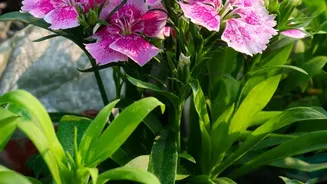
Dianthus, also known as 'pinks', are loved for their frilly, often bicoloured petals and a distinct, sweet-spicy fragrance similar to cloves. These compact plants are perfect for garden borders, rock gardens, and containers. They are available in shades of pink, red, and white. Dianthus plants are fairly low-maintenance, requiring full sun and well-draining soil to prevent root issues. They don't like to have 'wet feet', so be careful not to overwater. Their long-lasting blooms also make them excellent cut flowers to bring a touch of your garden's beauty and fragrance indoors.