






The ₹500 Visa: Fact from Fiction
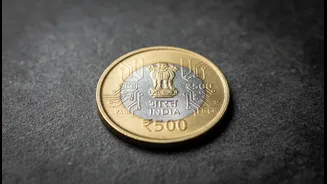
It sounds too good to be true, but it's a fact confirmed by the Embassy of Japan in India: the visa fee for Indian passport holders remains just ₹500. This special arrangement was preserved even after Japan announced a significant global visa fee hike
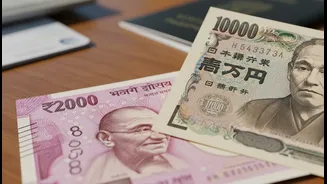
for most other nationalities, which took effect on July 1, 2026. While travellers from many countries now face charges equivalent to ₹8,650 for a single-entry visa, the fee for Indians holds steady. What's more, this ₹500 fee applies to both single-entry and multiple-entry visas, an unusual and highly advantageous policy for those planning frequent visits. This makes the initial step of planning a Japanese holiday remarkably affordable compared to many other international destinations.
Understanding the Total Cost
While the core visa fee is exceptionally low, it's important to budget for the total outlay. All applications submitted in India are processed through VFS Global, which is the authorised partner for the Embassy of Japan. VFS Global charges a mandatory service fee of ₹800 per application, inclusive of taxes. Therefore, the minimum cost you should expect to pay for a standard tourist visa application is ₹1,300 (₹500 visa fee + ₹800 VFS service charge). Optional services, such as courier return of your passport, will incur additional charges. It is also worth noting that Japan has discontinued its separate transit visa category for all nationalities as of July 2026. Travellers needing to pass through the country may now have to apply for a short-term stay visa.
Who is Eligible and How to Apply?
All Indian passport holders who require a visa for tourism, visiting friends or relatives, or short-term business must apply before their trip, as Japan does not offer a visa-on-arrival facility for Indians. The application process is straightforward. First, you must fill out the visa application form accurately. The next step is to gather the required supporting documents and submit them at a VFS Global centre. Some centres have moved to an appointment-only system, so it is crucial to check the latest guidelines on the VFS website before your visit. The embassy advises applying up to three months before your intended travel date, but no earlier. Standard processing time is a minimum of five working days after the application reaches the embassy, but this can vary.
Essential Documents Checklist
A successful visa application hinges on providing the correct documentation. While requirements can vary slightly based on the specific purpose of your visit, a typical tourist visa application requires a standard set of documents. These include your original passport with at least six months of validity and blank pages, the completed visa application form, and recent passport-sized photographs meeting specific guidelines. You will also need to provide a detailed day-by-day itinerary of your trip, confirmed flight bookings, and proof of accommodation, such as hotel reservations. Crucially, you must demonstrate financial stability through documents like bank statements for the last six months and income tax returns for the past three years. A cover letter clearly explaining the purpose of your travel is also a key component.
The Rise of the eVisa
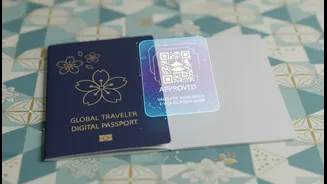
In a move to modernise the process, Japan has also introduced an eVisa system for Indian citizens for single-entry, short-term tourism. However, it's important to understand that individuals cannot apply directly on the government portal. Applications for the eVisa must be lodged through an accredited travel agency. This digital route eliminates the need to visit a VFS centre and receive a physical visa sticker in your passport, offering a more streamlined alternative for eligible travellers. Whether you choose the traditional paper application via VFS or the newer eVisa route through an agency, the low cost remains a significant advantage for Indian tourists.