
The Great Indian Snack Shift
For generations, taste has been the undisputed king of Indian snacking. However, a new contender has risen to share the throne: convenience. The modern Indian consumer, juggling longer work hours, daily commutes, and busy home lives, no longer has the luxury
of time for elaborate snack preparation. This has sparked a profound change in eating habits, moving away from traditional, time-intensive cooking towards packaged and pre-prepared foods. The market for convenience foods is expanding rapidly, with projections showing significant growth in the coming years. This isn't to say taste has been dethroned; rather, consumers now demand both. They want the authentic, delicious flavours they grew up with, but in a format that fits their fast-paced reality.
Drivers of the Convenience Craze
Several socio-economic factors are fuelling this demand for quick and easy snack solutions. Rapid urbanisation is a primary driver, leading to hectic schedules and less time for home cooking. The increase in dual-income households and the growing participation of women in the workforce mean that time-saving meal and snack options are no longer a luxury but a necessity. Long commute times, especially in metro cities, further reduce the window for meal preparation, making on-the-go snacking more common. This trend, sometimes called "snackification," sees consumers replacing traditional large meals with multiple smaller, convenient snacks throughout the day. As a result, the Indian convenience food market is experiencing explosive growth, transforming to meet these evolving consumer needs.
What 'Convenient' Means Today
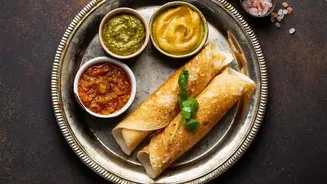
Modern convenience is more than just speed; it encompasses a range of attributes. It means minimal preparation, often just requiring the addition of hot water or a quick reheat. Ready-to-cook (RTC) options like dosa batters and pre-mixed masalas have surged in popularity because they offer the satisfaction of a freshly made meal with significantly less effort. Ready-to-eat (RTE) products, which require no preparation at all, cater to the most time-pressed consumers. Portability is another key aspect. Snacks are now designed to be eaten anywhere—at a desk, in a car, or between appointments. This has led to innovation in packaging, with pouches and single-serve formats becoming dominant. Ultimately, today's convenience is about seamlessly integrating snack time into a busy schedule without disruption.
How Brands Are Responding
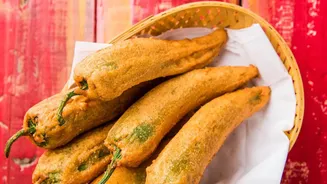
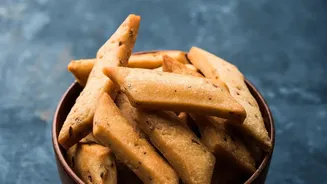
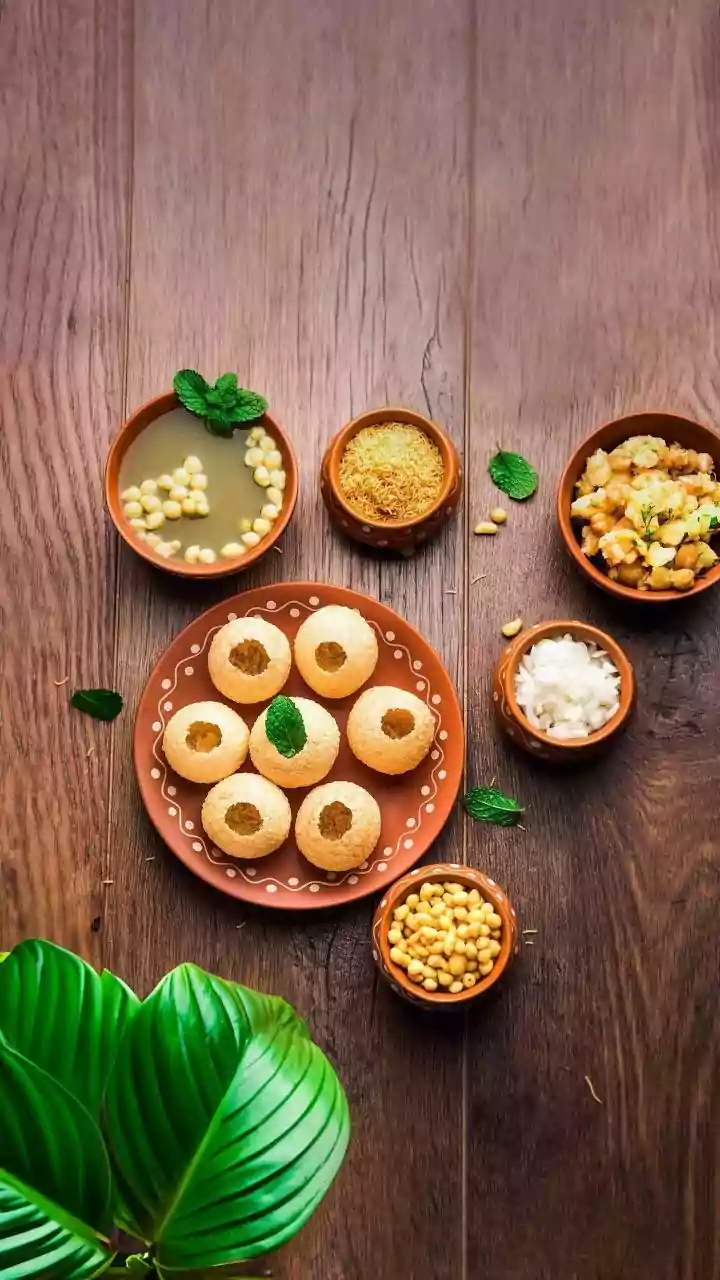
The food industry has been quick to innovate in response to this trend. Supermarket shelves are now filled with an ever-expanding array of RTC and RTE products, from heat-and-eat curries to instant poha. Traditional snacks that once required hours to make are now available in packaged, ready-to-fry or baked formats. Brands are also tapping into regional flavours, offering packaged versions of local favourites to appeal to a sense of authenticity and nostalgia. The rise of quick commerce and online grocery platforms has further accelerated this trend, making convenient snacks more accessible than ever across Tier 1, 2, and 3 cities. This intense competition is driving continuous innovation in flavours, formats, and product portfolios.
The Unwavering Importance of Health
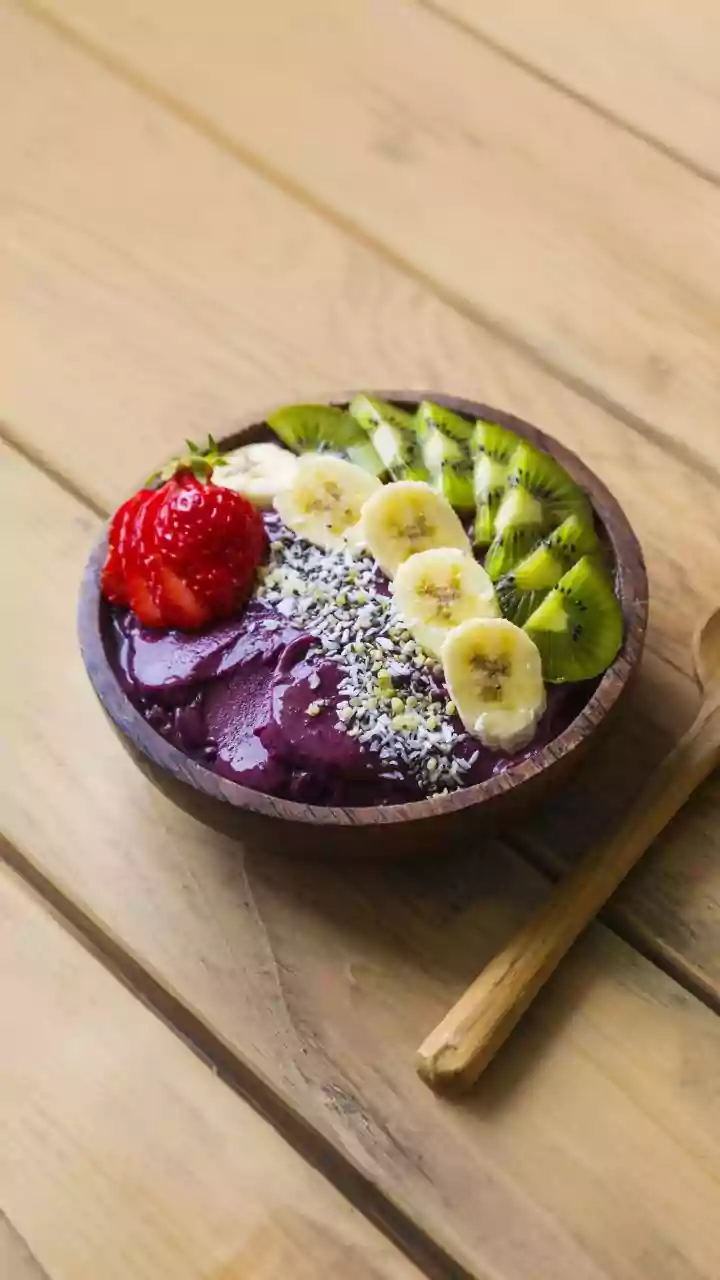
Crucially, the demand for convenience has not overshadowed the growing health consciousness among Indian consumers. The modern snacker wants it all: convenience, taste, and nutrition. There is a discernible shift towards products that are baked instead of fried, low in sugar, and made with wholesome ingredients like millets, oats, and ragi. Consumers are actively checking labels for protein and fibre content, and there's a rising preference for snacks with "clean" labels free from artificial additives. In fact, some studies show urban consumers are beginning to prioritize nutrition even over taste. This has created a booming market for "better-for-you" snacks, from roasted makhana and ragi cookies to baked bhujia, proving that healthy, convenient, and tasty can coexist.