

The Art of Tea Selection
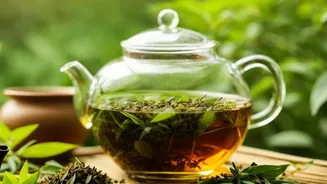
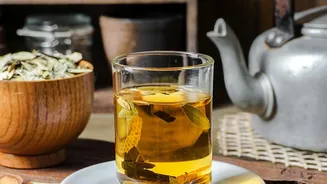
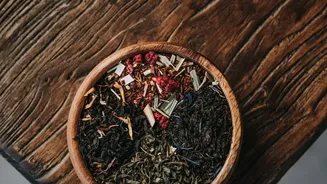
The heart of your tasting is the tea itself. Aim to select one or two teas from each of the four main categories: green, black, oolong, and herbal. All true teas (green, black, and oolong) come from the same plant, Camellia sinensis; the differences arise
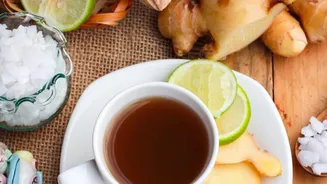
from how they are processed. Green tea is unoxidized, giving it a fresh, grassy, or vegetal taste. Black tea is fully oxidized, which results in a darker, more robust flavour profile that can be malty or fruity. Oolong tea sits in the middle, partially oxidized to offer an incredible range of flavours, from light and floral to dark and roasted. Herbal teas, or 'tisanes', are not true teas and are made from various caffeine-free botanicals, fruits, and spices, offering a world of different flavours.
Setting the Scene for Sipping
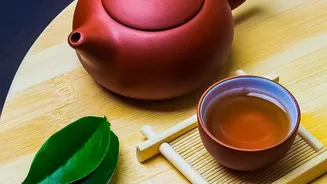
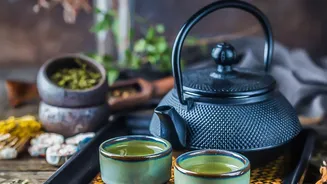
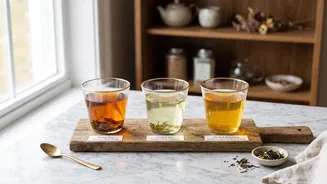
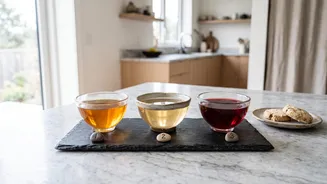
You don’t need elaborate equipment to create an inviting atmosphere. Start with a dedicated tasting station. A clean tablecloth, small teacups (white or light-coloured interiors are best to appreciate the tea's colour), and a kettle are the essentials. If you have multiple teapots, great; otherwise, simply rinse one thoroughly between brews. Consider providing small notecards and pens for guests to jot down their impressions of each tea's aroma and flavour. A casual, comfortable seating arrangement encourages conversation and makes the experience more enjoyable for everyone, whether they are a tea aficionado or a complete novice.
A Guide to Perfect Brewing
Proper brewing is crucial for unlocking the best flavour of each tea. Water temperature and steeping time vary significantly between types. Using water that's too hot can scorch delicate leaves and create bitterness. As a general rule, the less oxidized the tea, the cooler the water. For green tea, aim for water between 74-85°C and a steep time of 1-3 minutes. Oolong teas are best brewed with water around 82-91°C for 3-7 minutes, depending on the leaf style. Robust black and herbal teas can handle a full boil (91-100°C) and a longer steep of 3-5 minutes for black tea and 5-7 minutes for herbals. If you don't have a variable-temperature kettle, you can boil water and let it cool for a few minutes to reach the desired temperature.
Structuring the Tasting Experience
To best appreciate the nuances of each brew, it’s wise to taste them in order from lightest to strongest. A typical progression would be green tea, followed by oolong, black, and finally herbal tea. Before the first sip, encourage your guests to observe the dry leaves, noting their shape and aroma. Once brewed, take a moment to appreciate the colour of the liquid and its fragrance. The best way to taste is to slurp the tea slightly; this aerates the liquid and spreads it across your entire palate, revealing more complex flavour notes. Between each tea, offer a simple palate cleanser to reset the taste buds. Still or sparkling water and plain, unsalted crackers are the most effective options as they won't interfere with the next tea's flavour.
Simple Snacks and Pairings
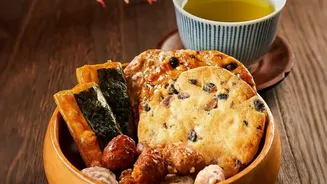
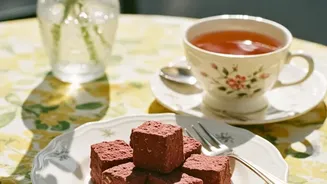
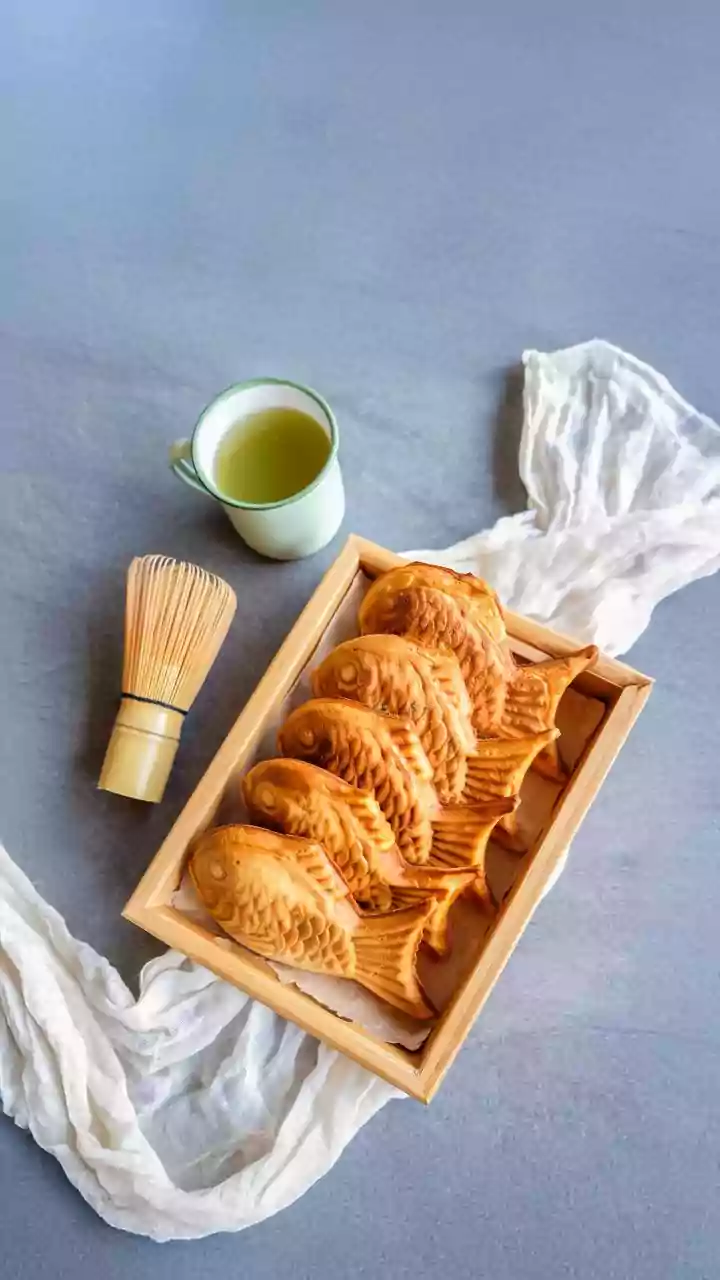
While the focus is on the tea, offering a few light snacks can prevent hunger from becoming a distraction. The key is to choose foods with neutral flavours that won't overpower the delicate notes of the tea. Simple finger foods are ideal. Think crustless cucumber and cream cheese sandwiches, plain shortbread biscuits, or mini quiches. A platter of fresh, mild fruits can also be a refreshing addition. Avoid anything with strong, lingering flavours like garlic, heavy spices, or excessive salt and sugar. The food should complement the main event, not compete with it.