


The Art of Chasing a Bloom
So, what exactly is ‘bloom chasing’? Think of it as strategic tourism timed perfectly to witness the peak flowering of a region’s unique flora. It’s about more than just seeing pretty flowers; it’s about experiencing a fleeting natural spectacle that
only appears for a few weeks a year. For travellers, it’s a chance to see a landscape transform into something almost otherworldly. The monsoon season across India triggers many of these events, turning otherwise green or barren lands into carpets of vibrant colour. This trend requires planning and a bit of luck, as blooming is dependent on weather patterns, but the reward is an unforgettable encounter with nature at its most brilliant. It’s a pursuit that combines trekking, photography, and a deep appreciation for the country’s incredible biodiversity.
Right Now: The Valley of Flowers, Uttarakhand
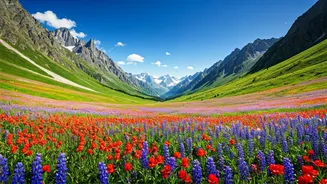
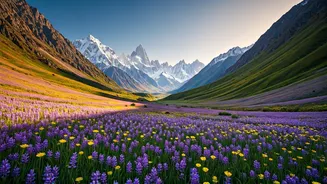
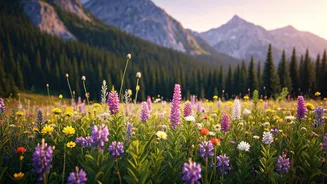
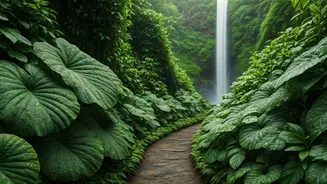
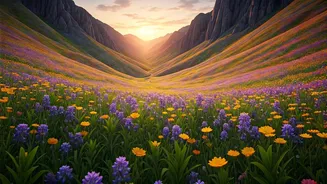
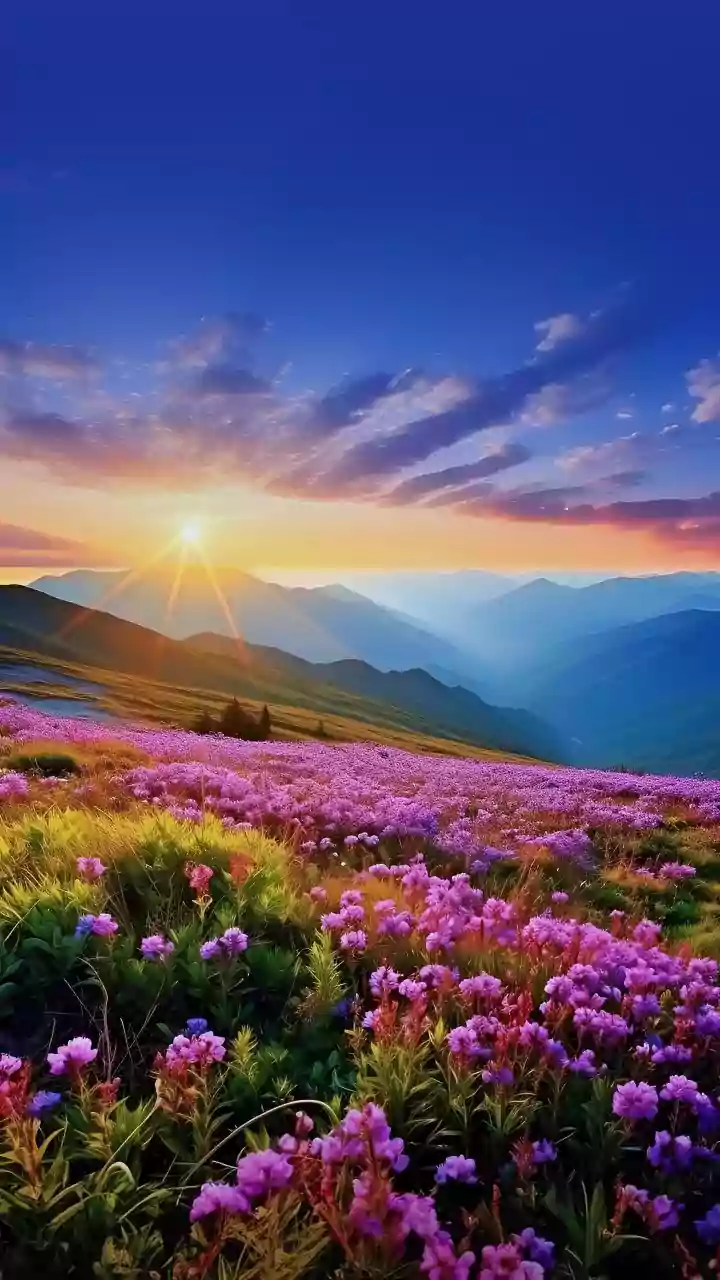
If you want to chase a bloom immediately, your destination is Uttarakhand’s Valley of Flowers National Park. Having opened for the season on June 1, 2026, this UNESCO World Heritage Site is entering its most spectacular phase. Mid-July to mid-August is considered the absolute best time to visit, as the monsoon rains trigger a mass blooming event. Trekkers are rewarded with meadows filled with over 600 species of alpine flowers, including the elusive Himalayan Blue Poppy, Brahma Kamal, orchids, and primulas. The valley, located at an altitude of over 3,600 metres, is accessible only by a trek that begins at Govindghat, making the journey as much a part of the experience as the destination itself. The combination of lush greenery, cascading waterfalls, and a riot of floral colour makes it India’s premier bloom-chasing destination for July.
Plan Now: Kaas Plateau, Maharashtra
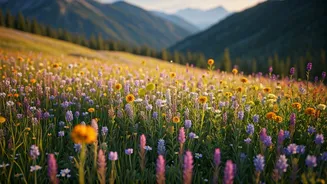
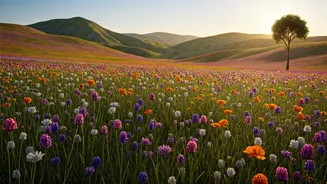
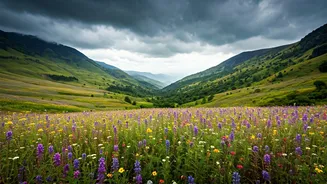
While the Himalayas are blooming now, another major event is just around the corner, requiring you to plan ahead. The Kaas Plateau in Maharashtra, another UNESCO World Natural Heritage Site, is often called the ‘Valley of Flowers of the Western Ghats’. Its peak blooming season typically runs from late August through early October, with September often cited as the ideal month. Preparations for the 2026 season are already underway. Unlike the tall flowers of the Himalayan valley, Kaas is famous for a carpet-like bloom of tiny, vibrant wildflowers across its lateritic plateaus. It hosts over 850 species, including insectivorous plants like Drosera indica and the golden-hued Smithia hirsuta. Due to its immense popularity and the need to protect the fragile ecosystem, there is a daily visitor limit, making advance online booking essential.
The Ultimate Prize: The Neelakurinji Bloom
For the most dedicated bloom chasers, one event stands above all others: the mass flowering of the Neelakurinji in the Western Ghats. This incredible spectacle, which blankets the hills of Munnar in Kerala in a sea of purplish-blue flowers, happens only once every 12 years. The flower gives the Nilgiri (Blue Mountains) range its name. The last major bloom occurred in 2018, meaning the next one is not expected until 2030. This long cycle makes witnessing it a true once-in-a-generation experience, attracting visitors from across the globe. While you can't see it this year, the Neelakurinji bloom represents the pinnacle of this travel trend—an event so rare and beautiful that it warrants a decade of anticipation. It's a powerful reminder of nature's unique and patient rhythms.
A Bloom Chaser's Toolkit
Inspired to plan a trip? Success lies in preparation. First, always check the current status of the bloom online. Local tourism websites and trekking groups often provide updates on flowering intensity, which can vary based on rainfall. For popular destinations like Kaas Plateau, book your entry permits and accommodation well in advance, as slots fill up fast. Pack for all weather; mountain and plateau climates are unpredictable, so waterproof jackets, layers, and sturdy walking shoes are non-negotiable. Most importantly, be a responsible tourist. Stick to designated paths to avoid trampling the delicate flowers, do not pick anything, and carry all your litter back with you. The goal is to leave these natural wonders as pristine as you found them for the next generation of bloom chasers to enjoy.