





Plan Your Menu in Advance
The single most effective way to control costs is to plan. Instead of deciding on dishes impulsively, sit down and write a complete menu. This helps you create a precise shopping list and prevents last-minute splurges. A well-thought-out plan ensures
you buy only what you need, curbing the tendency to overspend on non-essential ingredients. Consider the number of guests and their preferences to avoid over-preparing. Planning also allows you to design a balanced menu, perhaps mixing a couple of elaborate, expensive dishes with simpler, more affordable ones.
Shop Smart and Seasonally
Once your list is ready, shop with a strategy. Compare prices between local vendors and supermarkets. Often, your neighbourhood vegetable seller will offer fresher produce at better rates. Embrace seasonal fruits and vegetables, which are not only cheaper but also at their peak in terms of flavour. With food prices for staples like onions, ginger, and garlic seeing sharp increases, planning around seasonal availability is more important than ever. Buying spices and grains in bulk can also lead to significant savings over time.
Simplify the Spread
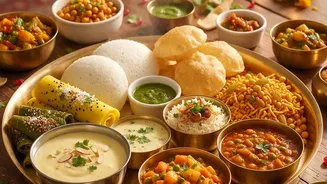
A lavish spread with dozens of dishes is impressive, but it can also be a source of stress and significant expense. This year, consider simplifying. Focus on preparing five or six 'star' dishes and executing them perfectly. A smaller, well-curated menu is often more enjoyable for guests than an overwhelming buffet. It also dramatically reduces preparation time, cost, and the potential for waste. A memorable meal is about quality and togetherness, not just quantity.
Embrace the Potluck Model
Sharing the load is a wonderful way to foster community and reduce the financial burden on one household. Instead of cooking everything yourself, consider organising a potluck where each family or guest brings one dish. This not only introduces a delightful variety to the menu but also divides the cost and effort. It transforms the meal into a collaborative celebration, where everyone contributes to the feast. This approach works especially well for large family gatherings and community celebrations.
Master Portion Control to Minimise Waste
One of the biggest hidden costs of festive cooking is food waste. We often cook in abundance, fearing there will not be enough for everyone. However, this frequently results in large amounts of leftovers that go uneaten. Be realistic about how much people will eat. A good practice is to serve smaller portions initially, allowing guests to take seconds if they are still hungry. This simple change can drastically cut down on plate waste and ensure that perfectly good food doesn't end up in the bin.
Get Creative with Leftovers
Despite the best planning, some leftovers are inevitable. The key is to see them not as waste, but as an opportunity for another delicious meal. Leftover rice can be transformed into flavourful fried rice the next day. Cooked vegetables can be blended into a soup or used as a filling for parathas. Even leftover sweets can be repurposed; crumbled laddoos or barfis make an excellent topping for ice cream or kheer. A little creativity in the kitchen ensures that nothing goes to waste, stretching your food budget further.