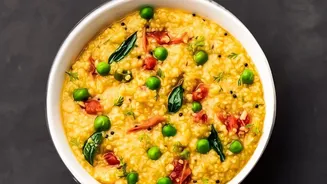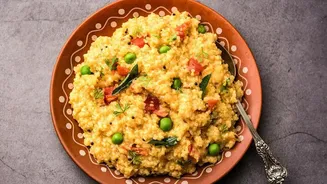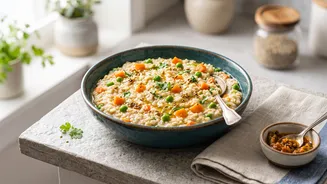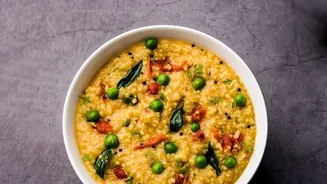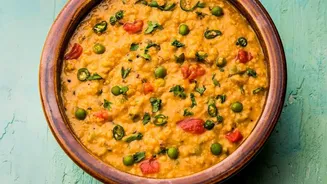




When you think of a perfect fitness meal, the humble khichdi might not be the first thing that comes to mind. But what if we gave this classic comfort food a modern, athletic twist? Enter oats khichdi, a powerhouse of nutrition.
A Classic Comfort Food Gets a Modern Makeover
Traditionally, khichdi
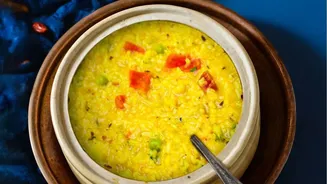
is a simple, comforting one-pot meal made from rice and lentils, known for being easy on the digestive system. By swapping rice for oats, the dish transforms into a nutritional powerhouse perfectly suited for an active lifestyle. This version retains the comforting soul of khichdi while upgrading its nutritional profile. Oats introduce a higher fibre content, particularly beta-glucan, which is known for its heart-health benefits. Combined with lentils (dal) and a medley of vegetables, oats khichdi becomes a complete meal that’s both satisfying and functionally nutritious.
Energy Source: The Power of Complex Carbs
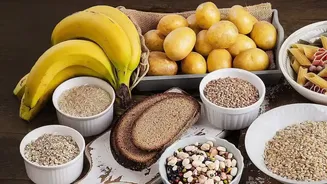
For anyone engaged in regular training, carbohydrates are the primary fuel source. Oats are packed with complex carbohydrates, which, unlike simple sugars, provide a slow and sustained release of energy. This prevents the dreaded energy spike and subsequent crash, allowing you to maintain consistent energy levels throughout your workout. Think of it as a steady fuel drip for your muscles rather than a quick flash in the pan. This slow-burn energy is ideal for endurance activities and helps you push through longer, more demanding training sessions.
Protein Power: The Building Blocks for Muscle
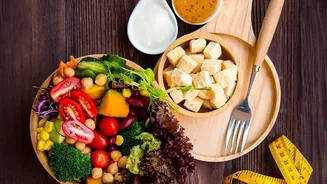
Exercise, particularly strength training, creates microscopic tears in your muscle fibres. Protein provides the essential amino acids needed to repair this damage, which is how muscles grow stronger. While oats themselves contain a decent amount of protein for a grain, the magic of oats khichdi lies in its combination of ingredients. The lentils (moong dal is a common choice) significantly boost the protein content, creating a more balanced meal. To further increase the protein, you can add ingredients like paneer, tofu, boiled chickpeas, or even shredded chicken. This makes oats khichdi a versatile dish that can be easily adapted to meet higher protein requirements for muscle recovery and growth.
The Perfect Balance: Pre- or Post-Workout?
So, when is the best time to eat oats khichdi? The answer depends on your goals. As a pre_workout meal, its complex carbs provide the sustained energy needed for performance. It’s best consumed one to two hours before exercise to allow for digestion and prevent discomfort. As a post_workout meal, oats khichdi shines by providing both carbohydrates and protein. The carbs help replenish depleted glycogen (energy) stores in your muscles, while the protein kicks off the muscle repair process. Consuming a balanced meal like this within an hour or two after training can significantly speed up recovery and reduce muscle soreness.
Beyond the Bowl: Maximising Nutritional Value
Oats khichdi is a fantastic base, but you can easily enhance its nutritional value. Adding a variety of colourful vegetables like carrots, peas, beans, and spinach not only adds flavour and texture but also boosts the vitamin, mineral, and antioxidant content. A garnish of fresh coriander, a squeeze of lemon juice, or even a sprinkle of seeds (like pumpkin or sunflower seeds) can add extra nutrients and healthy fats. A traditional dollop of ghee can also add healthy fats and improve the absorption of fat_soluble vitamins, making your wholesome meal even more beneficial.