






Vehicle Readiness: Your First Line of Defence
Before you even think about packing your bags, your vehicle needs a thorough inspection. Driving through the ghats during a downpour is demanding on any car. Start with the most critical components for wet conditions. Ensure your tyres have deep treads
for good grip on slippery tarmac and to reduce the risk of aquaplaning. Check the tyre pressure, including the spare. Next, inspect your windshield wipers; if they leave streaks or skip, replace them immediately. Poor visibility is a major hazard in heavy rain. Finally, confirm all your lights are working perfectly—headlights, tail lights, and indicators. Using low-beam headlights even during the day can significantly increase your visibility to other drivers.
Route Planning: Know Before You Go
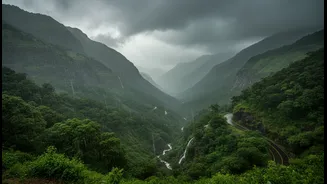
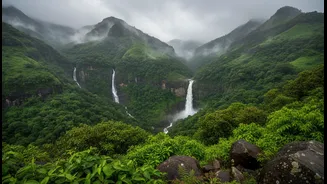
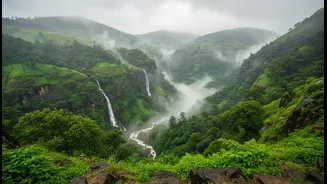
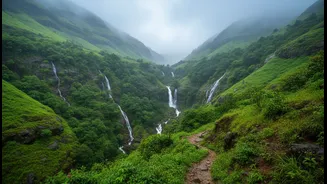
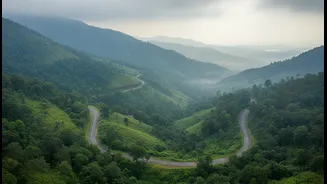
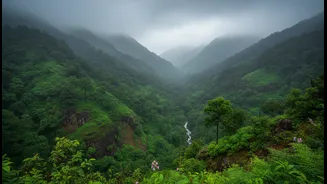
The Western Ghats are a known landslide-prone region, especially during intense monsoon spells. Areas in Kerala, Karnataka, and Maharashtra are particularly vulnerable. Before you start, check the latest weather forecasts and local advisories for your intended route. Be aware of areas like Munnar, Wayanad, and parts of the Konkan coast, which have a history of landslides. It's wise to stick to main highways and avoid taking unknown shortcuts, which might be more susceptible to blockages or might not have good network connectivity. Planning to drive mostly during daylight hours is a crucial safety measure, as visibility drops dramatically after dark and unseen obstacles on the road become a greater threat.
On The Road: Safe Monsoon Driving Techniques
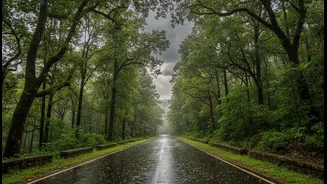
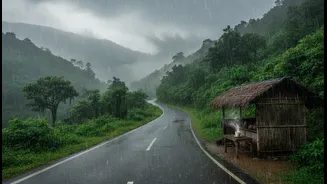
Once you're driving, adapting your style to the conditions is paramount. The number one rule is to slow down. Your stopping distance increases dramatically on wet roads, so double your following distance from the vehicle in front of you. Be extremely cautious of waterlogged patches. It’s hard to judge the depth of standing water, and it can hide deep potholes or other hazards. Just 30 centimetres of water can be enough to make your car float. If you must cross a waterlogged area, do so slowly in a low gear to prevent the engine from stalling. Never use cruise control in the rain, as it can prevent you from sensing when the car is hydroplaning. If you do feel the car start to skid or hydroplane, ease off the accelerator and steer gently in the direction you want to go; do not brake suddenly.
Essential Packing for a Monsoon Journey
Packing for a monsoon road trip is about being prepared for anything. In addition to your regular luggage, a dedicated emergency kit is non-negotiable. This should include a first-aid kit, a powerful flashlight, a tow rope, jumper cables, and a reflective warning triangle. Given the humidity, pack synthetic, quick-drying clothes instead of cotton or denim, which take a long time to dry. A waterproof jacket and proper footwear with good grip are essential. To protect your electronics and important documents from moisture, use waterproof dry bags or zip-lock pouches. Also, pack some non-perishable snacks and sufficient water, in case you get stranded due to a road closure. A power bank for your phone is a modern-day essential for staying connected and accessing offline maps.
Dealing with Emergencies
Despite the best planning, things can go wrong. If your vehicle stalls in a waterlogged area, do not try to restart the engine, as this can cause major damage. If it's safe, it's better to get out and push the vehicle to higher ground. If you find yourself in extremely heavy rain with near-zero visibility, the safest option is to pull over to a secure spot, away from steep slopes, and wait for the downpour to lessen. Always let a friend or family member know your itinerary and expected check-in times. Keep emergency contact numbers for local authorities and roadside assistance handy. Having offline maps downloaded on your phone can be a lifesaver in remote areas with poor or no cellular network.