



The Science of a Superior Marinade
Many marinades use strong acids like vinegar or citrus juice to tenderise meat. While effective, they can be aggressive, quickly turning the outer layer of meat tough or mushy. Curd, or dahi, offers a gentler approach. Its power lies in lactic acid, which
is produced during the milk's fermentation process. This mild acid works slowly and more evenly, breaking down tough muscle fibres without compromising the meat's texture. This means you can marinate ingredients for longer—even overnight for some recipes—to allow flavours to penetrate deeply without the risk of ruining the protein. The result is consistently juicy and succulent, whether you're grilling, roasting, or pan-frying.
More Than a Tenderiser
Beyond its tenderising properties, curd is an exceptional flavour carrier. Its thick, creamy consistency allows it to cling to the surface of ingredients like chicken, paneer, or vegetables, creating a substantial coating that holds spices beautifully. Unlike watery marinades that can slide off, a curd-based marinade ensures that every bit of ginger, garlic, and garam masala stays put. The milk fats in full-fat curd are particularly effective at dissolving and carrying the essential oils from spices, helping those aromatic compounds penetrate the food. This creates a complete and complex flavour profile that is absorbed deep into the main ingredient.
The Protective Shield on High Heat
Have you ever wondered how tandoori chicken gets its characteristic char without drying out? Once again, the credit goes to the curd marinade. When exposed to the high heat of a tandoor, grill, or oven, the yogurt in the marinade coagulates. This forms a protective layer around the meat, which helps to lock in moisture and prevent the exterior from burning before the inside is cooked. This creamy coating not only protects the meat but also contributes to the delicious, slightly charred crust that is the hallmark of dishes like chicken tikka and paneer tikka. It's a natural barrier that ensures a tender, juicy result every time.
Tips for the Perfect Curd Marinade
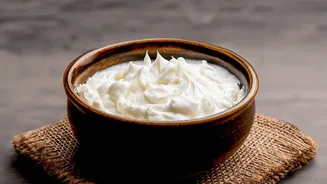
To get the most out of your curd marinade, a few simple rules apply. First, always opt for thick, full-fat curd. If your curd is thin, you can strain it through a cheesecloth or a fine-mesh sieve for 30-60 minutes to remove excess whey; this is often called 'hung curd'. Thin, watery curd will just slide off. Second, be mindful of marination times. For boneless chicken or paneer, 2-4 hours is often sufficient, while bone-in pieces can benefit from 4-8 hours or even overnight. However, try not to marinate for more than 24 hours, as even gentle lactic acid can eventually make the texture mushy. Finally, create an emulsion by whisking your oil (mustard oil is traditional for many tandoori dishes) into the curd before adding your dry spice powders. This helps prevent the spices from clumping and ensures they are distributed evenly.
Iconic Dishes Born from Curd
The use of curd as a marinade is fundamental to many of India's most beloved dishes. Tandoori chicken and paneer tikka are classic examples where the curd marinade is responsible for both the flavour and texture. In many biryani recipes, the meat is marinated in a mixture of curd and spices before being layered with rice, ensuring it becomes fall-off-the-bone tender during the slow 'dum' cooking process. Dahi kebabs, a vegetarian delicacy, use hung curd as the primary ingredient to create a soft, melt-in-the-mouth texture. Even in some home-style chicken or mutton curries, a curd marinade is the first step to a richer, smoother gravy and more succulent meat.