






The Fantasy of a Flawless Itinerary
Planning a trip to the Himalayas can feel like a monumental task. Booking flights, reserving guesthouses for specific dates, and scheduling every day of a trek provides a sense of control. For many, a detailed itinerary feels like a guarantee of a perfect
trip, ensuring no moment is wasted and every highlight is ticked off the list. This approach is born from a desire to maximise precious vacation time. However, the one variable that no travel plan can fully account for is the Himalayas themselves. The region’s powerful and unpredictable nature means that a rigid schedule isn’t just optimistic; it can be a significant liability. In these mountains, the best-made plans are the ones that are designed to change.
When Nature Rewrites Your Schedule
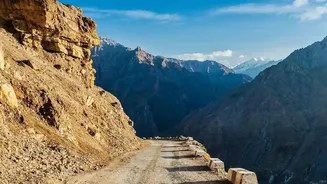
The primary reason for flexibility is the region's extreme and volatile weather. Climate change has made weather patterns in the Himalayas increasingly erratic. Sudden, intense rainfall can trigger landslides that block the limited number of roads, sometimes for hours, sometimes for days. A road that was clear in the morning can be impassable by the afternoon, isolating entire valleys and leaving travellers stranded. Similarly, flights to remote mountain airstrips like Lukla are frequently delayed or cancelled due to fog, high winds, or cloud cover. Having a fixed, non-refundable booking for the next leg of your journey adds immense stress to an already challenging situation. Building buffer days into your travel plans is not a luxury but a necessity for dealing with these common disruptions.
The Crucial Role of Acclimatisation
Altitude sickness, or Acute Mountain Sickness (AMS), is a major concern for anyone travelling to high elevations. It can affect anyone, regardless of age or physical fitness. Symptoms often resemble a bad hangover—headache, nausea, and fatigue—and can quickly escalate if ignored. The only reliable way to prevent it is gradual acclimatisation, which means ascending slowly and allowing your body time to adjust to the lower oxygen levels. Many fixed trekking itineraries push the limits of safe acclimatisation, scheduling rapid ascents to save time. If you start to feel unwell, the only cure is to rest or descend. A rigid schedule that demands you push onward to the next designated campsite can be dangerous. A flexible plan allows you to listen to your body, take an extra rest day when needed, and prioritise your health over a predetermined endpoint.
Beyond a Checklist: The Joy of Discovery
While safety is the main driver for flexibility, it also opens the door to more authentic and memorable experiences. Some of the best moments of travel are often the unplanned ones. A flexible itinerary allows you to linger in a village you’ve fallen in love with, accept an invitation for tea from a local family, or take a spontaneous detour to a monastery that wasn't on your original map. This freedom to explore at your own pace fosters a deeper connection with the places you visit and the people you meet. It transforms your trip from a 'check-in, check-out' holiday into a genuine journey of discovery. Rather than rushing from one photo-op to the next, you can immerse yourself in the serene, mindful rhythm of mountain life.