






Beyond the Beaches and Bass Drops
When most people think of Goa, they picture sun-drenched beaches, bustling shacks, and vibrant nightlife. For decades, this has been the state's primary allure. But drive away from the coast, and the landscape transforms. The salty air gives way to the earthy
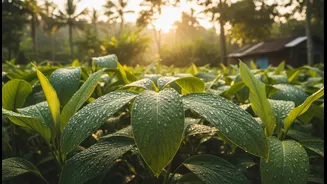
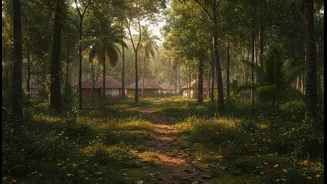
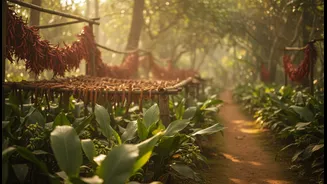
fragrance of wet soil and foliage. Here, in the hinterlands around towns like Ponda, a different kind of tourism is flourishing: spice plantations. These verdant estates, some of which are centuries-old family-run farms, offer a stark contrast to the high-energy coast. Instead of crowded shores, you find sprawling acres of lush greenery, where the loudest sounds are often the chirping of birds and the rustle of leaves. This quieter, more immersive side of Goa is proving to be exactly what many millennial travelers, tired of cookie-cutter vacations, are looking for.
A Symphony for the Senses
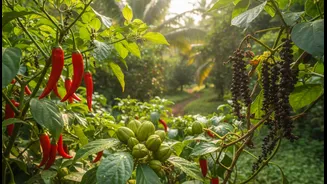
A visit to a Goan spice plantation is a full sensory experience. The journey typically begins with a traditional welcome, often a flower garland and a refreshing herbal tea made with lemongrass and ginger. From there, knowledgeable guides lead visitors on winding paths through the groves. They point out pepper vines clinging to betel nut trees, reveal the origins of nutmeg and cinnamon, and explain the medicinal properties of various plants. It’s an educational and surprisingly fascinating experience to see spices like cardamom, cloves, and vanilla in their natural habitat, rather than just as powders in a jar. The tour often culminates in a traditional Goan buffet, served in earthenware pots, where the fresh spices from the farm are the stars of the show. It’s a farm-to-table experience in its most authentic form, connecting visitors directly to the region's agricultural heart.
The Allure for a New Generation
So why is this resonating so strongly with millennials? The trend aligns perfectly with the generation's evolving travel values. Post-pandemic, there's a heightened desire for authenticity, wellness, and escapes from urban chaos. These plantations offer a peaceful retreat and a chance to connect with nature on a deeper level. A study on agritourism in Goa found that visitors particularly value the change from their daily routine and the opportunity for nature-based learning. For a generation that often values experiences over possessions, the chance to learn something new, engage with local culture, and support sustainable, eco-friendly tourism is a powerful draw. It's an experience that feels both grounding and enriching, providing a genuine break from the hyper-connected, fast-paced nature of modern life. It also taps into a broader shift towards responsible travel, where visitors seek to understand and contribute to the places they visit.
More Than Just Spices
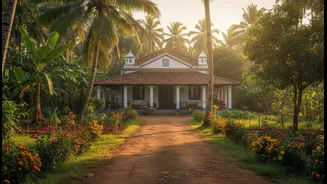
The appeal of these plantations extends beyond the spices themselves. Many have become havens for biodiversity, functioning as unofficial bird sanctuaries where visitors can spot a variety of local species. Some, like the Savoi Spice Plantation, have been in the same family for over 200 years, offering a direct link to Goa's history and heritage. This agritourism model is also being recognized as a vital way to diversify the state's economy, provide additional income for farmers, and preserve Goa's rural landscape. By choosing these experiences, travelers are not just getting a unique vacation; they are participating in a more sustainable form of tourism that supports local communities and environmental conservation. While some plantations offer activities like elephant rides and bathing, the core attraction remains the serene, natural environment and the educational journey through the world of spices.