





A Search for Authentic Experiences
In an increasingly globalised world, there's a growing hunger for the authentic, the local, and the traditional. Travellers are no longer content with surface-level sightseeing; they want to connect with the heart of a place. This desire has transformed
many of India's regional festivals from community celebrations into must-visit cultural showcases. These events offer an unparalleled opportunity to taste, see, and feel the distinct identity of a region, all in one place. They serve as living, breathing museums where traditions are not just preserved but are actively and joyously performed, providing a sensory-rich alternative to a standard vacation.
The Naga Hills: A Feast for the Senses
Nowhere is this trend more evident than at the Hornbill Festival in Nagaland. Billed as the 'Festival of Festivals', it brings together all 16 major tribes of the state every December. Here, culture is served on a platter. Visitors can walk through morungs (traditional tribal dormitories), each representing a different community and offering its own unique culinary specialities. The air is thick with the aroma of smoked pork cooked over open fires, spicy bamboo shoot preparations, and the distinct fragrance of Raja Mircha, one of the world's hottest chillies. You can sip on Zutho, the local rice beer, while watching powerful war dances and listening to ancient folk songs, making it a truly immersive gateway to the proud heritage of the Naga people.
Gujarat's White Desert: Culture in a Tent City
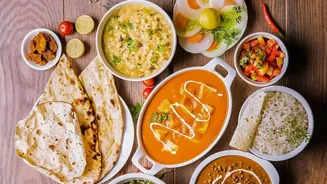
On the other side of the country, the Rann Utsav transforms the stark white salt desert of Kutch, Gujarat, into a city of culture from November to February. The festival is a vibrant showcase of Kutchi life. Two massive dining halls serve authentic vegetarian Gujarati thalis, featuring specialties like Bajra ki Roti and Kutchi Dabeli. Beyond the food, a sprawling craft bazaar offers a chance to buy directly from the artisans who create the region’s famed handicrafts. Intricate Bandhani tie-dye, exquisite mirror-work embroidery, and the rare Rogan art, a form of painting on fabric using castor oil, are all on display. Evenings come alive with folk music and dance performances like Garba and Raas, set against the breathtaking backdrop of the moonlit desert.
Music and Tradition in Ziro Valley
Even modern music festivals are embracing this cultural integration. The Ziro Festival of Music in Arunachal Pradesh, held every September, is a prime example. While it showcases independent Indian and international artists, the festival is deeply rooted in its location and the local Apatani community. The stages are built from local bamboo, and visitors are encouraged to stay in homestays, offering a direct cultural immersion. The festival grounds become a marketplace for local food and rice beer, giving attendees a taste of Apatani life alongside the music. It’s a model for how contemporary events can responsibly and successfully blend with ancient traditions, creating an experience that is as much about cultural discovery as it is about the musical lineup.
More Than a Party: A Cultural and Economic Lifeline
This trend has a powerful impact that extends beyond tourism. These festivals are creating crucial economic opportunities for local communities. They provide a platform for artisans, home cooks, performers, and small-scale vendors to earn a livelihood and gain wider recognition for their skills. By creating a market for traditional foods, crafts, and performing arts, these events incentivise the younger generation to learn and carry forward their ancestral heritage. In this way, the festivals become engines of cultural preservation, ensuring that unique regional identities not only survive but thrive in the modern era.