


1983: The Miracle at Lord's
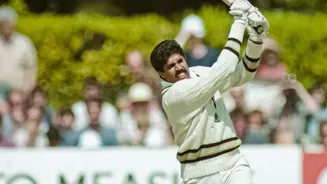
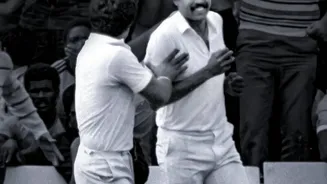
On June 25, 1983, the cricketing world was turned on its head. India, a team given little to no chance, faced the mighty, two-time defending champion West Indies in the World Cup final at Lord's. The West Indies team was filled with cricketing demigods,
and defeating them seemed impossible. Yet, Kapil Dev's team defended a modest total of 183 runs with ferocious spirit, winning by 43 runs in a stunning upset. This single victory was more than a trophy; it was a seismic event that instilled a profound sense of self-belief in the nation. It transformed cricket from a popular sport into a national obsession and laid the commercial foundation for India to become the game's financial center. The image of Kapil Dev lifting the cup became a symbol that India could not only compete but win.
2001: The Final Frontier Conquered
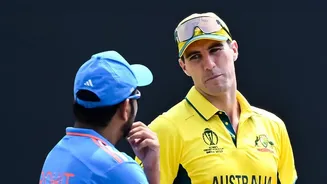
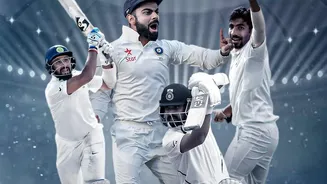
By the turn of the millennium, India was a formidable team, but one challenge remained: defeating Steve Waugh's all-conquering Australian side, widely regarded as one of the greatest teams in history. The 2001 Border-Gavaskar Trophy series became the stuff of legend. After a heavy defeat in the first Test, India was forced to follow-on in the second match at Eden Gardens in Kolkata. What followed was a miraculous turnaround. VVS Laxman (281) and Rahul Dravid (180) put on a historic 376-run partnership, batting through an entire day to set up an improbable victory. This win not only halted Australia's record-breaking streak of 16 consecutive Test wins but also redefined India's character. It was a moment of fierce defiance, proving that this new Indian team possessed immense resilience and would no longer be intimidated by any opponent, cementing their status as a powerhouse in the game's most challenging format.
2007: The Dawn of a T20 Dynasty
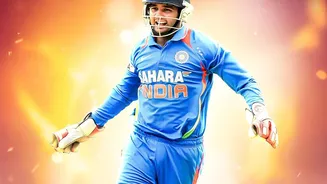
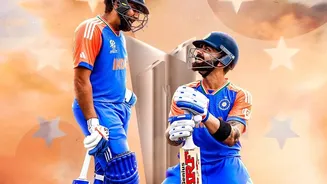
When the inaugural ICC T20 World Cup was announced in 2007, the shortest format was still an experiment. India sent a young team led by a new captain, MS Dhoni, with senior players like Sachin Tendulkar, Sourav Ganguly, and Rahul Dravid opting out. With no expectations, the team played with a fearless and aggressive brand of cricket that captivated the world. Their journey culminated in a high-stakes final against arch-rivals Pakistan, which India won in a nail-biting last over. This victory, coming after the disappointment of the 50-over World Cup earlier that year, was a catalyst for a revolution. It sparked a nationwide obsession with T20 cricket and directly led to the formation of the Indian Premier League (IPL) in 2008, a tournament that would permanently alter the sport's global financial and strategic landscape.
2011: Fulfilling a Billion Dreams at Home
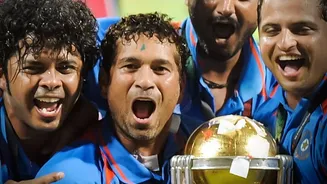
If 1983 was the birth of a dream, 2011 was its ultimate fulfillment. Co-hosting the ICC Cricket World Cup, India entered the tournament not as underdogs, but as clear favourites. The pressure on the team, especially on Sachin Tendulkar playing his final World Cup, was immense. The final against Sri Lanka at Mumbai's Wankhede Stadium was a tense affair. After losing early wickets while chasing 275, India's hopes rested on Gautam Gambhir's gritty 97 and a masterful unbeaten 91 from captain MS Dhoni. The winning moment, a thunderous six from Dhoni over long-on, is etched into the collective memory of a nation. This victory, India's first World Cup win on home soil, confirmed the team's evolution. They were no longer the plucky outsiders; they were the champions, the dominant force, and the undisputed kings of the cricketing world.