






For years, the beauty mantra was 'more is more'—more layers, more steps, more coverage. Now, a major shift is underway. People are ditching complex routines and heavy makeup to embrace what’s underneath: their own skin, in all its natural glory.
The Backlash Against the 'Instagram Face'
Just a
few years ago, social media feeds were dominated by the 'Instagram Face': a heavily contoured, perfectly baked, and flawlessly matte look. While impressive in its artistry, this high-glam ideal began to create fatigue. The pressure to present a poreless, filtered version of oneself led to a quiet rebellion. Consumers and creators started questioning the unrealistic and often time-consuming standards. Forecasts for 2026 show a decisive move away from heavy, transformative makeup and toward looks that are polished yet effortless. The trend is shifting from makeup that conceals to makeup that enhances and reveals, celebrating real skin texture instead of masking it.
Enter 'Skinimalism': The New Beauty Philosophy
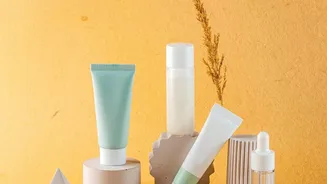
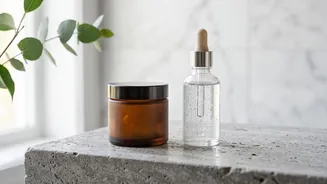
This movement has a name: 'skinimalism'. It's a blend of 'skin' and 'minimalism', and it champions a less-is-more approach. The philosophy is simple: use fewer, better products that are essential for your skin's health. Instead of a 10-step routine with countless serums and creams, skinimalism focuses on a core trio: a gentle cleanser, a targeted treatment or moisturiser, and sunscreen. This approach is not just about saving time and money; it's about protecting the skin's natural barrier. Dermatologists have increasingly warned that overloading the skin with too many active ingredients can lead to irritation, sensitivity, and breakouts.
Health, Wellness, and Transparency Drive the Change
The pivot to minimalism is deeply connected to the broader wellness movement. Consumers now view skincare as an extension of their overall health. This has fueled a massive demand for transparency from brands. Shoppers in India, for example, are increasingly scrutinising ingredient lists, driven by a preference for natural formulations and a desire for product safety. A staggering 81% of consumers rate ingredient transparency as extremely important. This educated consumer, or 'skintellectual', wants to know what's in their products and why, prioritising proven efficacy and ingredient quality over marketing hype. This shift is particularly relevant in India, where the clean beauty market is projected to grow significantly, aligning modern science with traditional Ayurvedic principles.
How the Beauty Industry Is Responding
Beauty brands are taking note. The industry is responding with hybrid products that offer multiple benefits in one, like tinted moisturisers with SPF or serums that combine several key actives. Marketing has also evolved. Campaigns are now more likely to feature models with visible pores, fine lines, and diverse skin tones, reflecting a move toward authenticity. The focus is on achieving healthy, luminous skin rather than an artificial ideal. Complexion products are becoming sheerer and more breathable, designed to create a soft_focus, dewy effect that looks like real skin, only better. This reflects a core desire from consumers: they want to look like an elevated version of themselves, not someone else entirely.
More Than a Trend, It's a Shift in Values
Ultimately, the move towards natural skin and minimal products is more than just a fleeting trend. It represents a deeper cultural shift towards self_acceptance and authenticity. It's about detaching self_worth from an unattainable standard of perfection and finding confidence in one's unique features. The goal is no longer to 'fix' perceived flaws but to nourish and care for the skin you have. This evolution marks a healthier, more sustainable relationship with beauty, where routines are personal, intentional, and designed to make you feel good, not just look a certain way.