



A New Defence Against an Old Enemy
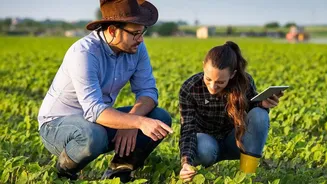
Across the fertile fields of Punjab and Maharashtra, a significant shift is underway. Farmers are moving beyond traditional guesswork and slow, expensive consultations to tackle one of their biggest challenges: the rapid onset of crop disease. The new
weapon in their arsenal isn't a new pesticide but accessible technology. They are deploying a range of low-cost solutions, from AI-powered smartphone applications to simple on-field sensors, to get ahead of infections before they spread. This wave of 'small AI' is designed for the real world of Indian farming—affordable, easy to use on a basic smartphone, and effective even in areas with limited connectivity. It’s a practical approach that puts the power of predictive data directly into the hands of the person who needs it most.
How AI Turns Data into Decisions
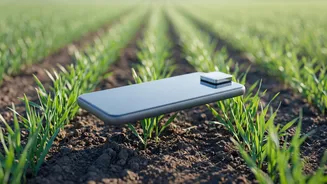
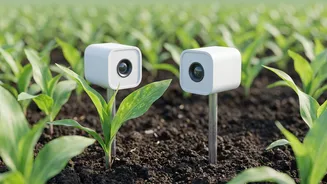
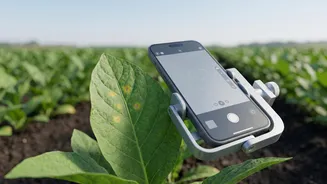
The technology works with remarkable simplicity. A farmer in Maharashtra noticing an unusual spot on a cotton plant can now take a photo with their phone. An AI-powered app instantly analyzes the image, comparing it to a massive database of thousands of plant disease samples. Within seconds, it can identify the specific ailment—be it leaf spot, mildew, or a viral infection—and suggest a targeted course of treatment. This diagnostic speed is critical, as a small infection can ruin an entire field in days. Beyond just reacting to visible symptoms, some systems use Internet of Things (IoT) sensors to proactively monitor the farm's environment. These devices collect real-time data on soil moisture, humidity, and temperature, feeding it to an AI model that can predict the risk of a disease outbreak days before it even happens, sending an alert to the farmer's phone.
Making Advanced Technology Affordable
For any innovation to succeed in Indian agriculture, it must be accessible. The high cost of advanced technology has historically been a major barrier for the country's millions of small and marginal farmers. This new generation of AI tools is different because affordability is a core part of its design. By leveraging the widespread availability of smartphones, many of these diagnostic services are delivered through simple apps, eliminating the need for expensive hardware. This democratizes access to expert-level analysis, reducing dependence on potentially costly and time-consuming visits from agricultural specialists. Platforms like MahaAgri.AI in Maharashtra are working to make these tools widely available, helping farmers protect their crops, minimize pesticide use, and ultimately improve their profitability. The focus is on providing solutions that offer a clear and immediate return on a minimal investment.
From the Lab to the Land
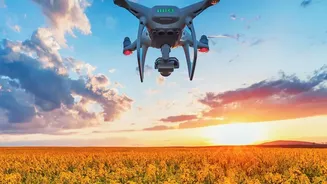
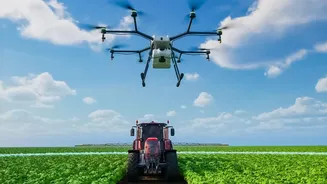
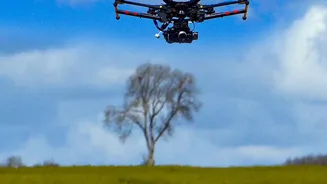
This isn't just a theoretical concept; it's being actively deployed. The Maharashtra government, for instance, has initiated a pilot project to bring AI, satellite technology, and drones to 10,000 farmers. The initiative targets key crops for the region, including cotton, soybean, onions, and sugarcane, providing farm-specific advice to boost productivity and manage challenges like water scarcity and pest attacks. In Punjab, known as India's granary, similar technologies are being used to enhance the quality and traceability of high-value crops like potatoes. Agritech firms are partnering with state bodies to monitor the entire crop lifecycle, from seed to harvest, ensuring healthier yields and better market access for farmers. These state-level adoptions signal a broader commitment to integrating technology into the fabric of Indian agriculture.