


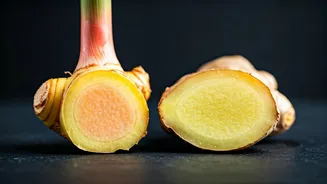



What is Galangal?
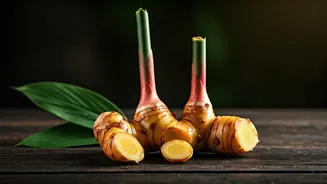
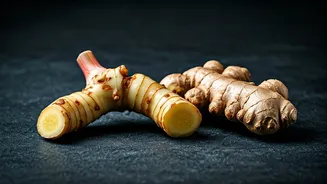
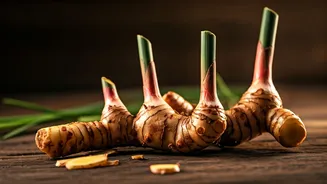
Galangal is a rhizome, or underground stem, belonging to the same family as ginger and turmeric. It's a cornerstone ingredient in Thai, Indonesian, and Malaysian cuisine, prized for its aromatic and flavourful qualities. There are several varieties, but
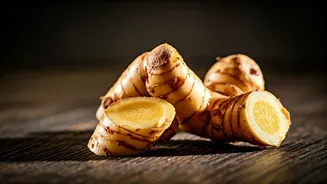
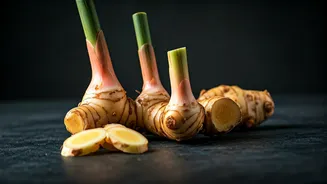
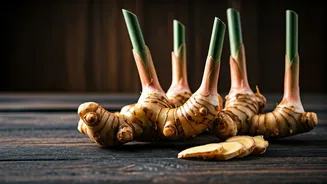
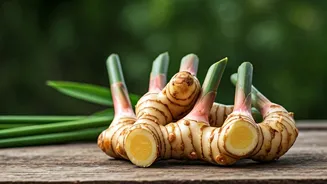
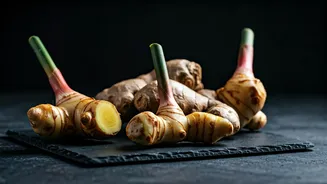
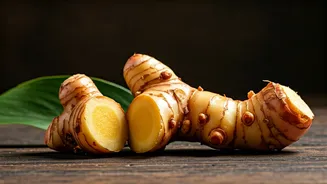
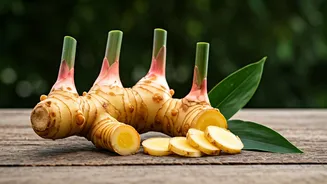
the most common is greater galangal, which has smooth, pale skin with pinkish-white shoots. The flesh is dense and woody, much harder than ginger. While it's sometimes called Siamese ginger, its taste is distinctively its own, offering a sharp, citrusy, and almost pine-like kick rather than the peppery heat of ginger.
Galangal vs. Ginger: Know the Difference
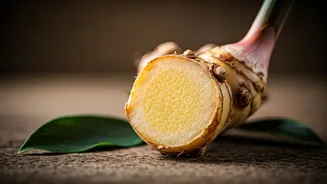
While they look similar, galangal and ginger are not interchangeable in recipes. The most significant difference lies in their taste. Ginger is spicy, pungent, and slightly sweet, whereas galangal has a sharper, more peppery and earthy flavour with distinct citrus notes. Visually, galangal's skin is smoother and lighter in colour, often with rings around it, compared to ginger's rougher, darker skin. The flesh of galangal is also much harder and more fibrous, meaning it needs to be sliced thinly or pounded into a paste rather than grated like ginger. Substituting one for the other will fundamentally change the character of a dish.
How to Use Galangal in Your Kitchen
Galangal is the soul of many iconic Southeast Asian dishes. It's a key ingredient in Thai soups like tom yum and tom kha gai, where it infuses the broth with its signature aroma. It is also pounded into curry pastes in Thai and Malaysian cooking, forming the flavour base for rich and complex curries like rendang. To use fresh galangal, you must peel its tough skin with a sharp knife or vegetable peeler. Because it's so dense, it's best to slice it thinly into coins for infusing soups and broths (remember to remove the woody pieces before serving) or to finely chop or pound it in a mortar and pestle for pastes. It pairs beautifully with lemongrass, chilli, garlic, and coconut milk.
Potential Health Perks
Beyond its culinary uses, galangal has a long history in traditional medicine, particularly in Ayurvedic and traditional Chinese practices. The root is a rich source of antioxidants, particularly polyphenols, which help protect cells from damage. Traditional uses include aiding digestion, reducing inflammation, and alleviating respiratory issues like coughs and colds. Some modern studies have explored its antimicrobial properties and its potential to fight inflammation. While it's a nutritious addition to any diet, these potential benefits should be seen as a bonus to its incredible flavour.
Finding and Storing This Spice
Fresh galangal can be found in most Asian markets and some larger, well-stocked supermarkets. When buying, look for firm, plump rhizomes without any soft spots. A fresh piece should release a strong, pleasant fragrance when pressed with a thumbnail. To store fresh galangal, you can refrigerate it in a paper bag for up to two weeks. For longer storage, it freezes exceptionally well. Simply slice it into coins or chop it and freeze it in an airtight container; you can use it directly from the freezer, and it will retain much of its potent flavour. Dried slices and ground powder are also available, though their flavour is different and less vibrant than fresh galangal.