


The Allure and the Unseen Risk
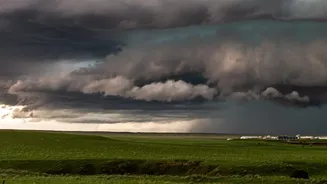
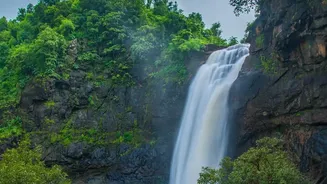
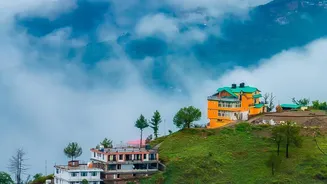
Monsoon transforms India. Hills and forests erupt in vibrant greens, waterfalls cascade with full force, and popular destinations become quiet, serene getaways. It’s a season that invites road trips and exploration. However, the same rains that create
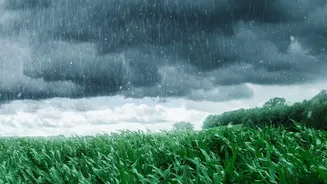
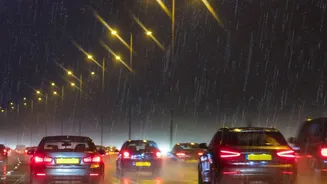
this beauty also bring significant risks. Roads can become slick and treacherous, heavy downpours can reduce visibility to near zero, and in hilly regions, the danger of landslides and flash floods becomes a serious reality. A scenic route can become a hazard zone in a matter of hours, making proactive planning not just a good idea, but an essential part of your travel safety.
Your First Stop: National Weather Agencies
Before you even pack your bags, your planning should begin with official sources. The India Meteorological Department (IMD) is the primary agency for weather forecasting in the country. Its website and social media channels provide regular updates, forecasts, and crucial warnings for every region. Another key resource is the National Disaster Management Authority (NDMA), which issues advisories and coordinates safety measures during severe weather events. The NDMA's 'SACHET' alert portal is designed to provide pan-India warnings to the public. These national-level alerts give you the big picture, helping you understand the overall weather patterns affecting your intended travel area.
Decoding the IMD’s Colour-Coded Alerts
The IMD uses a simple colour-coded system to communicate the severity of expected weather, which is vital for any traveller to understand. Green (No Warning): This means all is well and no adverse weather is expected. You can proceed with your plans as normal. Yellow (Be Aware): A yellow alert indicates the possibility of bad weather. It serves as a heads-up to stay updated, as conditions might worsen and cause minor disruptions, like traffic slowdowns. Orange (Be Prepared): This is a serious warning for extremely bad weather. An orange alert suggests a high likelihood of disruptions to transport and power, and potential risks from flooding or landslides. You should be prepared to alter your travel plans significantly. Red (Take Action): The highest level of alert, a red warning indicates a significant threat to life and property from severe weather. All non-essential travel should be cancelled or postponed, and you must follow the instructions of local authorities.
The Local Lifeline: Destination-Specific Updates
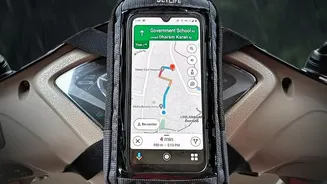
While national alerts are crucial, the most critical information is often local. Heavy rain in one valley doesn't mean the next one is impassable. This is where destination-specific alerts become your most important tool. Most states have their own State Disaster Management Authority (SDMA) that provides localised warnings. Furthermore, the social media feeds (especially X, formerly Twitter) of district and city traffic police are invaluable for real-time updates on road closures, waterlogging, and diversions. Before and during your trip, make it a habit to check these local sources for the specific areas you plan to visit. A quick search for the local police or SDMA of your destination district can save you from getting stranded.
From Alert to Action: Making the Right Call
Understanding an alert is only half the battle; the other half is knowing how to react. If a 'Yellow' alert is issued for your destination, you don't necessarily need to cancel, but you should have a flexible itinerary. Keep extra buffer days, avoid driving at night, and identify alternative routes. If an 'Orange' alert is issued, especially for a hilly area, you must reconsider your plans. This is the time to check with your hotel about local conditions and seriously consider delaying your trip. Driving through an area under an orange alert can be dangerous. A 'Red' alert is an unambiguous signal to stop. Do not attempt to travel to or through an area under a red alert. The risk of getting caught in floods, landslides, or major road blockages is extremely high.
Practical Steps for a Safer Monsoon Journey
Beyond monitoring alerts, a few practical steps can significantly improve your safety. Ensure your vehicle is monsoon-ready, with good tyres, working wipers, and effective brakes. Pack an emergency kit with a first-aid box, a powerful torch, a power bank, dry snacks, and extra drinking water. Always share your itinerary and contact details with someone back home. In mountainous regions or near rivers, be extra cautious. Water levels can rise unexpectedly, and slopes become unstable after heavy rain. If a road looks flooded, do not attempt to cross it; the water can hide deep potholes or be much stronger than it appears.