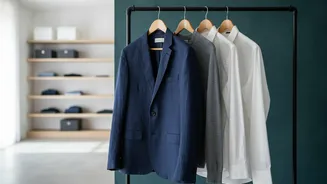






From Chaos to Clarity
A wardrobe audit is more than just a seasonal clear-out; it's an intentional review of every single item you own. The goal is to gain a clear picture of your clothing, identify your shopping habits, and ultimately build a wardrobe that serves you. It’s
the process of transforming a closet that feels full of nothing-to-wear into a curated collection that reflects your true style and needs. Many people feel frustrated by having a closet bursting with clothes, yet still feeling uninspired each morning. An audit helps diagnose why that is, revealing patterns of impulse buys or items that simply don't suit your current lifestyle.
Step 1: The Great Unloading
To begin, you must confront the reality of what you own. This means taking every single piece of clothing out of your wardrobe, drawers, and any other storage spots. Lay everything out where you can see it, perhaps on your bed or floor. The visual impact of seeing the sheer volume of your possessions can be startling, but it's a crucial first step. This physical act prevents you from skipping over items and forces a conscious decision about each one. It provides a clean slate and the necessary perspective to assess what you truly have. Before you start, set aside a few hours where you won't be interrupted and get some bags ready for sorting.
Step 2: The Four-Pile System
Now, it's time to sort. Create four distinct piles: Keep, Repair, Donate/Sell, and Unsure. For each item, ask yourself critical questions: Does this fit me right now? Is it in good condition? Does it align with my current style and lifestyle? Have I worn it in the last year? Be honest. The 'Keep' pile is for items you love and wear regularly. 'Repair' is for beloved items that need minor fixes, like a missing button. 'Donate/Sell' is for good-condition items that no longer serve you. The 'Unsure' pile is for sentimental or tricky items; set it aside and revisit it at the end with a firm deadline to decide.
Step 3: Finding Your Personal Style
This is where the magic happens. Look closely at your 'Keep' pile. What patterns emerge? You'll start to see your true personal style, not the one advertised to you. Notice the dominant colours, fabrics, and silhouettes. Are you drawn to structured blazers or soft knits? Do you own mostly neutral tones or bold prints? This analysis is the most powerful tool for curbing future impulse buys. When you understand what genuinely works for you and makes you feel good, the allure of a fleeting micro-trend significantly fades. You're no longer a passive consumer of trends; you're an active curator of your own style.
Step 4: Creating a Strategic Shopping List
After analyzing your 'Keep' pile and reorganizing your closet, you can identify the real gaps in your wardrobe. Perhaps you have plenty of tops but lack versatile trousers, or you own several special occasion dresses but no quality everyday jacket. Create a specific, short shopping list based on these needs. Instead of vaguely browsing online stores for 'new clothes', you will now be searching for a 'white linen shirt' or 'classic black loafers'. This targeted approach transforms shopping from a reactive, emotionally-driven activity into a proactive, intentional one. It saves you money and ensures every new purchase adds real value to your wardrobe.