
First, Understand Your Light
Before you buy a single pot, become an observer of your own space. The success of your indoor garden depends entirely on matching a plant's needs to the light you have. Light is often categorised as low, medium, and bright. Bright, direct light is several
hours of unfiltered sun, often from a south-facing window. Bright, indirect light is still luminous but diffused, like the light near an east-facing window or filtered through a sheer curtain. Medium light is further from a window, and low light is what you'd find in a dim corner, hallway, or a room with a north-facing window. A simple way to test is the shadow test: a sharp, distinct shadow indicates bright light, while a soft, blurry shadow suggests medium light. If there's barely a shadow, that's low light.
The Bright Living Room
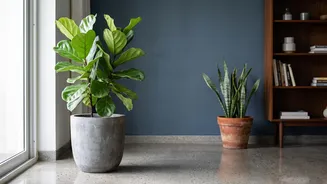
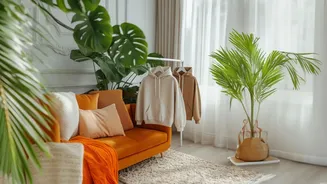
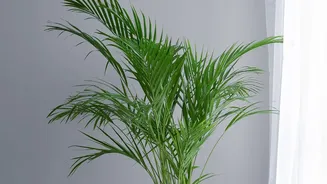
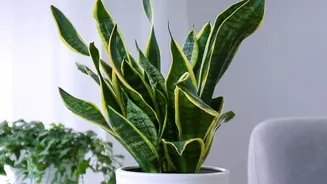
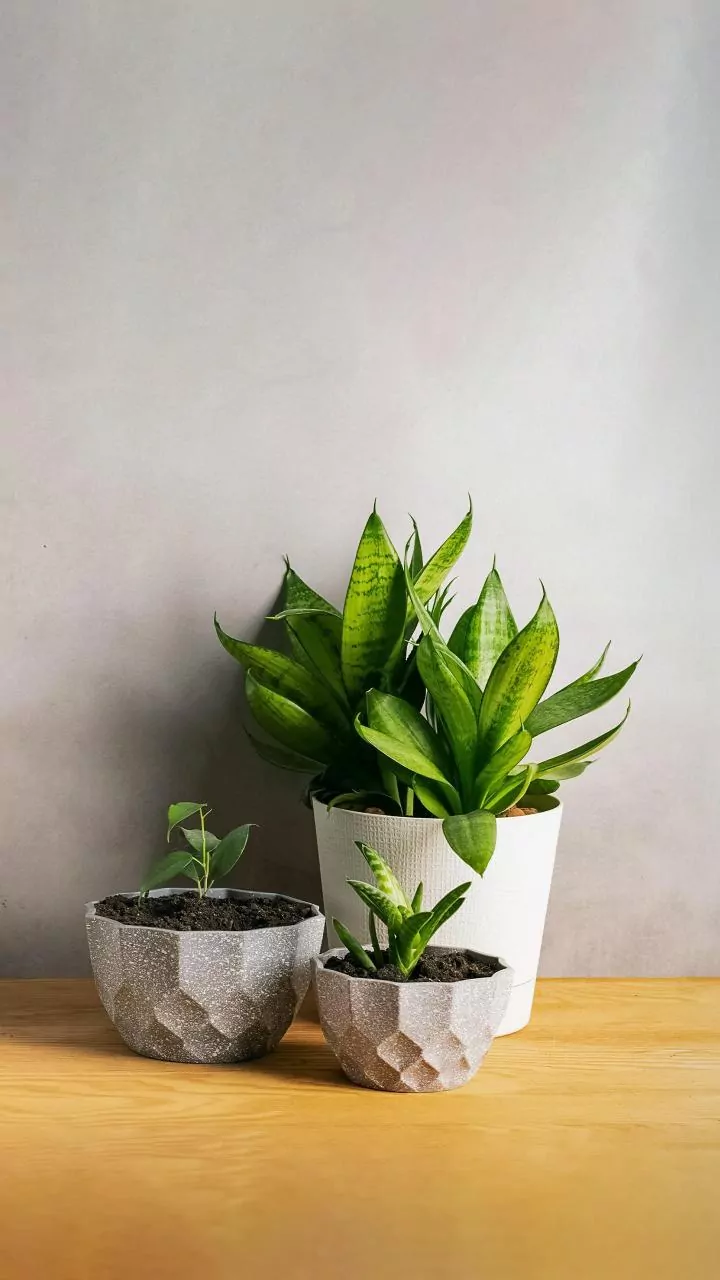
Living rooms are often the brightest area in an apartment, making them ideal for plants that need more light to thrive. For a spot with bright, indirect light, consider succulents or a Jade Plant, which are famously low-maintenance and love sunny conditions. If you have the space and want to make a statement, a Ficus or a small palm can add texture and height. A Snake Plant is another excellent choice; while it can tolerate low light, it also does well in brighter spots and is known for being incredibly resilient, making it perfect for beginners. Its vertical growth pattern is also ideal for small spaces, as it grows up rather than out.
The Low-Light Bedroom Oasis
Bedrooms, which often have drawn curtains or less direct sun, can still host a variety of beautiful plants. Low-light tolerant plants are perfect for creating a calming, green sanctuary. The ZZ Plant, with its glossy, dark leaves, is a top contender because it is virtually indestructible and thrives on neglect. Another classic is the Pothos, or Money Plant, which is a staple in many Indian homes. Its trailing vines look beautiful cascading from a shelf or hanging basket and it is highly adaptable to lower light levels. The Peace Lily is one of the few plants that can produce its elegant white flowers in low-light conditions, adding a touch of grace to your room.
The High-Humidity Bathroom
The bathroom is a unique microclimate in your home, offering high humidity and often lower light. This environment is a dream for certain tropical plants. Ferns, such as the Boston Fern, absolutely love the moisture and will reward you with lush, green fronds. Other great options include the Monstera, whose leaves may even develop their iconic splits more readily in a humid space. Pothos is another versatile choice that is happy in the bathroom's humidity and can handle its fluctuating light conditions. Many of these plants will appreciate the steam from your daily showers, which mimics their native tropical habitats.
The Hardy Kitchen Companion
The kitchen can be a challenging environment for plants due to temperature fluctuations and varying light. The key is to choose hardy and practical species. A windowsill with enough light is the perfect spot for a small herb garden, with essentials like basil, mint, or coriander. For other areas of the kitchen, stick with resilient plants that can tolerate some neglect. A Spider Plant is a great choice, as it's adaptable and produces charming little 'spiderettes' that can be propagated. The tough-as-nails Cast Iron Plant is another fantastic option, living up to its name by surviving in conditions where other plants might fail.
Tips for Small-Space Success
When you're working with a small apartment, maximising space is key. Think vertically by using hanging planters, wall-mounted pots, and tall, slender shelves. This draws the eye upward and adds greenery without cluttering your floor space. When choosing pots, ensure they have drainage holes to prevent root rot, which is a common killer of houseplants. It's also better to choose a pot that gives the plant's roots a little room to grow. Finally, don't feel pressured to create a jungle overnight. Start with one or two easy-care plants and learn their needs. Success with one plant will give you the confidence to slowly and thoughtfully expand your indoor garden.