





The Unwelcome Blanket
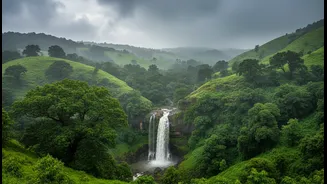
The villain of this story arrives on schedule every year: the monsoon. While essential for life and agriculture, the season is the bane of astronomers. From June through September, vast swathes of the country are covered in thick clouds, blocking out
the sun, moon, and stars. For anyone hoping to catch a glimpse of celestial events, the constant cloud cover is a frustrating and seemingly impenetrable barrier. The very system that brings relief from the summer heat also closes the window to the universe, turning the night sky into a featureless, light-polluted grey for weeks on end.
The Galaxy’s Prime Time
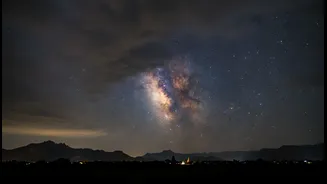
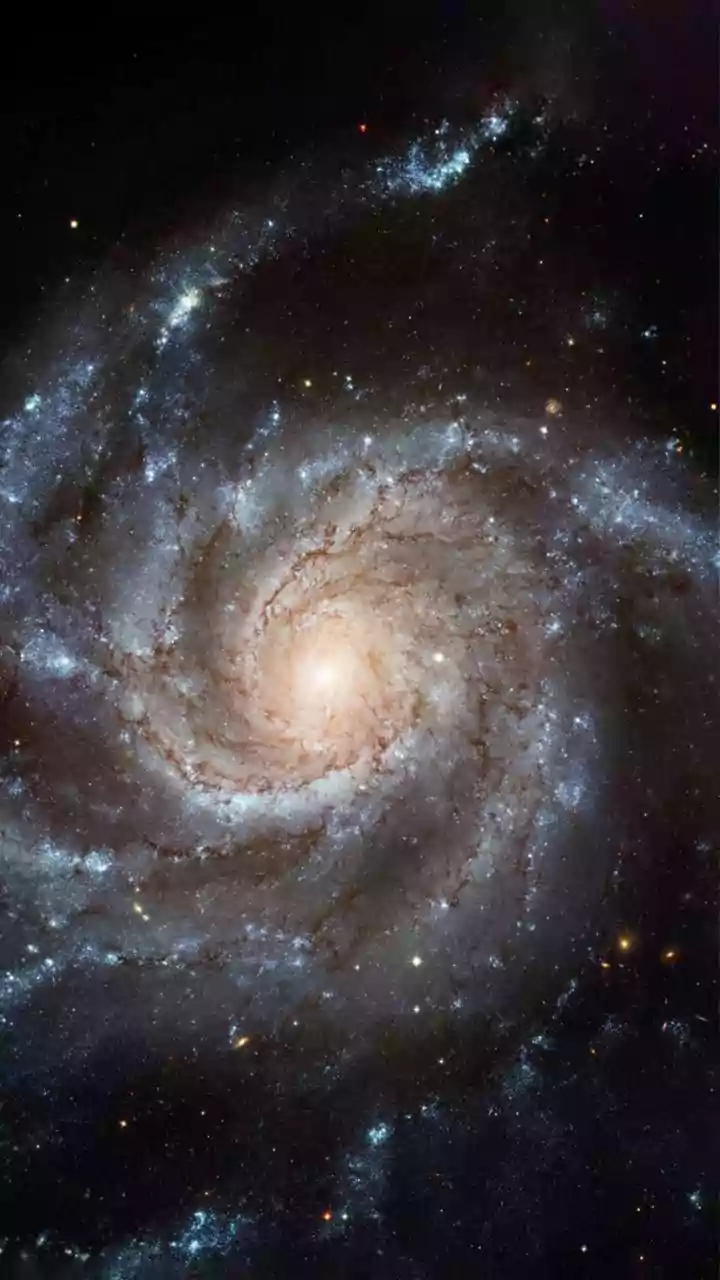
Herein lies the tragic irony. Astronomically, the summer months are the absolute best time to view the heart of our own galaxy, the Milky Way. During June and July, the Earth’s night side is pointed directly towards the galactic core, the densest and most brilliant part of the Milky Way. This 'dark window' offers a chance to see a thick, glowing band of billions of stars arching across the sky. The opportunity is made even better during the new moon, when the sky is at its darkest without any lunar glare. The new moon in July 2026, for example, falls around July 14th, creating a perfect period of darkness to see our galaxy's magnificent centre. This is the view that the monsoon clouds so cruelly hide.
A Silver Lining in the Downpour
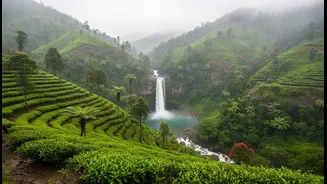
But this is where the story gets interesting, and where the clouds’ villainy finds a subtle twist. The monsoon doesn't just bring clouds; it brings rain. And that rain performs a critical function for stargazers. The pre-monsoon months of April and May are characterized by intense heat, dust, and haze, which fill the atmosphere and make even clear skies appear murky. The monsoon rains, through a process called 'scavenging' or 'washout,' act as a natural cleanser. Each downpour literally washes the dust and pollutants from the atmosphere, leaving the air incredibly fresh and transparent. So while the clouds are the problem, the rain is an unlikely part of the solution.
A Celestial Game of Hide-and-Seek
This creates a celestial game of hide-and-seek for India’s dedicated astronomers and hobbyists. They know the prize is up there, and they know the air is cleaner than at any other time of year. The challenge is waiting for a break in the clouds. Sometimes, for just a few precious hours between downpours, the sky opens up. In these fleeting moments, the view is breathtaking. The freshly scrubbed atmosphere offers a clarity that is impossible during the dusty summer, revealing the Milky Way's core in stunning detail. Locations like Malshej Ghat in Maharashtra or parts of the Western Ghats in Coorg are famous for these magical, post-rain windows. Of course, for guaranteed clear skies during the monsoon, one must travel to rain-shadow regions like Spiti Valley or Ladakh, which offer some of the best stargazing conditions in the world during July and August.