





Why Monsoon Means More Ticks
The Indian monsoon, with its high humidity and warm temperatures, creates the ideal environment for ticks to thrive and multiply. [14, 20] These parasites flourish in damp, grassy areas, puddles, and mud, which become more common during the rains. [16,
22] As your dog joyfully plays in parks or walks through wet streets, they are more likely to pick up these pests. [14] Ticks climb to the tips of grasses and shrubs, waiting to latch onto a passing host. [22] This heightened activity during the monsoon significantly increases your pet's risk of infestation and exposure to dangerous diseases. [12, 19]
The Hidden Dangers: Tick-Borne Diseases
A tick bite is more than just an itchy nuisance; it can transmit serious and potentially fatal diseases. In India, common tick-borne illnesses in dogs include Ehrlichiosis and Babesiosis, often grouped under the term 'tick fever'. [12, 15] These diseases are transmitted when an infected tick feeds on your pet's blood. Ehrlichiosis attacks the white blood cells, while Babesiosis targets the red blood cells, causing severe anaemia. [12] Symptoms can be vague and may not appear for weeks, making diagnosis tricky. [4, 5] Watch for fever, lethargy, loss of appetite, pale gums, swollen lymph nodes, or unusual bleeding or bruising. [2, 5, 8] In severe cases, these diseases can lead to organ damage or even death, which is why early detection is critical. [3, 11]
A Guide to Thorough Tick Checks
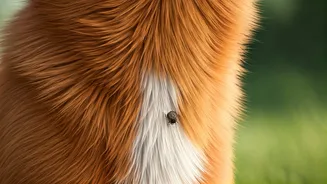
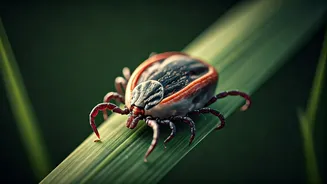
Making tick checks a daily routine is the most effective way to catch ticks early, ideally before they can transmit disease (which can happen within 24-48 hours). [8] Run your fingers through your pet's entire body, feeling for any small bumps on the skin. [6, 8] Pay special attention to warm, hidden areas where ticks love to hide: in and around the ears, under the collar, between the toes, in their 'armpits', and around the tail and eyelids. [7, 10, 15] Ticks can be as small as a pinhead, so be meticulous. [9] If you feel a bump, part the fur to get a good look. An unfed tick is small and dark, while an engorged one can be grey and resemble a small bean. [22]
How to Safely Remove a Tick
If you find a tick, it's crucial to remove it correctly to prevent infection. Do not use your bare hands, and avoid folk remedies like burning the tick or applying petroleum jelly, which can be ineffective and harmful. [13] Use a pair of fine-tipped tweezers or a specialised tick removal tool. [13] Grasp the tick as close to your pet's skin as possible without squeezing its body. Pull upward with steady, even pressure. [8] Avoid twisting or jerking, as this can cause the tick's mouthparts to break off and remain in the skin, leading to infection. [6, 8] After removal, clean the bite area with a pet-safe antiseptic and wash your hands thoroughly. It's a good idea to save the tick in a sealed container with rubbing alcohol in case your pet becomes ill, as your vet may want to identify it. [6]
Beyond Checks: Proactive Prevention
While daily checks are vital, a multi-pronged approach offers the best protection. Talk to your veterinarian about the best tick-preventative products for your pet, such as spot-on treatments, medicated collars, or oral chewable tablets. [14, 26] Keep your home environment clean by regularly washing your pet's bedding in hot water and vacuuming carpets and furniture where ticks can hide. [22] During walks, try to avoid heavily wooded areas and tall grass where ticks are most prevalent. [16] Keeping your pet's fur trimmed and ensuring they are thoroughly dry after any exposure to rain can also help make them a less attractive host for ticks and other parasites. [16]