








A Shift in the Travel Calendar
For decades, the rhythm of Indian international travel was predictable: a massive rush during the summer school holidays and another during the festive year-end period. But that pattern is evolving. Travel industry reports now highlight a significant
trend where travellers are showing greater flexibility. This has turned the so-called 'shoulder season' of September and October into a prime time for vacations, creating an additional travel peak rather than replacing the traditional ones. This shift points towards a longer, more balanced travel season, allowing more opportunities for Indians to see the world.
The Allure of the 'Shoulder Season'
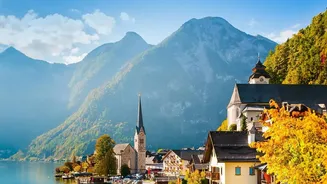
So, what makes this two-month window so attractive? The benefits are threefold: better weather, fewer crowds, and greater value. In many popular destinations, especially in Europe, the scorching summer heat gives way to pleasant autumn climes. Meanwhile, in Southeast Asia, the monsoon rains recede, offering fresh, green landscapes. This period also sits neatly between the summer and Christmas tourist rushes, which often means shorter queues at major attractions and a more relaxed atmosphere. This allows for a more immersive and less stressful holiday experience.
Festivals and Favourable Timing
The domestic calendar in India also plays a crucial role in this trend. The September-October period is packed with festivals and public holidays like Ganesh Chaturthi, Navratri, Dussehra, and Gandhi Jayanti. This creates several opportunities for long weekends, making it easier for travellers to plan short breaks or extend trips without taking extensive leave. According to travel experts, this cluster of holidays provides a natural impetus for planning both family and experiential holidays before the major Diwali and Christmas travel seasons begin.
Global Hotspots Beckon
Indian travellers are exploring a diverse range of destinations during these months. For those seeking pleasant weather and autumnal colours, parts of Europe like Italy and Switzerland are popular choices. Closer to home, destinations across Asia offer favourable conditions and are a major draw. Countries such as Japan, Vietnam, Thailand, Indonesia, Singapore, and South Korea are frequently cited as hotspots. Easier visa processes for many of these nations further encourage spontaneous getaways and short breaks, making international travel more accessible than ever.
Smarter Travel, Better Value
The financial benefits are a significant driver of this trend. With demand being lower than the absolute peak season, flights and accommodation can be more competitively priced. This allows travellers to stretch their budgets further, perhaps opting for better hotels, unique experiences, or simply saving money. Travel companies note that this increased flexibility among Indian consumers points to a maturing travel market, where decisions are based not just on traditional holiday schedules but on a savvy combination of value, comfort, and experience.